




Pull to refresh
Logo
UK and France scrap 'one in, one out' migrant return scheme

UK and France scrap 'one in, one out' migrant return scheme

Rule Changes

Pilot sent about 1,500 small-boat arrivals back to France; Paris wants an EU-wide deal instead

2 days ago: One-in-one-out pilot formally ends

Overview

Updated 1 hour ago

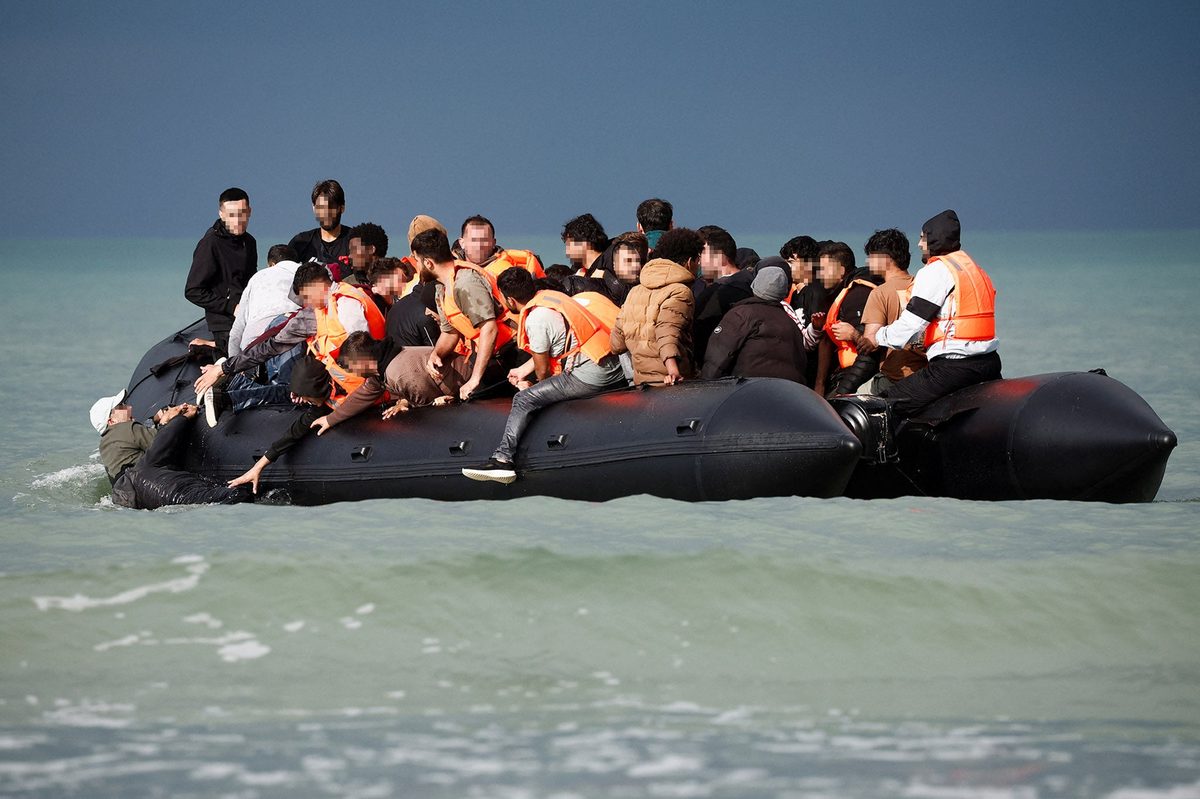
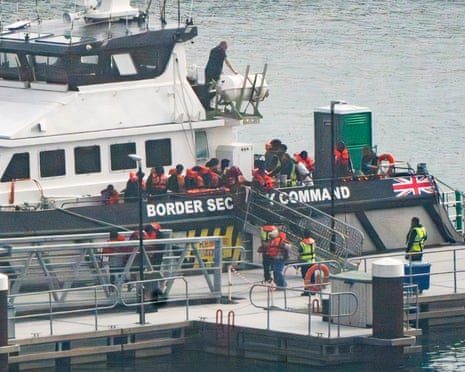
The UK and France ended their 'one in, one out' migrant exchange on October 1, 2026, after 423 days. The pilot returned roughly 1,500 small-boat arrivals to France and transferred a similar number of asylum seekers to Britain.

France declined to extend it, saying the burden should be shared across the EU rather than carried by Paris alone. That leaves Britain without a formal returns mechanism, even as Channel crossings have fallen to a five-year low, down 42% from last year.

Why it matters

Without a returns mechanism, the UK loses its main legal tool for deterring Channel crossings, leaving patrols and surveillance as its only brake on arrivals.

Questions about this story

Free account needed to ask — your question is kept and asked for you right after sign-up. Answers are public.

No questions yet — be the first to ask.

Key Indicators

19,135
Channel crossings in 2026
Down 42% from the same period in 2025 and the lowest in five years.
~1,500
People returned to France under the pilot
A similar number were transferred from France to the UK legally.
£56K
Estimated cost per migrant returned
About £84 million total across the pilot, per The Telegraph.
423 days
Duration of the pilot
Ran from July 10, 2025, to October 1, 2026.

Voices

Curated perspectives — historical figures and your fellow readers.

Ever wondered what historical figures would say about today's headlines?

Sign up to generate historical perspectives on this story.

People Involved

Organizations Involved

Timeline

July 2025 October 2026

4 events Latest: 2 days ago
Tap a bar to jump to that date
  1. One-in-one-out pilot formally ends

    Latest Policy Change

    The agreement expires after 423 days; France says it wants the mechanism folded into an EU-UK agreement.

  2. Home Office announces scheme scrapped

    Statement

    France declined to extend the pilot; the Home Office says it is no longer processing new cases, with flights continuing for detained migrants.

  3. Pilot agreement signed

    The pilot set a target of 2,600 exchanges over a three-year term, with a clause allowing either side to end it early.

  4. UK and France announce one-in-one-out pilot

    Agreement

    Deal announced: UK returns small-boat arrivals to France, which sends a similar number of legal asylum seekers to Britain.

Scenarios

1

EU and UK sign a joint returns framework

Possible Resolves by Jan 31, 2028

Discussed by: French Interior Ministry, which proposed an EU-wide agreement in place of the bilateral pilot

France's interior ministry says the pilot's value is clear but Paris should not bear the burden alone. If post-Brexit negotiations between the EU and UK produce a returns chapter, the one-in-one-out mechanism could be revived at larger scale, covering all member states instead of just France. The UK would likely accept such a deal because it gains a returns channel it currently lacks.

2

Crossings stay near five-year low without the deal

Possible Resolves by Jan 31, 2028

Discussed by: UK Home Office, which reports crossings 'significantly down on last year'

Increased police patrols and enhanced surveillance in northern France have already cut crossings sharply this year. If those measures stay in place, arrivals could remain near current lows even without a formal returns mechanism. The Home Office frames the drop as evidence its wider strategy is working.

3

Crossings rebound without the returns deterrent

Possible Resolves by Jan 31, 2028

Discussed by: Home Office, which says it will use 'lessons learned' from the pilot to accelerate returns

If the possibility of being sent back to France deterred some crossings, removing it could push numbers back up. Smugglers and migrants may factor in a lower risk of removal if no replacement mechanism is found. The Home Office's stated focus on accelerating other returns routes suggests it sees the pilot as one part of a wider enforcement toolkit.

Historical Context

3 moments from history that rhyme with this story — and how they unfolded.

April 2022 - July 2024

Rwanda asylum plan (2022-2024)

The UK government under Boris Johnson announced a plan to send small-boat arrivals to Rwanda. Parliament passed legislation in 2024 to make the plan work, after the Supreme Court ruled the policy unlawful in November 2023. No one was ever deported to Rwanda under it.

Then

Labour scrapped the plan on taking office in July 2024, after years of legal battles and payments to Rwanda.

Now

It left a precedent that returns-based deterrence is politically popular but legally and operationally difficult to deliver.

Why this matters now

Both the Rwanda plan and the one-in-one-out pilot tried to deter Channel crossings through removals; both ended with few actual transfers and no lasting deterrent.

2013-2021

Dublin Regulation (2013-2021)

The EU's Dublin Regulation required asylum seekers to claim refugee status in the first member state they entered, letting other states return them. The UK was part of this system until the Brexit transition ended in December 2020.

Then

After Brexit, the UK lost the Dublin returns mechanism it had relied on to send asylum seekers to other EU states.

Now

The gap forced the UK to negotiate bespoke bilateral deals like the one-in-one-out pilot; France now wants a new EU-level framework to fill it.

Why this matters now

France's reason for ending the pilot, wanting an EU-wide agreement, directly targets the mechanism that Dublin once provided.

October 2016

Calais 'Jungle' camp clearance (October 2016)

French police cleared the sprawling informal camp known as the Jungle near Calais, where thousands of migrants had gathered hoping to reach the UK. Around 7,000 people were moved to reception centers across France.

Then

The camp's demolition dispersed migrants across France, but the pressure to cross the Channel remained.

Now

It showed that clearing physical encampments does not remove the demand to reach the UK, a lesson that also applies to the returns pilot.

Why this matters now

The Channel route has been a persistent source of UK-France tension for a decade, and this deal is the latest attempt to manage it.

Sources

(6)