

Pull to refresh
Logo
Israel denies more U.S. travelers entry over Palestinian ties and views

Israel denies more U.S. travelers entry over Palestinian ties and views

Rule Changes

Entry bans rose sharply after October 2023, testing the visa waiver reciprocity deal

2 days ago: NPR documents surge in entry denials

Overview

Updated 1 hour ago

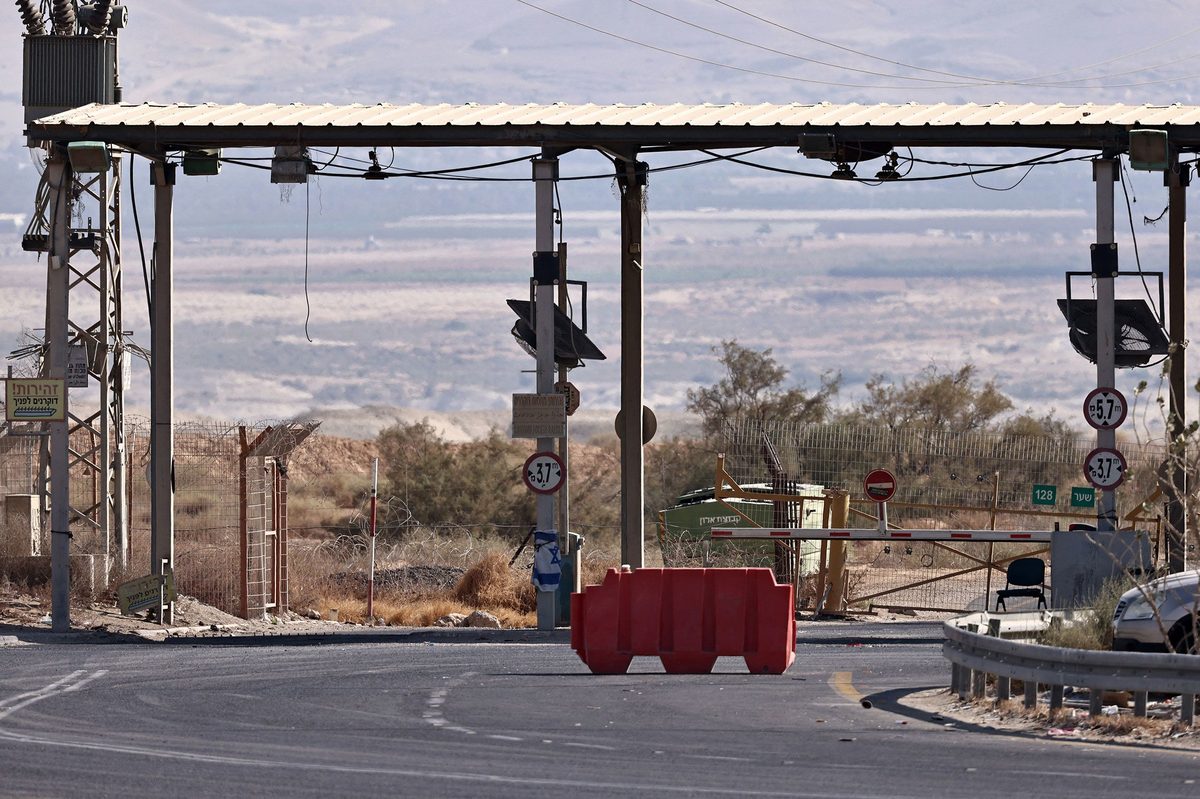
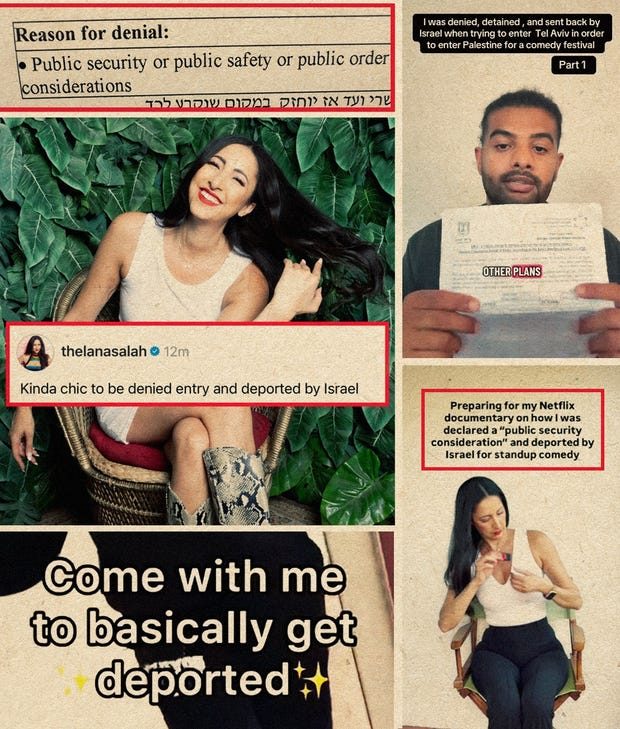
Five of six American comedians flew to Israel in August for a Palestinian comedy festival and were sent home after overnight interrogations about their views on October 7. A week earlier, Israel denied entry to all 13 members of a U.S. multifaith delegation crossing from Jordan, barring them from returning for up to a decade.

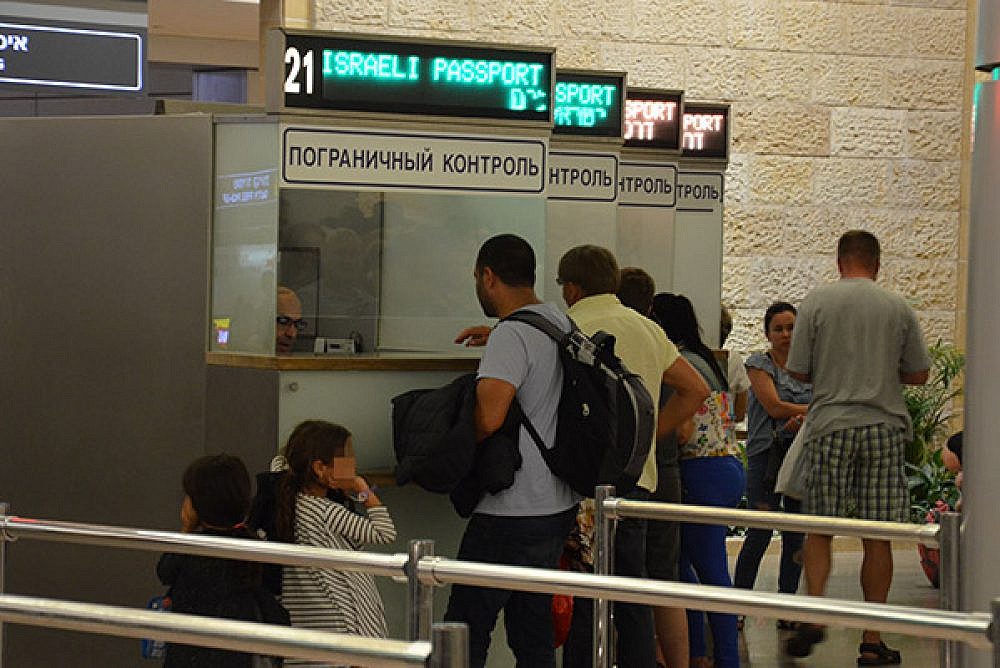
Israeli lawyers who represent denied travelers say the pace has accelerated since Hamas attacked on October 7, 2023. Visitors are barred for having Palestinian activist contacts in their phones, joining West Bank tours, or expressing views critical of Israel. Israel's electronic travel authorization (ETA-IL) system has generated more than 21,000 denials since 2025, though the Interior Ministry denies a systematic pattern.

Why it matters

U.S. citizens with valid travel authorizations are barred for speech and associations—testing the reciprocity deal behind Israel's visa-free U.S. access.

Questions about this story

Free account needed to ask — your question is kept and asked for you right after sign-up. Answers are public.

No questions yet — be the first to ask.

Key Indicators

21,000+
ETA-IL denials since 2025
Electronic Travel Authorization requests denied by Israel since the system became mandatory.
18
Travelers denied entry in August 2026
Five comedians and 13 members of a multifaith delegation barred in a single month.
32
Eyewitness Palestine members banned
Americans barred from entering Israel ahead of a planned February 2026 delegation.
up to 10 years
Maximum entry ban length
Lawyers say bans typically last 5 to 10 years, though some are overturned in court.

Voices

Curated perspectives — historical figures and your fellow readers.

Ever wondered what historical figures would say about today's headlines?

Sign up to generate historical perspectives on this story.

Play

Exploring all sides of a story is often best achieved with Play.

Most of these play right now — no account needed. Sign up to save scores, keep a streak, and unlock Debate and Predict. Log in Sign Up
Predict 3 ways this could play out. Back the one you believe — contrarian picks score more when a scenario has a resolution date. Log in to play

People Involved

Organizations Involved

Timeline

July 2023 September 2026

11 events Latest: 2 days ago Showing 8 of 11
Tap a bar to jump to that date
  1. NPR documents surge in entry denials

    Latest Report

    NPR reports U.S. and other travelers denied entry over Palestinian ties, West Bank plans, and opinions of Israel.

  2. ETA-IL becomes mandatory

    Policy

    Electronic travel authorization is required for travelers from visa-exempt countries, including the U.S.

  3. Israel passes law banning Oct 7 deniers and boycott supporters

    Legislation

    New law bars entry to anyone denying October 7 attacks, calling for Israeli soldiers' prosecution, or advocating boycotts.

  4. Israel launches ETA-IL pilot

    Policy

    Israel introduces its electronic travel authorization system, modeled on the U.S. ESTA program.

  5. Hamas attacks southern Israel

    Conflict

    Hamas-led attacks kill civilians in southern Israel; entry denial patterns begin to harden afterward.

  6. Israel joins U.S. visa waiver program

    Policy

    Israel pledges equal treatment of all U.S. travelers in exchange for visa-free entry to American citizens.

Historical Context

2 moments from history that rhyme with this story — and how they unfolded.

1952-1990

U.S. ideological exclusion (1952-1990)

The McCarran-Walter Act let the U.S. deny visas to foreigners based on political beliefs, including communism. In Kleindienst v. Mandel (1972), the Supreme Court allowed the government to deny a Belgian academic's visa for ideological reasons, deferring to executive authority over admissions.

Then

Foreign writers, artists, and activists were barred from the U.S. through the 1980s for political views.

Now

Congress repealed the ideological exclusion grounds in the 1990 Immigration Act, making belief-based visa denial unlawful in the U.S.

Why this matters now

Shows that entry screening based on political belief was standard U.S. policy for decades and was later dismantled by statute.

January 2017

2017 U.S. travel ban (Executive Order 13769)

The Trump administration barred entry from seven Muslim-majority countries, citing security threats. Courts split on its legality; the Supreme Court in Trump v. Hawaii (2018) upheld a revised version, deferring to presidential authority.

Then

Travel from affected countries fell sharply; prolonged litigation followed.

Now

Set a judicial precedent of deference to executives on entry policy, while drawing sustained criticism.

Why this matters now

A recent U.S. parallel to entry restrictions justified by security that still drew legal and political challenges.

Sources

(7)