

Pull to refresh
Logo
Jury finds Facebook liable for deceiving users about data privacy

Jury finds Facebook liable for deceiving users about data privacy

Rule Changes

New Mexico case over Cambridge Analytica scandal could cost Meta billions

Yesterday: Jury finds Facebook liable for deceiving users

Overview

Updated 1 hour ago

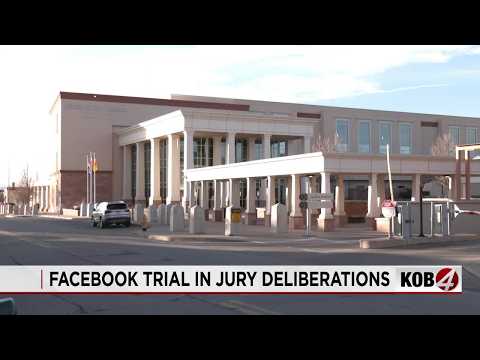
A New Mexico jury found Facebook liable Friday for deceiving users about how their data was handled, in a case tracing back to the Cambridge Analytica scandal. Jurors identified more than 43 million violations of state consumer protection law and found 26 of 29 statements by company executives misleading.

Judge Francis Mathew now sets the penalty, with authority to award up to $5,000 per violation. Attorney General Raúl Torrez is pushing for the maximum, which he put above $200 billion, plus a court-ordered correction of past statements and an audit of Meta's data practices.

Why it matters

The verdict threatens Meta with billions in penalties and could force changes to how Facebook shares and protects user data.

Questions about this story

Free account needed to ask — your question is kept and asked for you right after sign-up. Answers are public.

No questions yet — be the first to ask.

Key Indicators

43 million+
Violations of New Mexico consumer protection law found by jury
Jury found over 43 million violations affecting New Mexico's more than two million residents.
$5,000
Maximum penalty per violation allowed by state law
Judge Mathew can award up to $5,000 per violation under the Unfair Practices Act.
$219 billion
Maximum possible total penalty if full cap applied
Attorney General Torrez said he is seeking the maximum penalty per violation.
87 million
Facebook profiles harvested by Cambridge Analytica globally
Third-party personality quiz app sold data to the political consulting firm for targeted ads.
26 of 29
Executive statements the jury found misleading
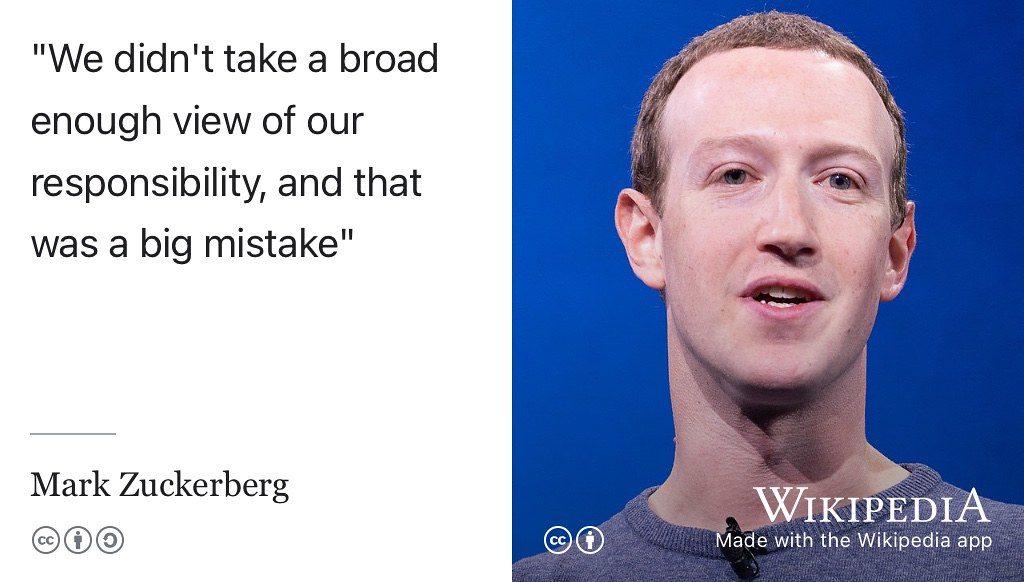
Statements by Zuckerberg, Sandberg and others found misleading about data control, hate speech and content policies.

Voices

Curated perspectives — historical figures and your fellow readers.

Ever wondered what historical figures would say about today's headlines?

Sign up to generate historical perspectives on this story.

People Involved

Organizations Involved

Timeline

March 2018 September 2026

6 events Latest: Yesterday
Tap a bar to jump to that date
  1. FTC fines Facebook $5 billion

    Regulatory

    Federal Trade Commission fines Facebook $5 billion for privacy violations tied to Cambridge Analytica.

  2. Cambridge Analytica collapses

    Corporate

    Cambridge Analytica shuts down following the scandal and loss of clients.

  3. Zuckerberg testifies before Congress

    Testimony

    Mark Zuckerberg testifies before Congress about Facebook's data handling and privacy controls.

  4. Cambridge Analytica data harvesting exposed

    Revelation

    News reports reveal Cambridge Analytica harvested data from up to 87 million Facebook profiles.

Scenarios

1

Judge orders penalty exceeding $50 billion

Unlikely Resolves by Q1 2027

Discussed by: New Mexico Attorney General's Office, which is pressing for the maximum

Mathew applies the $5,000 cap across most of the 43 million violations, producing a penalty in the tens of billions or higher. Torrez's office argued the violations affected New Mexico's entire population of more than two million people, which would justify the full per-violation rate. Such an award would face heavy scrutiny on appeal.

2

Meta appeals the verdict to New Mexico appellate courts

Likely Resolves by Q2 2027

Discussed by: Reuters and Associated Press legal coverage

After Mathew sets the penalty, Meta files a notice of appeal. New Mexico civil appeals must typically be filed within 30 days of a final judgment, taking the case to the New Mexico Court of Appeals and potentially the state Supreme Court. An appeal could delay any payment for years while the verdict is reviewed.

3

Meta settles with New Mexico before appeal resolves

Possible Resolves by Q2 2028

Discussed by: Reuters legal coverage

Rather than litigate for years, Meta negotiates a settlement with the state. A deal would lock in a payment below the maximum but guarantee the state a win, and could include commitments to change data practices and submit to external audits. Both sides have incentives to avoid an extended and expensive appeal.

Historical Context

2 moments from history that rhyme with this story — and how they unfolded.

November 1998

Tobacco Master Settlement Agreement (1998)

Forty-six state attorneys general settled consumer protection litigation with the major tobacco companies over deceptive marketing. The companies agreed to pay states roughly $206 billion over 25 years and to restrict advertising aimed at minors.

Then

The settlement channeled massive annual payments to state governments and imposed lasting marketing restrictions.

Now

It established state attorneys general as a powerful enforcement channel against industries that mislead consumers.

Why this matters now

New Mexico's case against Meta follows the same playbook: a state attorney general using consumer protection law with penalties that scale per violation.

July 2019

FTC fines Facebook $5 billion (2019)

The Federal Trade Commission fined Facebook $5 billion for violating a 2012 privacy consent decree, after the Cambridge Analytica scandal exposed that third-party apps had harvested data from up to 87 million users. It was the largest privacy penalty the FTC had ever imposed.

Then

Facebook paid the fine without admitting wrongdoing and agreed to create an independent privacy committee.

Now

Critics called the fine a small fraction of Facebook's annual revenue, and it left state attorneys general free to pursue their own actions.

Why this matters now

New Mexico's consumer protection case uses a different enforcement route with steeper per-violation penalties, producing exposure the FTC settlement did not create.

Sources

(9)