Kentucky authorized charter schools in 2017. Nine years later, not a single one has opened.
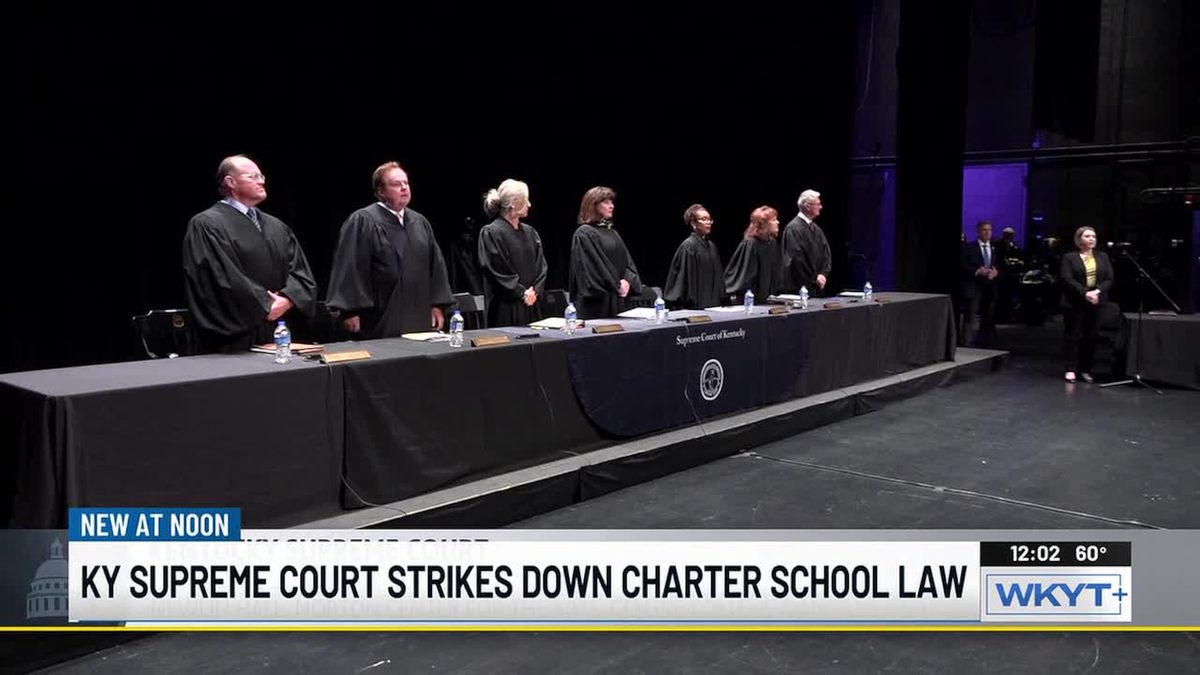
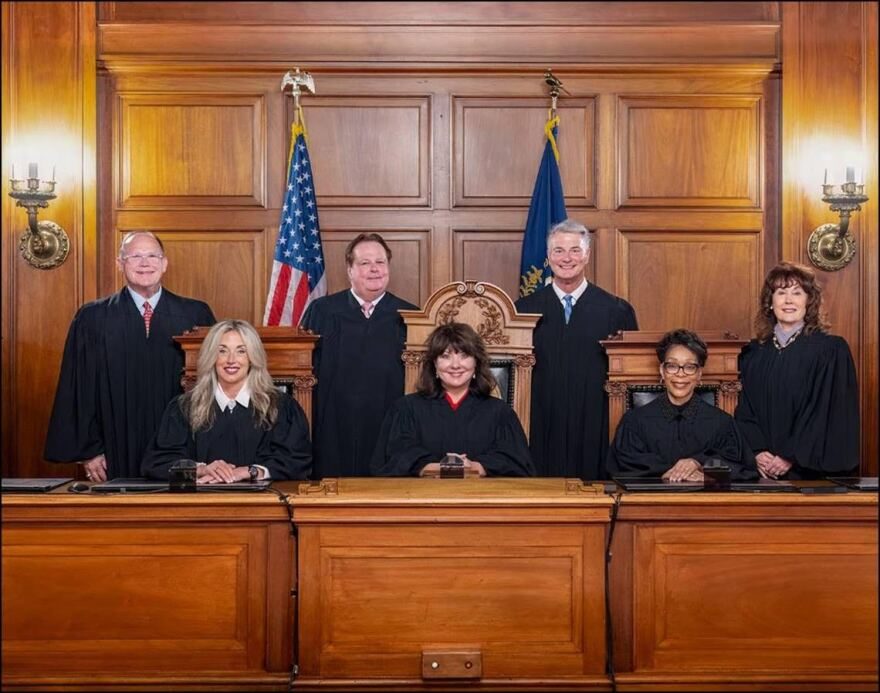
On February 19, 2026, the Kentucky Supreme Court unanimously struck down House Bill 9, the state's 2022 charter school funding law. The court ruled that the legislature cannot direct public education dollars to charter schools because they are not "common schools" under the state constitution.
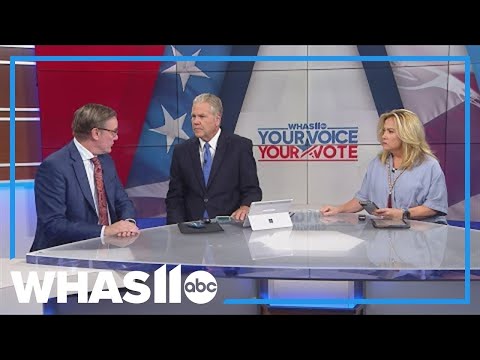
The decision locks in a constitutional barrier that Kentucky voters reinforced in 2024 when all 120 counties rejected a ballot amendment that would have loosened restrictions on education spending. Charter school advocates would need to either win a future constitutional amendment or redesign charter schools to fit the court's definition of common schools—the latter would strip away much of what makes them distinct. Kentucky remains one of only a handful of states where no charter school has ever operated.
Questions about this story
Free account needed to ask — your question is kept and asked for you right after sign-up. Answers are public.
No questions yet — be the first to ask.
Key Indicators
7-0
Supreme Court vote
All seven justices agreed the charter school funding law is unconstitutional
120
Counties rejecting Amendment 2
Every Kentucky county voted against loosening education funding restrictions in 2024
0
Charter schools operating
Despite being legally authorized since 2017, no charter school has ever opened in Kentucky
168
School districts in lawsuit
The Council for Better Education, representing 168 districts, brought the challenge
14 events
Latest: February 19th, 2026 · 7 months ago
Showing 8 of 14
JK to step
Tap a bar to jump to that date
Jump to
February 2026
Supreme Court unanimously strikes down charter school funding law
LatestLegal
In a 7-0 decision authored by Justice Michelle Keller, the Kentucky Supreme Court rules HB 9 unconstitutional. The court holds that charter schools are not common schools because they can cap enrollment, use lottery admissions, and operate independently of local school boards. No charter school can open under the struck-down law.
September 2025
Supreme Court hears oral arguments on HB 9
Legal
The Kentucky Supreme Court hears oral arguments in Commonwealth v. Council for Better Education. The attorney general argues charter schools were designed to function within the common school system; challengers argue they structurally cannot.
November 2024
Voters reject Amendment 2 in all 120 counties
Political
Kentucky voters defeat Constitutional Amendment 2, which would have allowed the legislature to fund education outside the common school system, by a margin of 65.2% to 34.8%. Every county votes against it.
April 2024
Kentucky Supreme Court takes the case directly
Legal
The Supreme Court grants an order transferring the case from the Court of Appeals, taking it directly for consideration by the state's highest court.
January 2024
Attorney General files appeal
Legal
Attorney General Russell Coleman files a notice of appeal on behalf of the Commonwealth, challenging the circuit court's ruling that HB 9 is unconstitutional.
December 2023
Franklin Circuit Court strikes down HB 9
Legal
Judge Phillip Shepherd rules HB 9 unconstitutional, finding that charter schools are "private entities" that fall outside the constitutional definition of common schools. He notes the legislature has a clear path via voter referendum.
January 2023
Council for Better Education files lawsuit challenging HB 9
Legal
The Council for Better Education, along with the Jefferson County and Dayton Independent school boards, sues to block HB 9, arguing charter schools are not common schools under the state constitution.
December 2022
Supreme Court strikes down tax credit scholarship program
Legal
The Kentucky Supreme Court unanimously rules the Education Opportunity Account Program (HB 563) unconstitutional, holding that tax credits for private school scholarships violate the constitution's common school funding restrictions. This is the first school choice law struck down.
April 2022
Legislature overrides veto, HB 9 becomes law
Legislative
The Republican-controlled House and Senate override the governor's veto with votes of 52-46 and 22-15, respectively. HB 9 becomes law, creating a funding mechanism for charter schools for the first time.
Governor Beshear vetoes charter school funding bill
Legislative
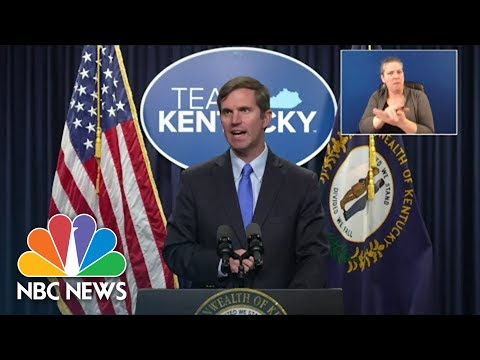
Governor Andy Beshear vetoes House Bill 9, which would direct per-pupil state funding to follow students into charter schools and require pilot programs in Louisville and Northern Kentucky by 2023.
March 2021
Legislature passes tax credit scholarship program
Legislative
The General Assembly passes House Bill 563, creating an Education Opportunity Account program that gives tax credits to donors who fund private school scholarships. The law is immediately challenged.
March 2017
Kentucky authorizes charter schools but provides no funding
Legislative
Governor Matt Bevin signs legislation making Kentucky the 44th state to authorize charter schools. The law allows local school boards and mayors of Louisville and Lexington to approve charters but includes no mechanism to fund them.
June 1989
Rose v. Council for Better Education declares entire school system unconstitutional
Legal
The Kentucky Supreme Court rules the state's entire public education system is unconstitutional, triggering the Kentucky Education Reform Act of 1990. The Council for Better Education, representing 66 school districts, wins a ruling that defines education as a fundamental right.
January 1891
Kentucky Constitution enshrines common school funding protections
Legal
Kentucky's 1891 constitution includes Sections 183, 184, and 186, which mandate that the General Assembly provide an "efficient system of common schools" and restrict education funding exclusively to that system unless voters approve otherwise.
Scenarios
1
Legislature Tries Again With a Redesigned Charter Model
Possible
Discussed by: National Alliance for Public Charter Schools; education policy analysts
The General Assembly could attempt to draft a new charter school law that addresses each constitutional objection—requiring open enrollment without caps, eliminating lottery admissions, and placing charters under local school board oversight. However, this would remove the operational independence that defines charter schools nationally, and the Supreme Court's opinion suggests even redesigned charters may not satisfy the constitutional definition of common schools.
2
Voters Approve a Future Constitutional Amendment
Unlikely
Discussed by: Republican legislative leadership; school choice advocacy groups
The legislature could place another constitutional amendment on a future ballot, as the court's opinion explicitly identified voter approval as the constitutional path forward. But Amendment 2's defeat in all 120 counties in 2024 makes this politically difficult. Supporters would need to either wait for a significant shift in public opinion or craft a narrower amendment that addresses specific voter concerns about diverting public school funds.
3
Charter Schools Remain Permanently Blocked in Kentucky
Likely
Discussed by: Kentucky Education Association; Council for Better Education; constitutional law scholars
With two separate school choice laws struck down unanimously, a constitutional amendment rejected statewide, and no new legal avenue apparent, publicly funded charter schools may remain effectively impossible in Kentucky for the foreseeable future. The state's 1891 constitutional framework, repeatedly affirmed by courts and voters, creates one of the strongest legal barriers to school choice in the country.
4
Federal Action Overrides State Constitutional Barriers
Unlikely
Discussed by: Federal education policy observers; school choice advocates at national level
Federal legislation or executive action could attempt to condition education funding on states allowing charter schools, or the United States Supreme Court could take a case establishing a federal right to school choice that overrides state constitutional restrictions. Neither path has current momentum, and the Supreme Court's recent refusal to intervene in the Oklahoma religious charter school case suggests limited appetite for overriding state education frameworks.
Historical Context
3 moments from history that rhyme with this story — and how they unfolded.
1 of 3
June 1989
Rose v. Council for Better Education (1989)
The Council for Better Education, representing 66 underfunded Kentucky school districts, sued the state arguing that the entire public education system was unconstitutional. The Kentucky Supreme Court agreed, declaring the system failed to meet the constitutional mandate of an "efficient system of common schools" and ordering the legislature to rebuild it from scratch.
Then
The General Assembly passed the Kentucky Education Reform Act of 1990, one of the most comprehensive state education overhauls in American history, creating a new funding formula and accountability system.
Now
The case established education as a fundamental right in Kentucky and became a national model for school finance litigation. The same constitutional provisions and the same plaintiff organization are at the center of the 2026 charter school ruling.
Why this matters now
The Council for Better Education used the very constitutional framework it helped define in 1989 to block charter school funding 37 years later. The Rose decision created the legal architecture that now makes publicly funded charter schools unconstitutional in Kentucky.
2 of 3
January 2006
Bush v. Holmes — Florida Voucher Ruling (2006)
The Florida Supreme Court struck down Governor Jeb Bush's Opportunity Scholarship Program, the nation's first statewide school voucher program, in a 5-2 ruling. The court held that publicly funded vouchers for private schools violated the state constitution's requirement of a "uniform, efficient, safe, secure, and high quality system" of public schools.
Then
Florida shifted to a tax credit scholarship model to work around the ruling, which survived subsequent legal challenges.
Now
The decision established that state constitutional "uniformity" clauses can block school choice programs even when they survive federal constitutional scrutiny. It became a template for challenges in other states.
Why this matters now
Like Florida, Kentucky's court ruled that the state constitution's common school provisions create a structural barrier to redirecting public funds. But Kentucky's barrier may be stronger: voters explicitly rejected a constitutional workaround, while Florida's legislature found alternative funding paths.
3 of 3
June 2024
Oklahoma Religious Charter School Ruling (2024)
The Oklahoma Supreme Court voted 6-2 to block the St. Isidore of Seville Catholic Virtual School, which would have been the first publicly funded religious charter school in the United States. The court ruled the contract with the Catholic Archdiocese violated both state and federal constitutional provisions on the separation of church and state.
Then
The Charter School Board was ordered to rescind its contract with St. Isidore, blocking approximately 500 students and $2.5 million in state funding. The case was appealed to the United States Supreme Court.
Now
The case became a national test of whether religious organizations can operate taxpayer-funded charter schools. The United States Supreme Court declined to broadly intervene, returning the issue to state courts.
Why this matters now
Both rulings demonstrate that state constitutions remain the primary legal battleground for school choice. While the Oklahoma case involved religious liberty questions, both decisions show state courts enforcing constitutional limits on how public education dollars can be spent—even when legislatures and governors want otherwise.