
Pull to refresh
Logo
Largest known Roman mosaic opens to public beneath Baths of Trajan

Largest known Roman mosaic opens to public beneath Baths of Trajan

Built World

The 'Great Mosaic' and 'Painted City' fresco, buried for nearly two millennia, are now visible in small guided tours

Today: The Art Newspaper reports the opening

Overview

Updated 1 hour ago

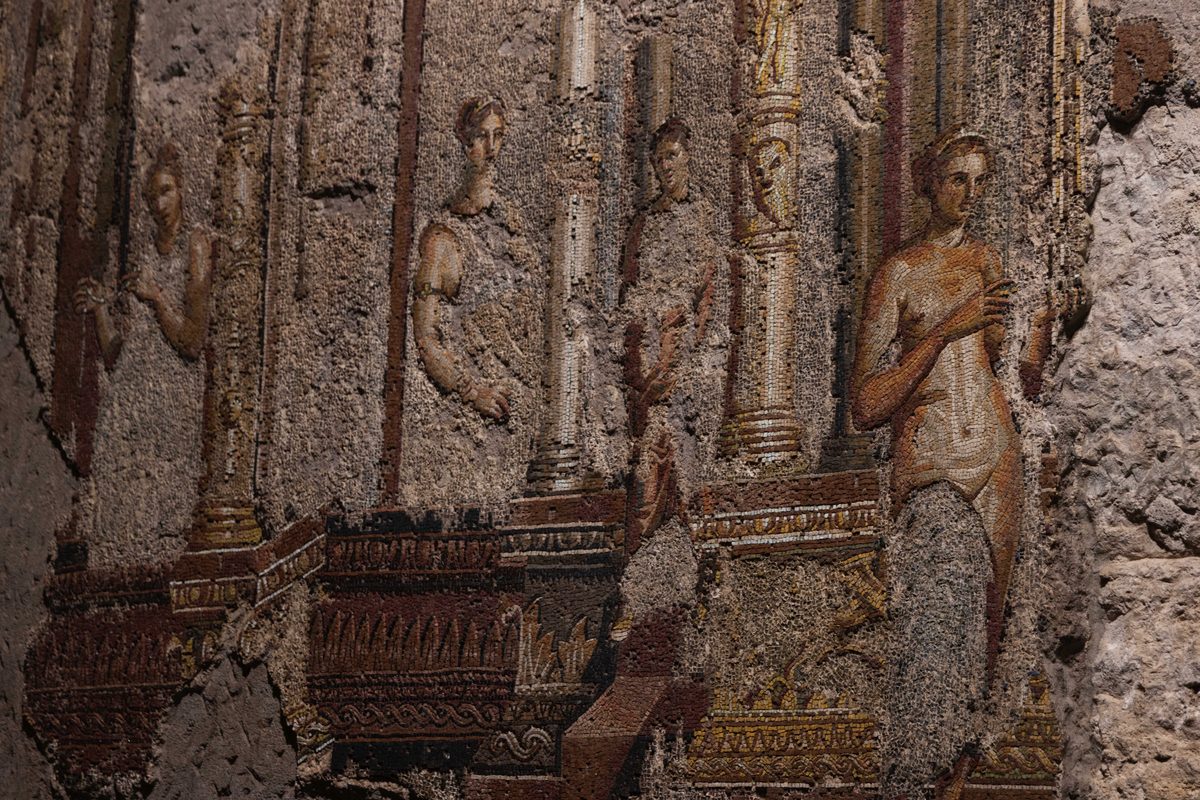
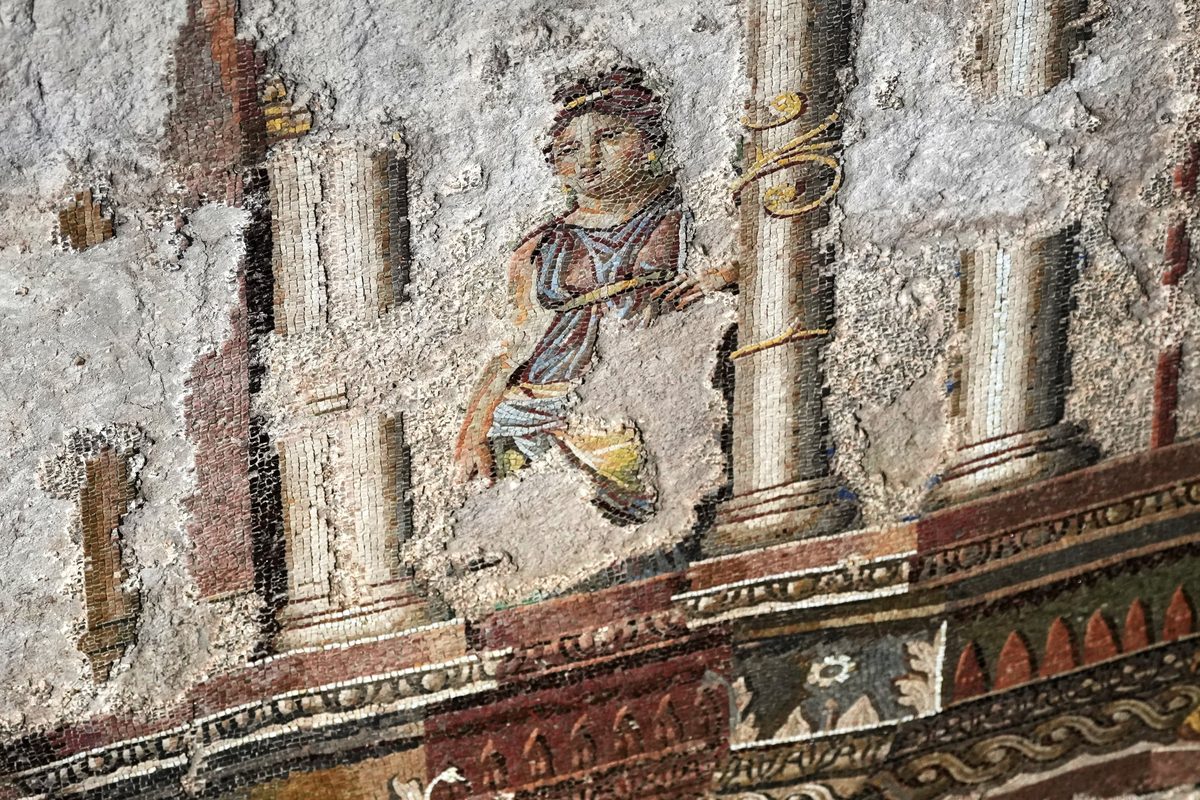
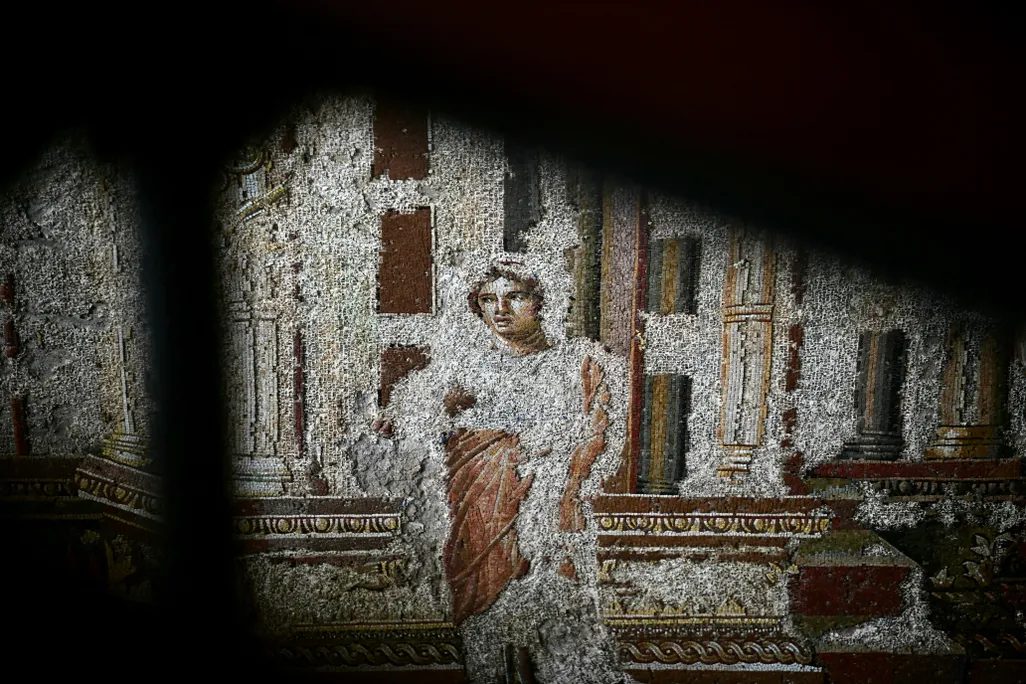
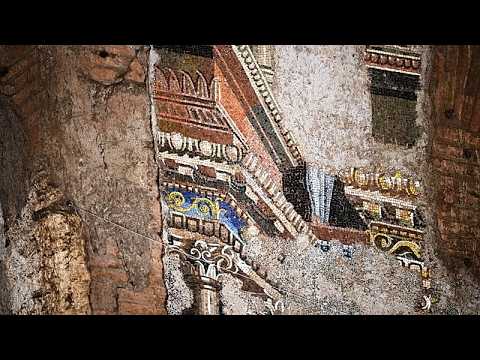
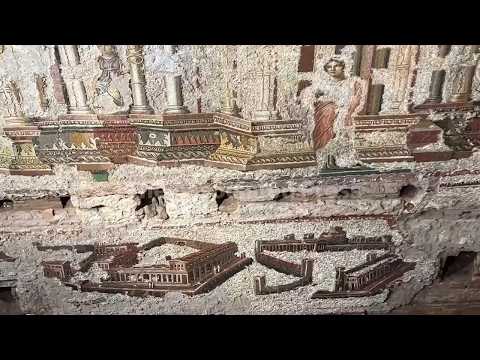
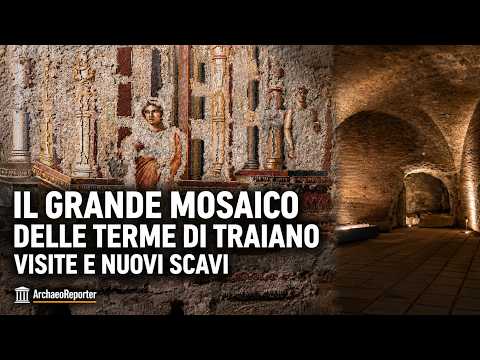
The largest wall mosaic ever found in the Roman world opened to the public for the first time on September 12, 2026. The 'Great Mosaic' and its companion 'Painted City' fresco, buried for nearly two millennia beneath the Baths of Trajan on Rome's Oppian Hill, are now visible in small guided tours.

The works date from the 1st century AD and were discovered in the 1990s. A 14-year restoration, funded partly by a €500 million European Union programme, made the opening possible. Access is deliberately limited to 15 people per group to test how the delicate surfaces respond to humidity and human presence.

Why it matters

The public can now see the largest surviving Roman wall mosaic—a 2,000-year-old depiction of a maritime city buried since antiquity.

Questions about this story

Free account needed to ask — your question is kept and asked for you right after sign-up. Answers are public.

No questions yet — be the first to ask.

Key Indicators

10m × 16m
Dimensions of the Great Mosaic
The mosaic is 10 meters high and 16 meters wide, the largest wall mosaic found in the Roman world.
14 years
Restoration duration
The restoration of the Great Mosaic and Painted City fresco took 14 years to complete.
15
Visitors per tour group
Access is limited to 15 people per group during the conservation trial period.
€7.50
Admission from October
Full nonresident ticket price once regular Friday-Sunday access begins in October.
€500M
Caput Mundi programme budget
European Union-funded programme supporting cultural heritage restoration in Rome.

Voices

Curated perspectives — historical figures and your fellow readers.

Ever wondered what historical figures would say about today's headlines?

Sign up to generate historical perspectives on this story.

People Involved

Organizations Involved

Timeline

January 1990 September 2026

8 events Latest: Today
Tap a bar to jump to that date
  1. The Art Newspaper reports the opening

    Today Publication

    The Art Newspaper published its report on the opening, confirming the mosaic's status as the largest found in the Roman world.

  2. First trial weekend opens to public

    Opening

    The Great Mosaic and Painted City fresco opened to the public for the first time, with groups of 15.

  3. Rome unveils restored ensemble

    Announcement

    Rome unveiled the restored ensemble and announced controlled visits starting September 12.

  4. Restoration project ends

    Restoration

    The Caput Mundi restoration and access project concluded.

  5. Caput Mundi restoration begins

    Restoration

    The PNRR-Caput Mundi restoration and access project began, running for nearly 14 months.

  6. Great Mosaic scale established

    Discovery

    Campaigns established the scale and two-wall setting of the Great Mosaic.

  7. Painted City fresco revealed

    Discovery

    Work revealed the brick façade and Painted City fresco in the underground gallery.

  8. Excavators expose gunpowder works remains

    Discovery

    Excavators exposed remains of an 18th-century gunpowder works in the gallery beneath the Baths of Trajan.

Scenarios

1

Conservation trial succeeds, access expands

Possible Resolves by Q2 2027

Discussed by: Rome's Sovrintendenza Capitolina, which designed the trial to test visitor impact on the delicate surfaces

The trial period runs weekends through September, then Friday-Sunday from October. If the works respond well to humidity and visitor presence, the city could increase group sizes or add more visiting days. The Sovrintendenza has not committed to expansion, but the trial's design implies the possibility.

2

Conservation concerns force restricted access

Possible Resolves by Q2 2027

Discussed by: Conservation specialists quoted by AP and The Art Newspaper, who note the trial exists precisely to test humidity impacts

The small-group format is a deliberate conservation test. If monitoring shows the works are degrading from moisture or human presence, the city could reduce access or close the site. The Art Newspaper reported that the trial is intended to determine how the delicate works respond to increased humidity and climatic impacts before allowing more general access.

3

Excavation reveals mosaic's full extent

Likely Resolves by End of 2028

Discussed by: Archaeologist Francesco Pacetti, who said 'we are still digging to find out where it stops'

Excavations are continuing to determine the mosaic's full extent. If new sections are revealed, the known dimensions could grow beyond the current 10m × 16m. Pacetti noted a newly revealed section depicts grape harvesting and winemaking, suggesting the mosaic may extend further than currently documented.

Historical Context

2 moments from history that rhyme with this story — and how they unfolded.

1980-1994

Sistine Chapel restoration (1980-1994)

A 14-year restoration of Michelangelo's frescoes, completed in 1994, cleaned centuries of grime and revealed the original colors. The project was controversial, with some art historians arguing the cleaning was too aggressive.

Then

The restored frescoes revealed vivid colors that changed scholarly understanding of Michelangelo's palette.

Now

The restoration set a precedent for large-scale conservation of ancient and Renaissance art, and the chapel's popularity surged.

Why this matters now

The 14-year restoration of the Great Mosaic follows a similar pattern: a long, careful conservation project that ultimately makes ancient art accessible to the public.

64-68 AD

Domus Aurea, Nero's Golden House (64-68 AD, rediscovered 15th century)

Nero's vast palace complex, built after the fire of 64 AD, was buried and forgotten for centuries. Rediscovered in the Renaissance, its painted 'grottesche' decorations inspired Raphael and other artists.

Then

The rediscovery sparked a wave of interest in ancient Roman painting and decoration.

Now

The site has been repeatedly opened and closed to the public due to conservation concerns, including water damage and structural instability.

Why this matters now

The Great Mosaic sits in the same area as the Domus Aurea and faces the same conservation challenges—humidity, moisture, and structural stability—that have forced repeated closures at Nero's palace.

Sources

(9)