
Pull to refresh
Logo
Artspace reopens renovated Rio Grande affordable housing complex after 25 years

Artspace reopens renovated Rio Grande affordable housing complex after 25 years

Built World Salt Lake City, UT local

The nonprofit's first ground-up development, renamed Norbridge Court, gets a new mural and fresh interiors as the district attempts a comeback

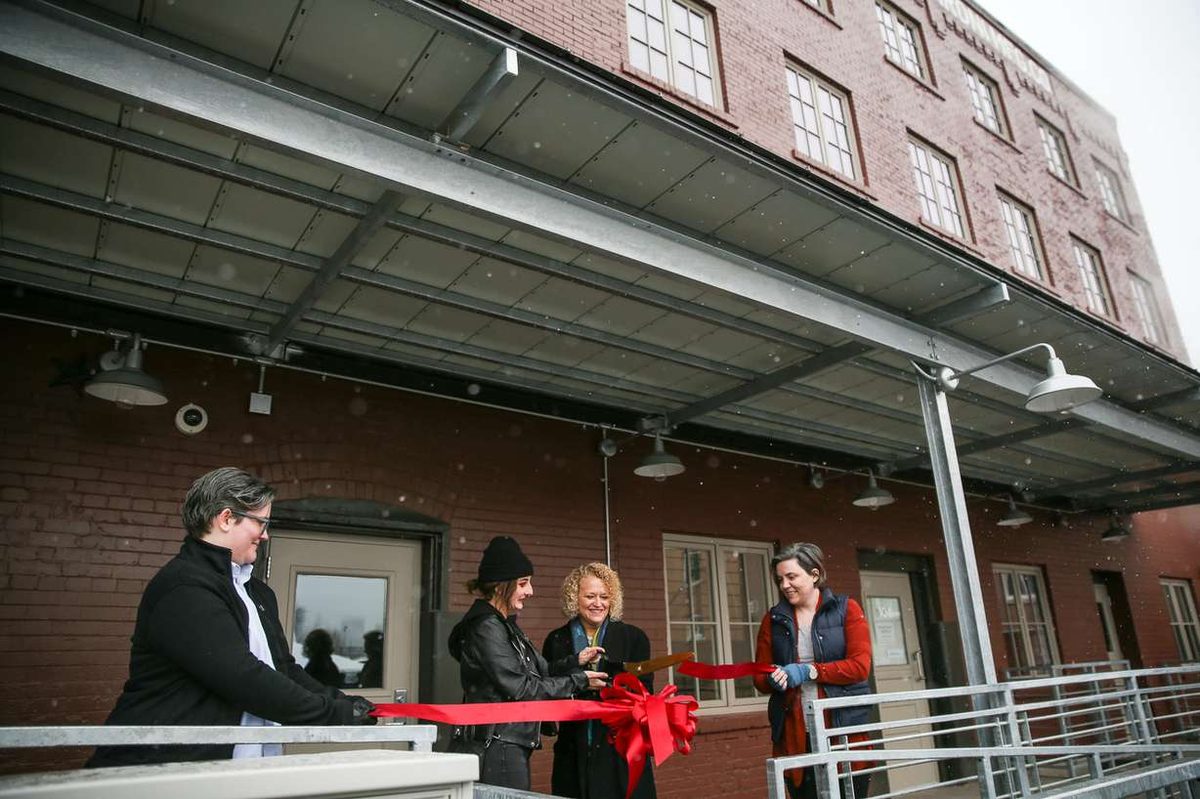
3 days ago: Artspace celebrates Norbridge Court reopening

Overview

Updated 1 hour ago

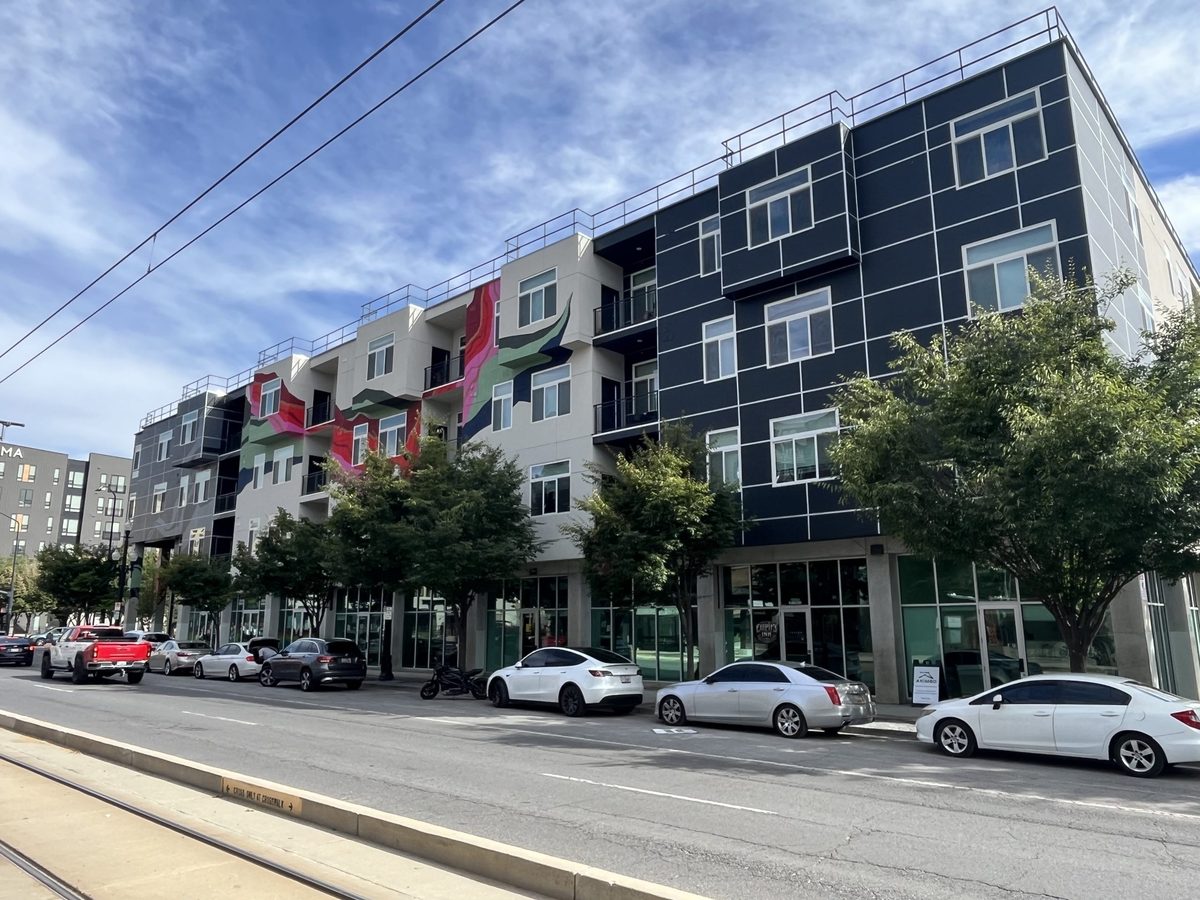
Artspace, the nonprofit that seeded Salt Lake City's Rio Grande arts scene, celebrated the reopening of its first building on September 3. The 62-unit complex at 511 West 200 South—now renamed Norbridge Court—underwent a full renovation with new interiors, a mural, and remade commercial spaces.

The renovation lands amid a broader bet that the district's cultural heyday can return after a long decline driven by homelessness and shuttered storefronts. The city's redevelopment agency owns 11 acres here, the Environmental Protection Agency (EPA) just funded a $2 million cleanup of a key University of Utah parcel, and a new climbing headquarters is planned—but The Road Home shelter still sits a block away.

Why it matters

If the Rio Grande revives, Salt Lake City gains a rare transit-oriented, mixed-income neighborhood—if it stalls, the district stays a cautionary tale.

Questions about this story

Free account needed to ask — your question is kept and asked for you right after sign-up. Answers are public.

No questions yet — be the first to ask.

Key Indicators

62
Apartments in the renovated Norbridge Court building
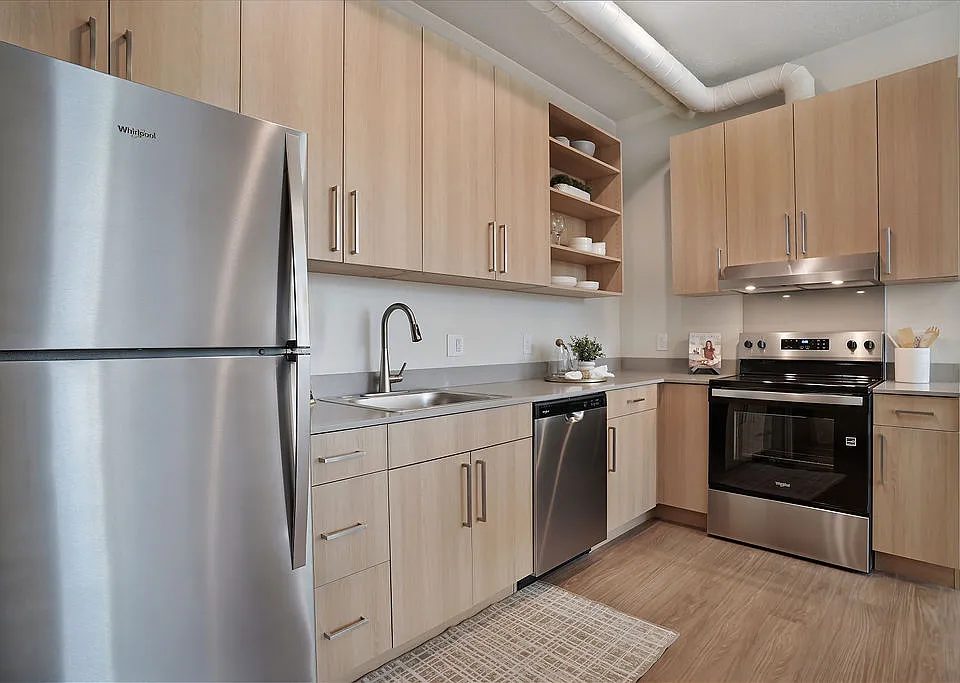
All 62 units received new kitchens, bathrooms, and layouts during the renovation.
25
Years since the building originally opened
Artspace's first ground-up development, completed in 2001, got its first major renovation in 2026.
$2M
EPA brownfields cleanup grant
Federal grant to clean a University of Utah parcel that currently blocks district redevelopment.

Voices

Curated perspectives — historical figures and your fellow readers.

Ever wondered what historical figures would say about today's headlines?

Sign up to generate historical perspectives on this story.

Play

Exploring all sides of a story is often best achieved with Play.

Most of these play right now — no account needed. Sign up to save scores, keep a streak, and unlock Debate and Predict. Log in Sign Up
Predict 3 ways this could play out. Back the one you believe — contrarian picks score more when a scenario has a resolution date. Log in to play

People Involved

Organizations Involved

Timeline

November 2001 September 2026

9 events Latest: 3 days ago
Tap a bar to jump to that date
  1. Artspace celebrates Norbridge Court reopening

    Latest Milestone

    The nonprofit shows off the renovated building with new interiors, a mural, and remade commercial spaces.

  2. Norbridge Court renovation begins

    Development

    Artspace starts a full renovation of the 62-unit Bridge Projects, renaming it Norbridge Court.

  3. EPA awards $2M brownfields grant

    Funding

    The EPA gives $2 million to clean a University of Utah parcel blocking redevelopment.

  4. Earthquake damages Rio Grande Depot

    Setback

    The quake shuts the Rio Gallery, compounding the district's cultural decline.

  5. Macaroni Flats opens as Station Center's first project

    Milestone

    The $7 million conversion of the Western Macaroni factory adds 13 units and eight commercial spaces.

  6. Early arts tenants depart

    Setback

    Mestizo Coffeehouse leaves for North Temple; Hoagland's gallery moves to Sugar House.

  7. City Center opens in former ZCMI warehouse

    Milestone

    The 1905 warehouse holds 18 live/work townhouses and more than 20,000 square feet of commercial space.

  8. Artspace Forum Gallery opens

    Milestone

    Patrick Hoagland opens a 4,400-square-foot exhibition space in the Bridge Projects.

  9. Bridge Projects opens; Gateway debuts across the street

    Milestone

    Artspace completes its first ground-up building: 62 apartments and 20,000 square feet of commercial space.

Historical Context

3 moments from history that rhyme with this story — and how they unfolded.

1990-2010

Portland's Pearl District (1990s-2000s)

Portland's Pearl District was a railyard and industrial wasteland adjacent to downtown, with empty warehouses and contaminated rail beds. Beginning in the 1990s, the city, property owners, and developers produced a district plan that brought new housing, parks, and galleries to the former yards over two decades, driven by tax-increment financing and sustained public investment.

Then

Within two decades, the Pearl became one of Portland's most desirable neighborhoods.

Now

It is now a national model for transit-oriented brownfield redevelopment—though critics note it also accelerated gentrification and lacked deep affordability.

Why this matters now

The Pearl shows what sustained public-private investment can achieve on a similar brownfield site over two decades, along with the displacement tradeoffs that can follow.

1960s-1970s

SoHo Artist Lofts (1960s-70s)

In the 1960s, artists began illegally converting abandoned cast-iron lofts in lower Manhattan into live/work studios. Despite unsafe conditions, the dense creative community attracted galleries and collectors. By the early 1970s, the city moved to legalize the lofts, and SoHo became the world's most famous arts district.

Then

SoHo boomed as an arts hub, with galleries and studios filling entire blocks.

Now

By the 1980s-90s, SoHo was one of Manhattan's most expensive neighborhoods; most artists were priced out, and galleries moved west to Chelsea.

Why this matters now

SoHo is the archetype of arts-led revival that succeeded so well it displaced its own pioneers—a cautionary model for Artspace's bet if the Rio Grande's rents climb.

1990s-Present

The Tenderloin, San Francisco (1990s-present)

San Francisco's Tenderloin has seen repeated revitalization attempts since the 1990s—new housing, arts programs, street cleanups—while remaining one of the city's most concentrated areas of homelessness, addiction, and social services. Each wave of investment has had limited impact on underlying conditions, and the district still struggles with encampments and vacant commercial space.

Then

Individual projects open, but the district's entrenched challenges persist.

Now

Decades later, the Tenderloin remains a cautionary example of how hard it is to transform a neighborhood with concentrated social services.

Why this matters now

The Rio Grande faces the same core dynamic: The Road Home shelter sits a block from Norbridge Court, and concentrated homelessness drove the district's decline—a test of whether new investment can overcome that weight.

Sources

(5)