




November 1926
Village of Euclid v. Ambler Realty (1926)
The U.S. Supreme Court upheld zoning ordinances as a valid exercise of local police power, ruling that a Cleveland suburb could restrict how private land was used. Ambler Realty had challenged Euclid's zoning map as an unconstitutional taking.
Then
Zoning became a standard tool for American municipalities, and Euclid's ordinance stood against the challenge.
Now
Set the constitutional foundation for land-use regulation: later disputes play out within local rules rather than against zoning itself.
Why this matters now
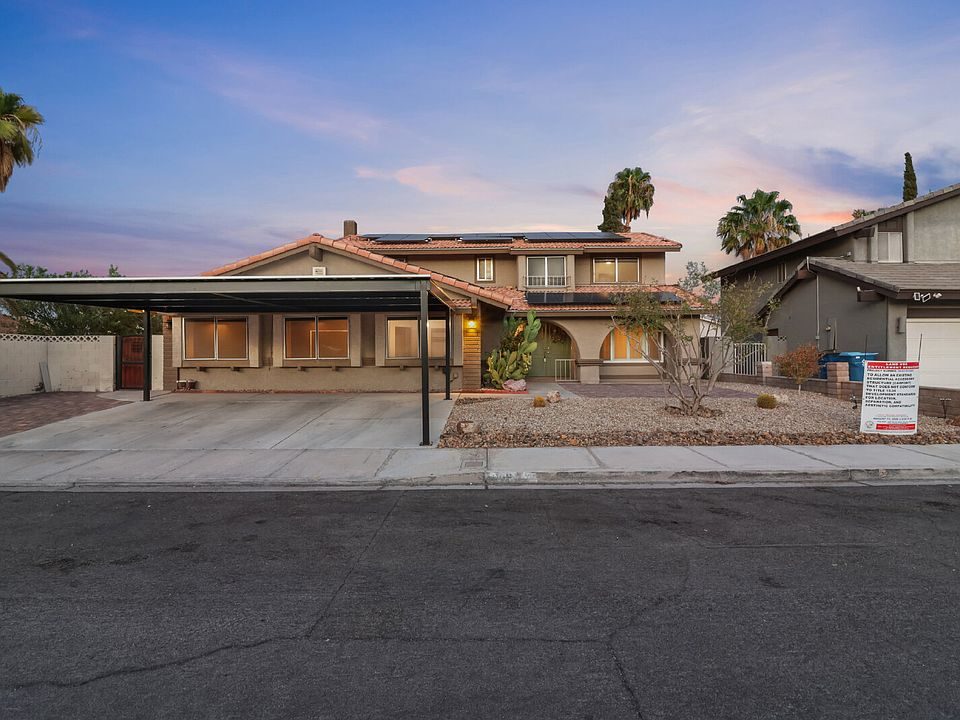
Explains why a carport on a Las Vegas lot can face municipal development standards at all. Cities have held zoning authority since 1926, and a property owner whose structure doesn't comply must go through a variance process like this one.