
Pull to refresh
Logo
Tamales La Reina secures two key approvals for East Las Vegas storefront

Tamales La Reina secures two key approvals for East Las Vegas storefront

Built World Las Vegas, NV local

Family tamale business moves from food truck to permanent location

August 17th, 2026: Health district registration

Overview

Updated 8 hours ago

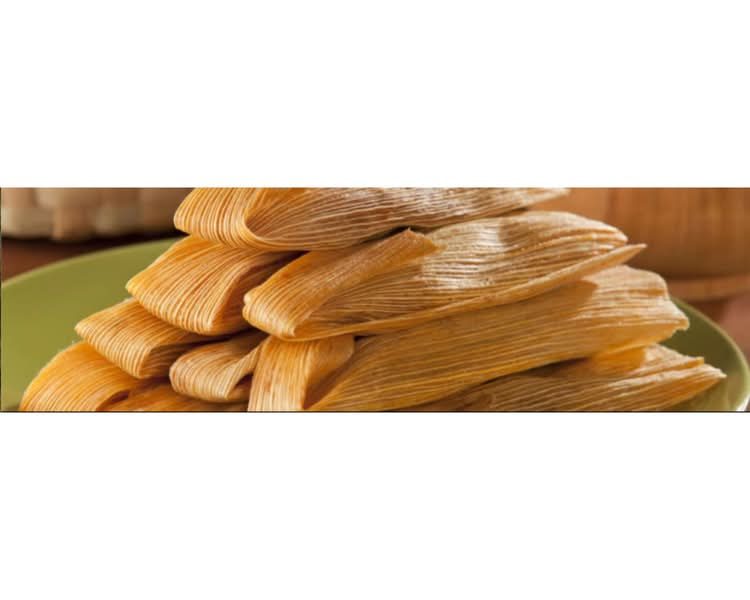
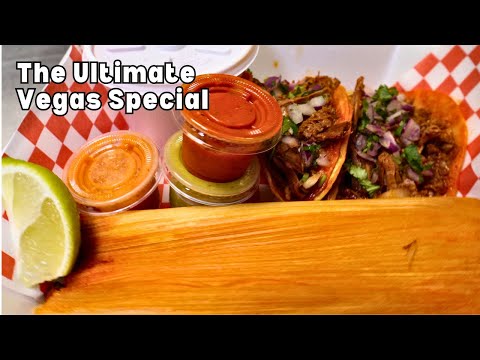
Tamales La Reina, a family-owned tamale business that started in a Las Vegas home, has taken two steps toward a permanent storefront. On August 17, the Southern Nevada Health District added the business to its food establishment records, weeks after the city issued a building permit for the address.

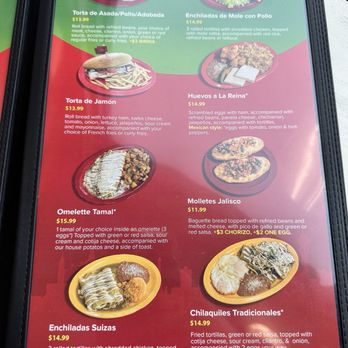
Neither approval means the doors are open. The restaurant still needs to finish construction and pass a final health inspection. But if it does, East Las Vegas gains a brick-and-mortar spot for handmade Jalisco-style tamales, chilaquiles, and breakfast burritos.

Why it matters

If the opening succeeds, a family business moves from food truck to permanent restaurant, giving East Las Vegas a new breakfast and lunch spot.

Questions about this story

Free account needed to ask — your question is kept and asked for you right after sign-up. Answers are public.

No questions yet — be the first to ask.

Key Indicators

2
Key approvals obtained
Building permit and health district registration
9
Years since start
Business began in 2017

Voices

Curated perspectives — historical figures and your fellow readers.

Ever wondered what historical figures would say about today's headlines?

Sign up to generate historical perspectives on this story.

Organizations Involved

Timeline

January 2017 August 2026

3 events Latest: August 17th, 2026 · 4 weeks ago
  1. Health district registration

    Latest Permit

    Southern Nevada Health District adds Tamales La Reina to its food establishment records.

  2. Building permit issued

    Permit

    City of Las Vegas approves a commercial building permit for tenant improvements at 3040 E Bonanza Rd.

  3. Business begins at home

    Founding

    The family starts making tamales at home and later operates from a food truck.

Scenarios

1

Tamales La Reina opens its East Las Vegas location

Likely Resolves by End of 2026

Discussed by: Local food bloggers and restaurant observers

The business completes construction, passes a final health inspection, and opens to the public. This would be the first brick-and-mortar spot for the family, which honed its tamale recipe at home and later served from a food truck.

2

Permitting delays push opening to 2027

Possible Resolves by Q1 2027

Discussed by: Observers noting common construction and inspection delays

Construction snags or failed inspections postpone the opening. The business continues working through the permitting process but does not open by the end of 2026.

3

Business abandons brick-and-mortar plans

Unlikely Resolves by End of 2026

Discussed by: Analysts pointing to common small-business failures

The building permit lapses or is revoked, and the business decides not to proceed with the location, perhaps continuing as a food truck or closing.

Historical Context

3 moments from history that rhyme with this story — and how they unfolded.

1990-2014

The Halal Guys (1990)

The Halal Guys began as a hot dog cart on 53rd Street in Manhattan, serving halal food to cab drivers. It became a lunchtime phenomenon.

Then

The cart's popularity led to multiple street carts.

Now

The brand opened its first brick-and-mortar restaurant in 2014 and now has franchises worldwide.

Why this matters now

Demonstrates that a food cart can scale into a successful restaurant chain, offering a hopeful precedent for family businesses taking the same risk.

2001-2004

Shake Shack (2001)

Shake Shack started as a hot dog cart in Madison Square Park, New York. The cart was so popular it became a permanent kiosk, then a chain.

Then

The kiosk opened in 2004, drawing long lines.

Now

Shake Shack grew to a global fast-casual chain with hundreds of locations.

Why this matters now

Shows how a small mobile food operation can transition successfully to a permanent restaurant, similar to Tamales La Reina's path.

2008-2014

Kogi BBQ (2008)

Kogi BBQ launched as a Korean-Mexican taco truck in Los Angeles, using social media to grow a cult following.

Then

The truck became a trendsetter, sparking the gourmet food truck movement.

Now

Kogi opened its first permanent restaurant in 2014, though it continues to operate trucks.

Why this matters now

A direct parallel: a food truck with loyal customers eventually opened a storefront, mirroring the trajectory Tamales La Reina is attempting.

Sources

(5)