
Pull to refresh
Logo
California Coastal Commission upholds approval of 20-unit Venice apartment building

California Coastal Commission upholds approval of 20-unit Venice apartment building

Rule Changes Los Angeles, CA local

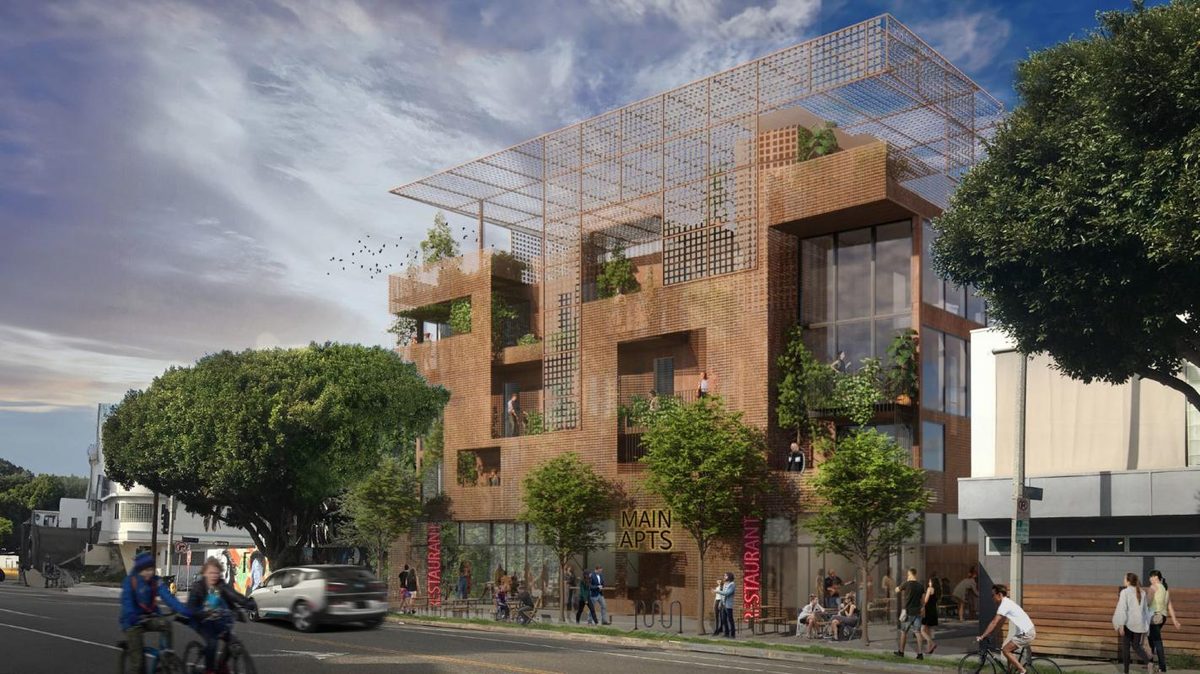
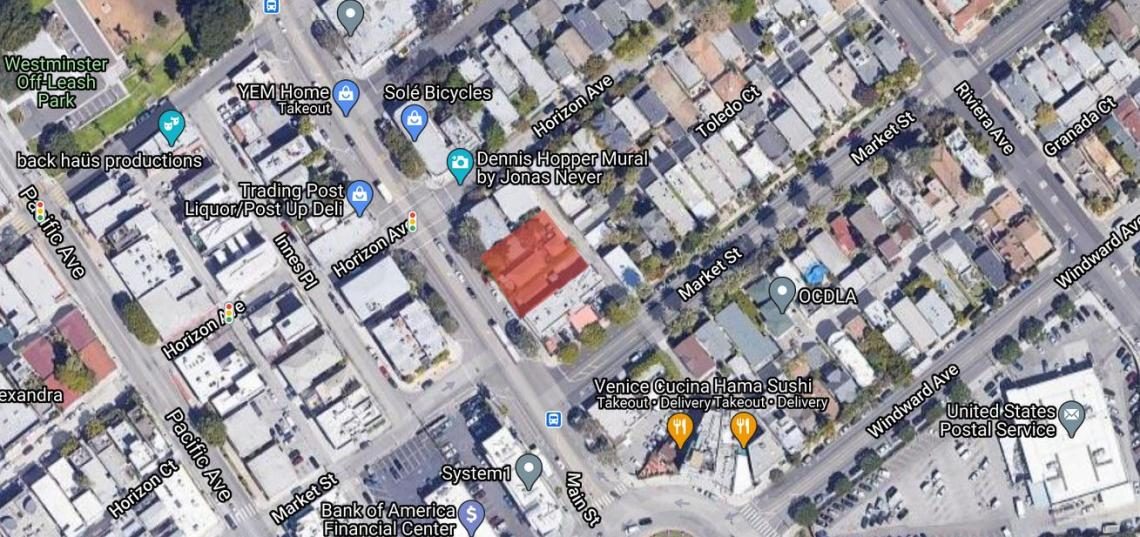
The five-story project at 1410-1422 S. Main Street cleared its third discretionary review, keeping four very-low-income units in the plan

Overview

Updated 1 hour ago

The California Coastal Commission has upheld Los Angeles's approval of a five-story apartment building at 1410-1422 S. Main Street in Venice, rejecting a neighboring resident's appeal. The building would hold 20 apartments, 3,676 square feet of ground-floor restaurant space and 28 parking spaces, with four units deed-restricted for very low-income renters.

It was the project's third discretionary review. The City Planning Commission approved it in March 2026 and the City Council rejected a neighbor's appeal that summer. At the state commission, the appellant raised coastal access, traffic and public safety; staff concluded the appeal raised no valid issues.

Why it matters

A 20-unit building needed three separate approvals and eight months to clear the coastal zone, a layer of California review that housing law reaches least cleanly.

Last Monday's email for Los Angeles, CA

Sent Nov 23. It carried:

Get next Monday's: one short email a week. Free. Unsubscribe in one click.

Questions about this story

Free account needed to ask — your question is kept and asked for you right after sign-up. Answers are public.

No questions yet — be the first to ask.

Key Indicators

20
Apartments proposed
Studio, one- and two-bedroom units across five stories.
4
Very-low-income units
Deed-restricted homes the developer must provide in exchange for density bonus incentives.
20%
Share of units affordable
Four of 20 apartments are restricted to very low-income households.
3
Discretionary reviews cleared
City Planning Commission, City Council appeal, then Coastal Commission appeal.
28
Parking spaces
Garage parking included in the plans.
3,676
Square feet of restaurant space
Ground-floor commercial space fronting Main Street.
5
Stories
The building exceeds base zoning limits through the state density bonus program.

Voices

Curated perspectives — historical figures and your fellow readers.

Sign up to generate historical perspectives on this story.

People Involved

Organizations Involved

Timeline

March 2026 November 2026

3 events Latest: Yesterday
  1. Coastal Commission upholds the approval

    Latest Appeal

    The state commission affirms the city's decision, following a staff analysis that found the appeal raised no valid issues.

  2. City Council denies the neighbor's appeal

    Appeal

    The council upholds the Planning Commission's approval, rejecting arguments that the project needed more environmental review over traffic and that the existing houses should be preserved.

  3. City Planning Commission approves the building

    Approval

    The commission grants density bonus incentives for a five-story, 20-unit building, with four units reserved for very low-income households.

Scenarios

1

Demolition permits filed, construction starts on Main Street

Likely Resolves by End of 2027

Discussed by: The developer's entitlement consultant, Crest Real Estate, which said it would carry the project 'across the finish line and into construction'

With the Coastal Commission decision final at the state level, the next step is pulling demolition and building permits from the Los Angeles Department of Building and Safety. Two detached houses occupy the site and would come down first. No construction start date has been announced.

2

Neighbors sue, and construction stalls in court

Possible Resolves by Q2 2027

Discussed by: No party has publicly announced litigation; the neighbor's city-level appeal asked for further environmental review, which is the usual precursor to a lawsuit

The neighbor's appeal at the city argued the project needed additional environmental review. A lawsuit under the California Environmental Quality Act would be the standard way to press that argument after the appeals failed, and such suits routinely add a year or more before ground is broken.

3

Approvals lapse without a building

Unlikely Resolves by End of 2029

Discussed by: No party has said the project is at risk; this tracks the ordinary fate of entitled projects that never reach construction

Entitlements expire if permits are not pulled within the life of the approvals. A 20-unit building with a restaurant space and a garage faces the same construction-cost and financing math as any other Los Angeles infill project, and a decade of pre-approval work does not guarantee it gets built.

Historical Context

2 moments from history that rhyme with this story — and how they unfolded.

November 1972

Proposition 20 creates the Coastal Commission (1972)

California voters approved an initiative creating a temporary state commission with permit authority over new construction in a narrow band along the coastline. It was a direct response to development pressure on beaches and bluffs, and it gave a state body the power to say no to local building decisions.

Then

The new commission began reviewing coastal permits while the legislature worked out a permanent framework.

Now

The temporary body became the template for the state's continuing role in coastal land use, setting up the appeals structure that still applies today.

Why this matters now

The commission that decided the Main Street appeal exists because voters chose to put a state reviewer above local zoning along the coast.

1976

California Coastal Act (1976)

The legislature made the commission permanent and wrote its priorities into law, with public access and coastal resources at the top. The Act created the coastal development permit and promised that local governments would eventually take over most permitting through certified Local Coastal Programs.

Then

Local governments began drafting coastal plans for state certification, a process that stretched on for decades in some jurisdictions.

Now

The commission kept appeal authority over local decisions in the coastal zone, so many projects face a city review and a state review in sequence.

Why this matters now

The Main Street building went through exactly that two-tier sequence: a city approval, a council appeal, then a state commission appeal.

Sources

(4)