
Pull to refresh
Logo
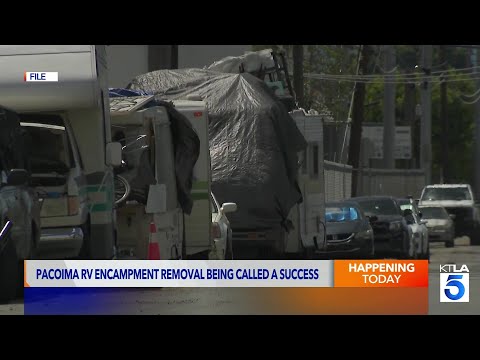
Pacoima RV-to-Home program removes 73 RVs, exceeds housing goal

Pacoima RV-to-Home program removes 73 RVs, exceeds housing goal

Built World Los Angeles, CA local

Councilmember Monica Rodriguez says the effort served 139 people against a goal of 125, and leftover grant money will go to other RV encampments

Overview

Updated 50 minutes ago

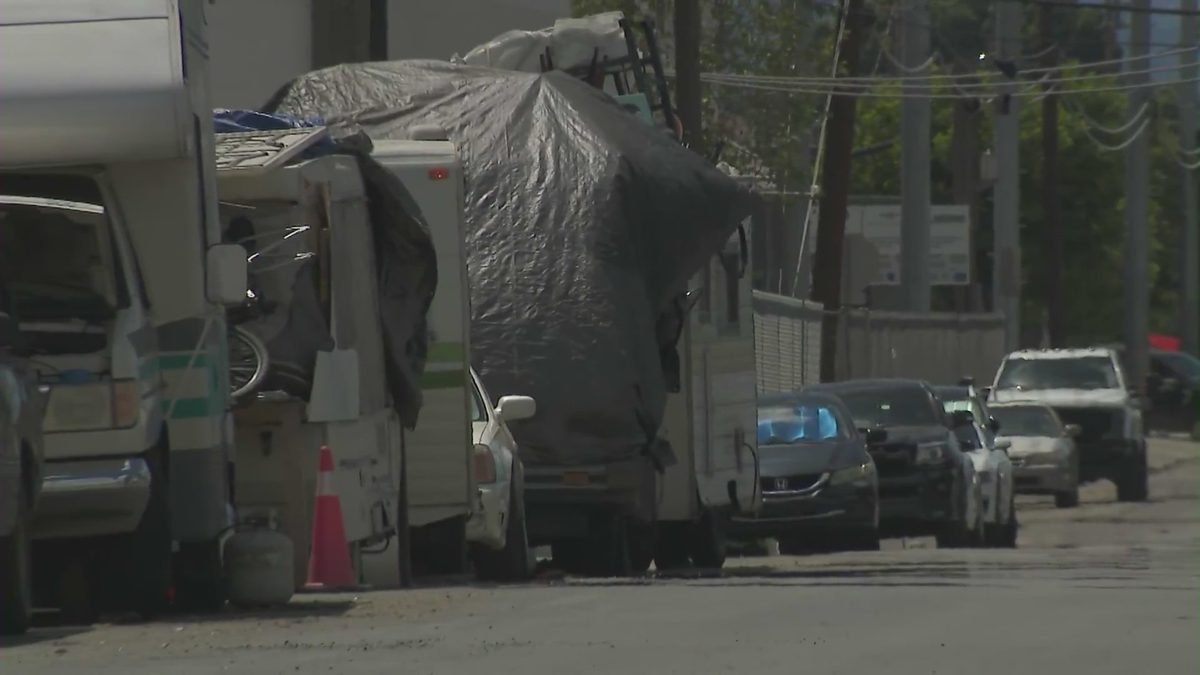
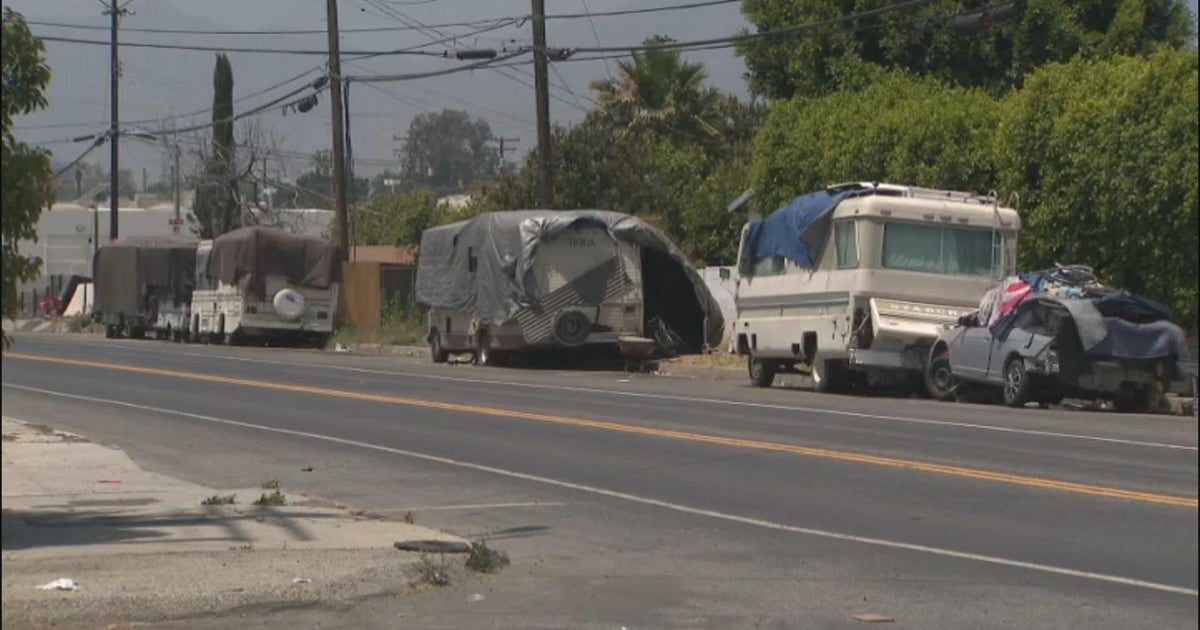
More than 73 recreational vehicles are gone from San Fernando Road in Pacoima, and 139 people who were living in them have been placed in housing, Los Angeles City Councilmember Monica Rodriguez said Tuesday. The RV-to-Home program had set out to serve 125 people.

City officials have cited blocked sightlines for drivers, sewage leaking onto streets and fires from propane heaters as reasons to clear RVs from public roads. RV-to-Home sends outreach workers to place residents in housing first, then removes the vehicle. The Conrad N. Hilton Foundation and the state paid for it.

Why it matters

If the model holds, Los Angeles gets a repeatable way to clear RV camps without simply pushing them down the road.

Last Monday's email for Los Angeles, CA

Sent Nov 23. It carried:

Get next Monday's: one short email a week. Free. Unsubscribe in one click.

Questions about this story

Free account needed to ask — your question is kept and asked for you right after sign-up. Answers are public.

No questions yet — be the first to ask.

Key Indicators

139
People placed into housing
Rodriguez said the program served 139 people, against an original target of 125.
125
Original service goal
The target Rodriguez set when the program began.
73
RVs removed from San Fernando Road
Rodriguez said the count was 'over 73' at the November 2026 announcement.

Voices

Curated perspectives — historical figures and your fellow readers.

Sign up to generate historical perspectives on this story.

People Involved

Organizations Involved

Timeline

February 2022 November 2026

2 events Latest: Yesterday
  1. Program reports 139 housed and over 73 RVs removed

    Latest Announcement

    Rodriguez says RV-to-Home exceeded its goal of 125 people, and that remaining grant money will address other RV encampments in the district.

  2. Rodriguez launches RV-to-Home on San Fernando Road

    Policy

    The 7th District councilmember introduces a program to move people from RVs into housing before the vehicles are removed, funded by the Hilton Foundation and the state.

Scenarios

1

Leftover grant money pays for a second RV site in the 7th District

Likely Resolves by Q2 2027

Discussed by: Rodriguez's own announcement, which said remaining funds would go to additional encampments

Rodriguez said the unspent grant balance will be redirected to other RV encampments in her district. The trigger is her office naming a specific street or site and starting outreach there. That would show the program is a template rather than a one-street cleanup.

2

Los Angeles funds the RV-to-Home model citywide

Unlikely Resolves by Jul 31, 2027

Discussed by: No official has proposed this; it is the logical next step if the model is judged to work

Taking the program past one council district would require city or state money rather than a single district's grant balance. The test is the fiscal 2027-28 budget, which Los Angeles adopts in the spring. Without a line item, the program stays a district-level pilot.

3

RVs return to the cleared stretch of San Fernando Road

Possible Resolves by Nov 30, 2027

Discussed by: A common critique of encampment clearances, though no one quoted in this report predicts it here

Vehicle encampments often reappear after removal when housing placements fall through or new RVs arrive. The trigger would be new RVs parked along the same stretch of Pacoima. That would test whether the housing-first sequence holds people or only clears the street for a while.

Historical Context

3 moments from history that rhyme with this story — and how they unfolded.

June 2024

Grants Pass v. Johnson (2024)

The U.S. Supreme Court ruled 6-3 that city ordinances banning camping on public property do not violate the Eighth Amendment's prohibition on cruel and unusual punishment. The case came from Grants Pass, Oregon, a small city that had fined and jailed people sleeping outdoors.

Then

Western cities gained clearer legal room to clear tent and vehicle encampments without showing they had offered shelter beds first.

Now

Clearances became more common, and the fight moved to state law and to whether cities actually have somewhere for displaced residents to go.

Why this matters now

RV-to-Home is the second half of that fight: not whether Los Angeles may remove vehicles, but whether it can move the people inside them somewhere first.

September 2006

Safer Cities Initiative, Los Angeles (2006)

Los Angeles sent roughly 50 additional police officers into Skid Row for a six-month push against petty crime, backed by Mayor Antonio Villaraigosa. Arrests rose sharply and jail bookings climbed.

Then

Reported crime on Skid Row fell during the operation, while critics said it cycled homeless residents through jail without adding housing.

Now

The enforcement-first approach became a reference point in Los Angeles debates over whether to police encampments or fund services.

Why this matters now

The 2006 push shows what happens when a city clears a homeless population without a place to put people, which is the problem RV-to-Home is built to avoid.

2020-2021

Project Roomkey (2020)

California leased hotel and motel rooms with federal and state money to move homeless residents indoors during the COVID-19 pandemic, prioritizing people at high risk from the virus.

Then

Tens of thousands of people were placed in rooms, and the program showed that rapid, non-congregate housing could be arranged at scale.

Now

Most rooms closed when funding lapsed, but the follow-on Homekey program bought some properties permanently.

Why this matters now

RV-to-Home is a smaller, street-specific version of the same idea: public money paying to move people directly out of an unsafe shelter and into a room.

Sources

(1)