
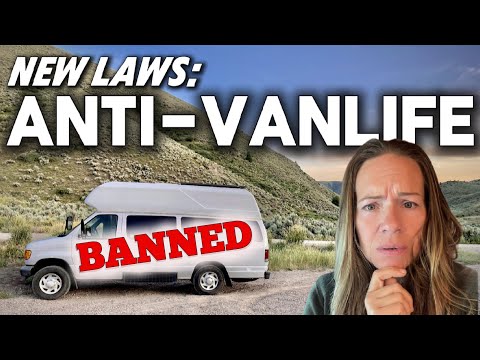
San Francisco's large-vehicle parking ban sweeps in housed van owners
Rule Changes San Francisco, CA localTwo-hour rule aimed at vehicle homelessness now tows campers and work vans
Today: The Standard reports housed owners caught in the netNew here? Follow stories to track developments over time. Create a free account to get updates when stories you care about change.
Overview
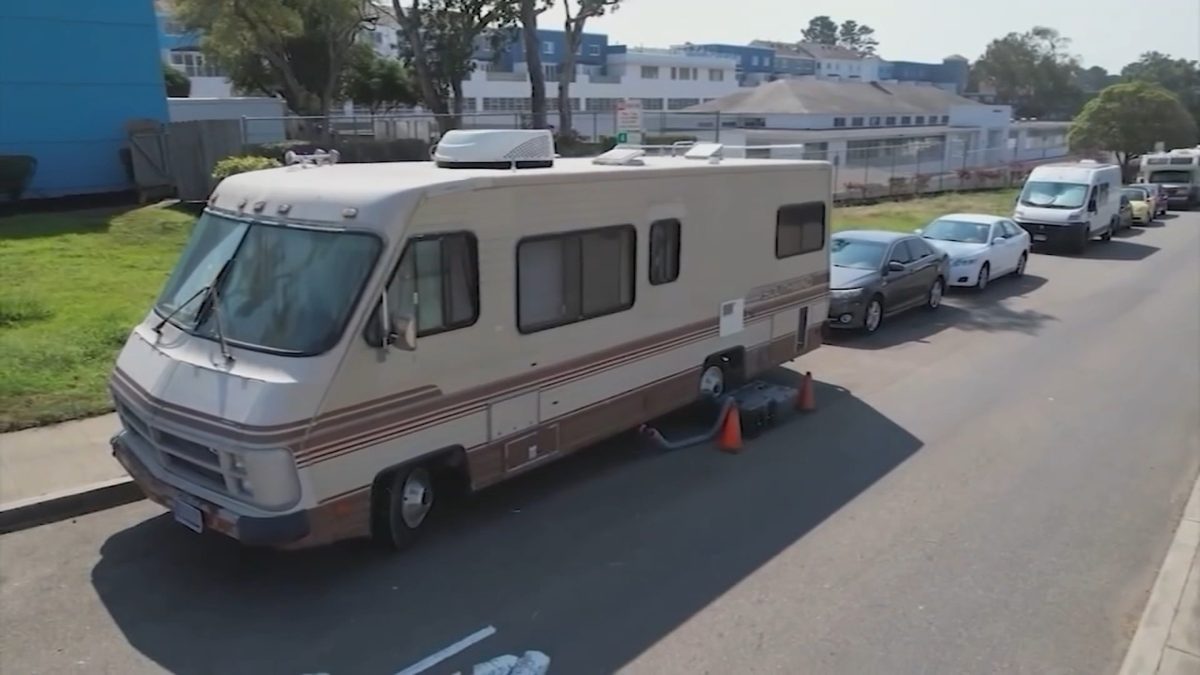
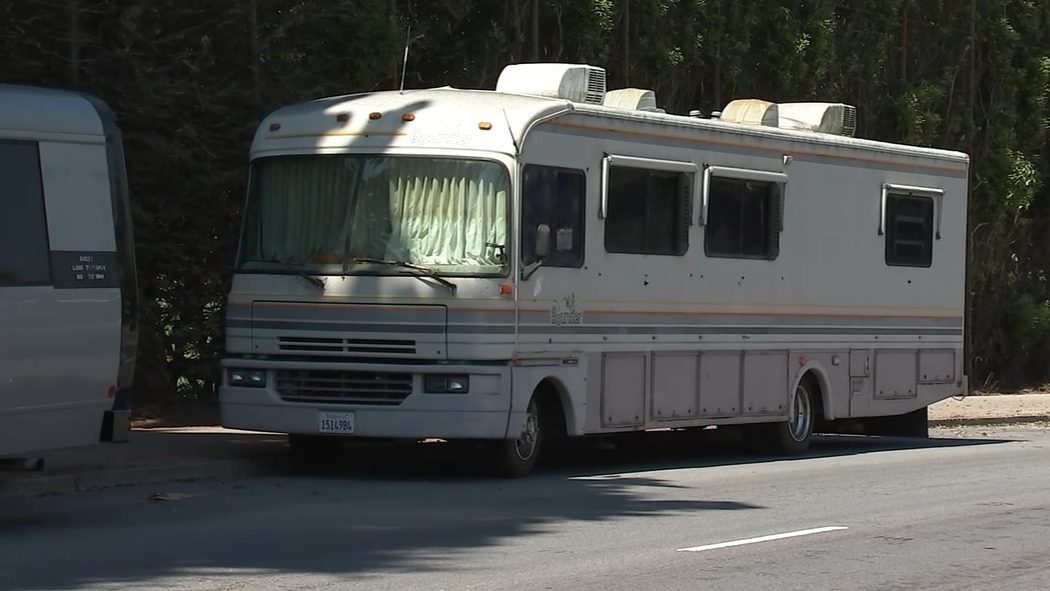
Updated 1 hour agoSan Francisco's two-hour parking limit on large vehicles, built to clear RVs used as homes, is towing people who never slept in them. Kyle Richards' camper van was towed twice in August, costing him more than $1,600. City complaint records show at least 28 housed vehicle owners told officials they were hit by the rule between November 2025 and July 2026.
The policy bars anything taller than 7 feet or longer than 22 feet from street parking for more than two hours. It has towed 360 vehicles, issued nearly 1,100 citations, and moved 221 households off the streets. But it makes no distinction between a home and a hobby, so a weekend Sprinter van gets the same treatment as an occupied RV.
Why it matters
If San Francisco keeps the rule as-is, thousands of housed cargo-van and camper owners face towing, fines, or forced moves out of the city.
Questions about this story
Free account needed to ask — your question is kept and asked for you right after sign-up. Answers are public.
No questions yet — be the first to ask.
Key Indicators
Voices
Curated perspectives — historical figures and your fellow readers.
Play
Exploring all sides of a story is often best achieved with Play.
Higher or Lower
A number from this story, against one from elsewhere in the news — guess which is bigger, then keep the chain going. 5 rounds, 3 strikes; a miss costs a strike and resets your streak.
Keyboard: ↓/L lower · ↑/H higher
0 points — sign up to put that on the leaderboard.
Connections
Sixteen names from the news. Find the four hidden groups of four. Four mistakes max.
Sign up to keep a daily streak — a new puzzle lands every day.
Exit debate?
Your progress in this debate will be lost.
- 1 Two AI personas square off on this story.
- 2 You predict who'll win each round — correct picks earn XP.
- 3 One crossfire question is yours to fire. Pick it carefully.
Couldn't generate a topic
Select Your Champions
Choose one persona for each side of the debate
DEBATE TOPIC
Choose personas with different perspectives for a more dynamic debate.
Select debater for this side:
No debate personas available right now.
Select debater for this side:
No debate personas available right now.
Who's Got This Round?
Make your prediction before the referee scores
The referee scores both sides on
Round Results
Set the Crossfire
Pick the question both personas must answer in the final round
Debate Oracle! You called every round!
Sharp Instincts! You know your debaters!
The Coin Flip Strategist! Perfectly balanced!
The Contrarian! Bold predictions!
Inverse Genius! Try betting the opposite next time!
XP Breakdown
Prediction History
People Involved
Organizations Involved
The agency that operates and enforces San Francisco's parking and street regulations.
The city agency coordinating the large-vehicle ordinance, including outreach, permits, and vehicle buybacks.
San Francisco's leading advocacy group for unhoused residents, founded in the 1980s.
Timeline
May 2025 September 2026
-
The Standard reports housed owners caught in the net
Today ReportInvestigation reveals at least 28 non-homeless owners notified the city of enforcement, most with high-roof cargo vans. City says it is reviewing cases.
-
Kyle Richards' van towed twice in Potrero Hill
EnforcementHoused owner's 7-foot-tall camper van hit with $1,600+ in towing costs on a street without residential permits.
-
Housed owners start filing complaints
GrievanceSunset resident Philip Walls writes that his family's Sprinter van is their sole vehicle and faces constant towing threat.
-
Two-hour parking limit takes effect
EnforcementEnforcement begins citywide; violators face $108 fines and towing. City had issued 327 refuge permits by this point.
-
Board of Supervisors approves large-vehicle ban 9-2
LegislationTwo-hour parking limit passed for vehicles over 7 feet tall or 22 feet long, paired with refuge permits for RV residents working toward housing.
-
City census counts 489 occupied RVs
DataEight-day count identifies large vehicles with people living in them, the basis for the refuge permit program.
Historical Context
3 moments from history that rhyme with this story — and how they unfolded.
Grants Pass v. Johnson (2024)
The U.S. Supreme Court ruled 6-3 that cities may enforce public camping bans even when shelter beds are full, rejecting arguments that such laws constitute cruel and unusual punishment under the Eighth Amendment.
Cities from San Jose to Los Angeles quickly ramped up enforcement sweeps, towing tents and vehicles and issuing citations at record rates. California saw a sharp rise in homeless-related arrests and citations.
The ruling shifted the national template on homelessness from shelter-first toward enforcement, normalizing ticketing and towing as policy tools. San Francisco's large-vehicle ban is a direct descendant of this logic.
The same legal reasoning that cleared tent encampments now justifies clearing RVs, which makes the housed-owner blowback a collision between a policy the city can legally enforce and the reality that the law sweeps in people it was never meant to target.
San Jose's Columbus Park sweep (2025)
San Jose cleared its largest homeless encampment at Columbus Park, offering residents about $2,000 for their RVs before towing them. Wayne Gardiner, 58, watched his home of 20 years hauled away, pulling his work tools from the RV as it rose onto the flatbed.
The city removed hundreds of lived-in vehicles and tents within weeks, clearing the park entirely.
It became a template for Bay Area cities pairing buyouts with enforcement: pay some owners cash, tow the rest, and let the housing system sort out who qualifies.
San Francisco's $175-per-foot RV purchase program and 154-vehicle buyback mirrors San Jose's approach. The key difference: San Francisco's rule also catches people who aren't homeless, and those owners don't have the option of a refuge permit or a caseworker.
San Francisco's RV safe-parking lot closure (2025)
San Francisco shut its only sanctioned RV lot, which cost about $4 million a year to service three dozen large vehicles and failed to transition residents into stable housing.
Residents lost a legal place to park, pushing more RVs onto regular city streets in the months before the two-hour rule took effect.
The closure removed the managed-parking alternative, leaving enforcement as the city's only tool for dealing with vehicular homelessness.
With the safe lot gone, the two-hour limit became a total ban on large-vehicle street parking. The city chose prohibition over management — and prohibition is a blunt instrument that hits weekend campers and work vans as hard as occupied RVs.
