


Pull to refresh
Logo
Madison Dearborn agrees to carve Peli BioThermal out of Pelican Products

Madison Dearborn agrees to carve Peli BioThermal out of Pelican Products

Money Moves

The Chicago buyout firm would run the temperature-controlled packaging maker as an independent company, with the deal expected to close in early 2027

Overview

Updated 47 minutes ago

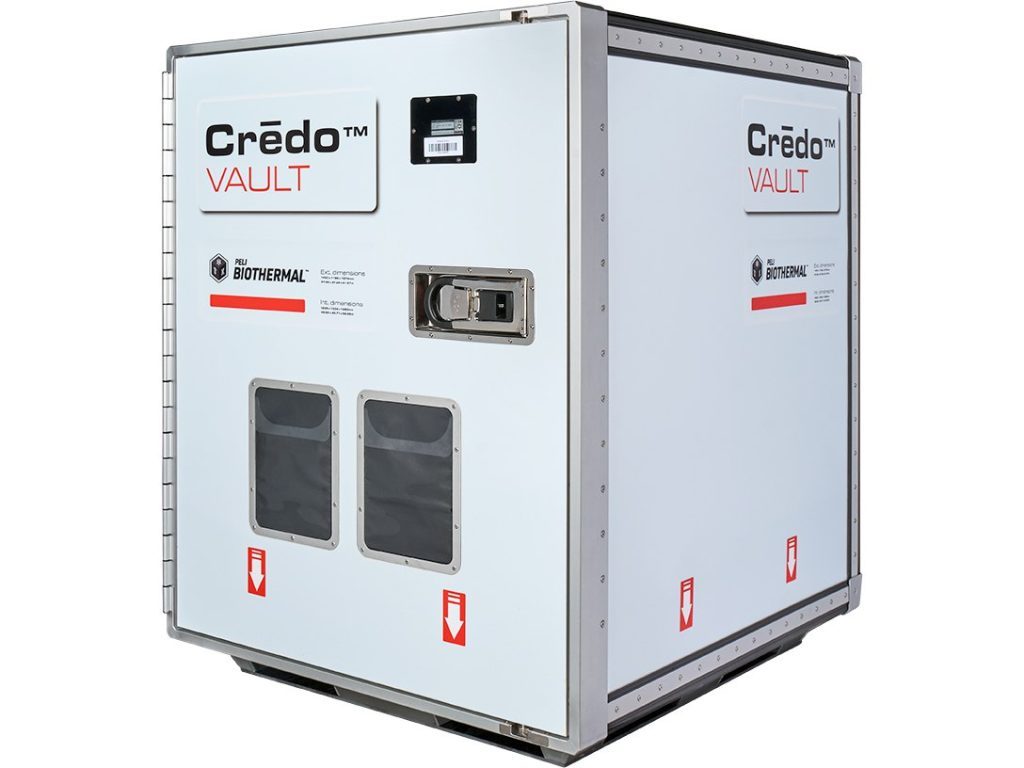
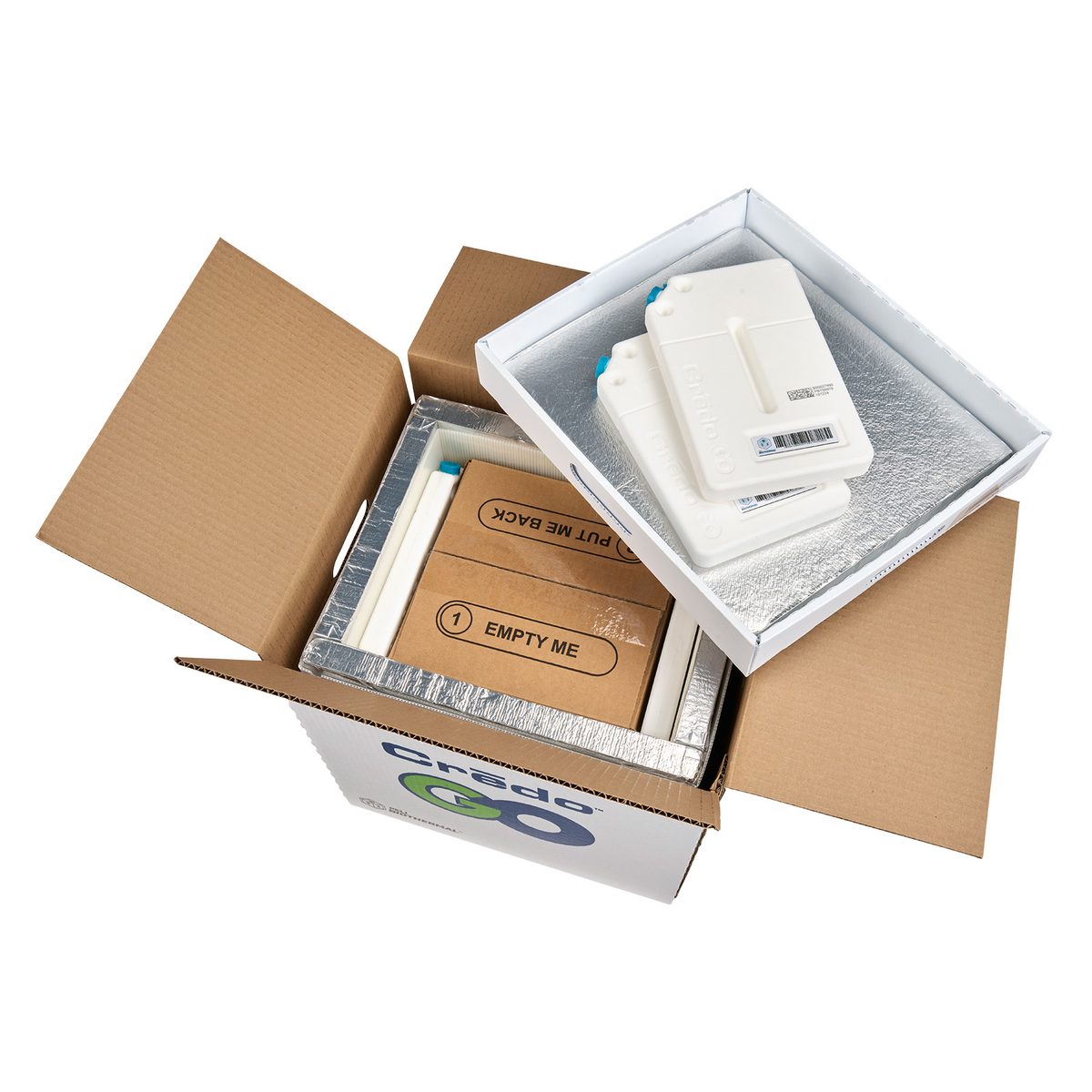
Madison Dearborn Partners signed a definitive agreement on November 23, 2026 to buy Peli BioThermal from Pelican Products, which Platinum Equity owns. Peli makes temperature-controlled shipping containers for pharmaceuticals, biologics, and cell and gene therapies, and serves customers in about 100 countries. After closing, it operates as a standalone company for the first time.

The sale moves a piece of pharmaceutical supply infrastructure from one private equity owner to another. MDP's healthcare team says the plan is more services, more products, and more acquisitions, with reliable cold chain delivery mattering more as therapies get more fragile. Financial terms were not disclosed.

Why it matters

Cell and gene therapies fail if a shipment warms in transit. Who owns the packaging network shapes how fast better shipping options reach patients.

Questions about this story

Free account needed to ask — your question is kept and asked for you right after sign-up. Answers are public.

No questions yet — be the first to ask.

Key Indicators

~100
Countries where Peli BioThermal serves customers
The company sells shippers and runs a service network across roughly 100 national markets.
2
Add-on acquisitions Peli completed under Platinum Equity ownership
The evo purchase from BioLife Solutions was the second bolt-on the business added inside Pelican.
Undisclosed
Purchase price
Neither side released financial terms for the carve-out.

Voices

Curated perspectives — historical figures and your fellow readers.

Sign up to generate historical perspectives on this story.

People Involved

Organizations Involved

Timeline

1 event Latest: Yesterday
  1. MDP signs deal to buy Peli BioThermal

    Latest Deal

    Madison Dearborn Partners agrees to acquire the cold chain packaging maker from Pelican Products; Peli will operate independently after closing.

Scenarios

1

MDP closes the purchase and Peli BioThermal starts operating independently

Likely Resolves by Q2 2027

Discussed by: Madison Dearborn Partners and Platinum Equity, both of which said in the November 23 announcement that closing is expected in early 2027

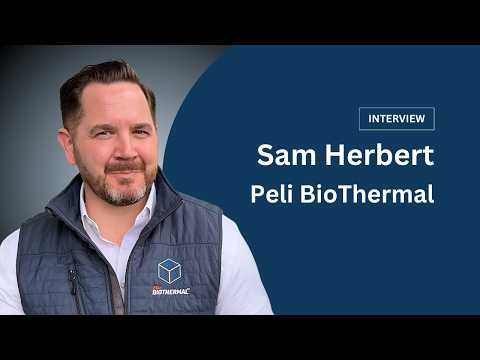
The agreement is a definitive one, meaning price and terms are settled. What remains is regulatory review and the mechanics of separating Peli's manufacturing and service network from Pelican's systems. If it clears, Peli begins 2027 as a standalone company with Sam Herbert as chief executive and MDP capital behind it.

2

Peli BioThermal makes its first add-on acquisition under MDP

Possible Resolves by Q2 2028

Discussed by: MDP's Tanner Scott and Jason Shideler, who said the firm will help Peli pursue new growth opportunities

Buyout firms rarely hold a carve-out as-is. The stated plan is more services and more products, and Peli already has a record of bolt-on purchases inside Pelican. A first acquisition as an independent company would show MDP is building scale before a future sale or listing.

3

The deal collapses before closing

Unlikely Resolves by Q2 2027

Discussed by: No public forecaster expects this; it is the standard tail risk for any transaction that needs regulatory approval

The agreement is subject to customary closing conditions and regulatory review, and deals of this size have failed before on antitrust or financing grounds. A termination would leave Peli inside Pelican and Platinum's portfolio, with the standalone plan shelved.

Historical Context

2 moments from history that rhyme with this story — and how they unfolded.

2014

Johnson & Johnson sells Ortho Clinical Diagnostics to Carlyle (2014)

Johnson & Johnson decided its blood-testing and transfusion unit no longer fit its portfolio. In 2014 it sold Ortho Clinical Diagnostics to the Carlyle Group for about $4 billion, and Carlyle ran the business as a standalone company.

Then

Carlyle cut costs and invested in the unit's testing instruments while it kept supplying hospitals and blood banks.

Now

Carlyle took Ortho public in 2020, and diagnostics maker Quidel merged with it in 2022. A division its parent didn't want became an independent public company.

Why this matters now

MDP is running a version of the same play with Peli: take a division out of a larger parent, stand it up alone, then find an exit.

2007-2014

Blackstone buys Catalent from Cardinal Health (2007)

Blackstone bought Catalent, a contract manufacturer that made pills and softgels for other companies' medicines, from Cardinal Health in 2007. It was a supplier to drugmakers rather than a drugmaker itself.

Then

Blackstone expanded manufacturing and pushed the business into biologic drug production, then took it public in 2014.

Now

Catalent grew into one of the largest contract drug manufacturers, and Novo Holdings agreed to buy it in 2024.

Why this matters now

It shows the long game behind deals like Peli's: private equity owns the suppliers that make and move medicines, builds them up, then exits.

Sources

(4)