



Pull to refresh
Logo
Daily Brief
Following
Why Ranks Sign Up
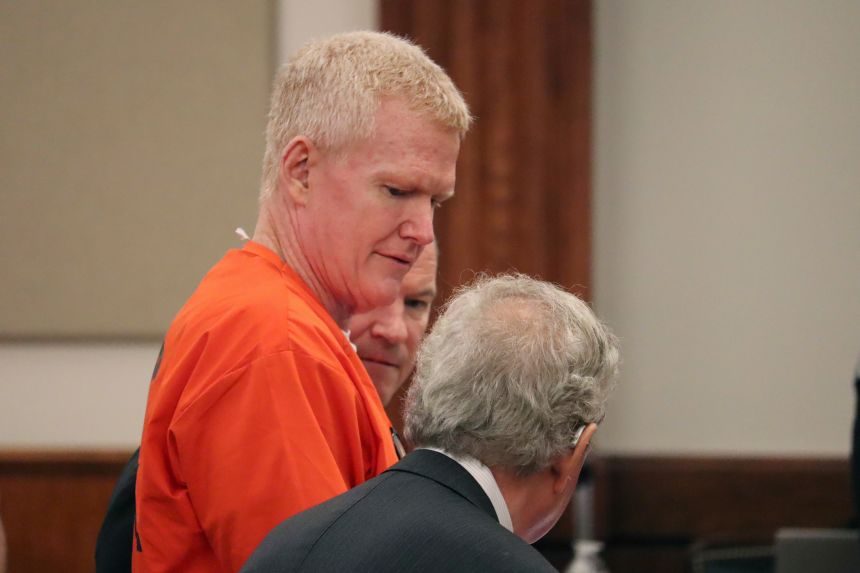
South Carolina Supreme Court overturns Alex Murdaugh murder convictions

South Carolina Supreme Court overturns Alex Murdaugh murder convictions

Rule Changes

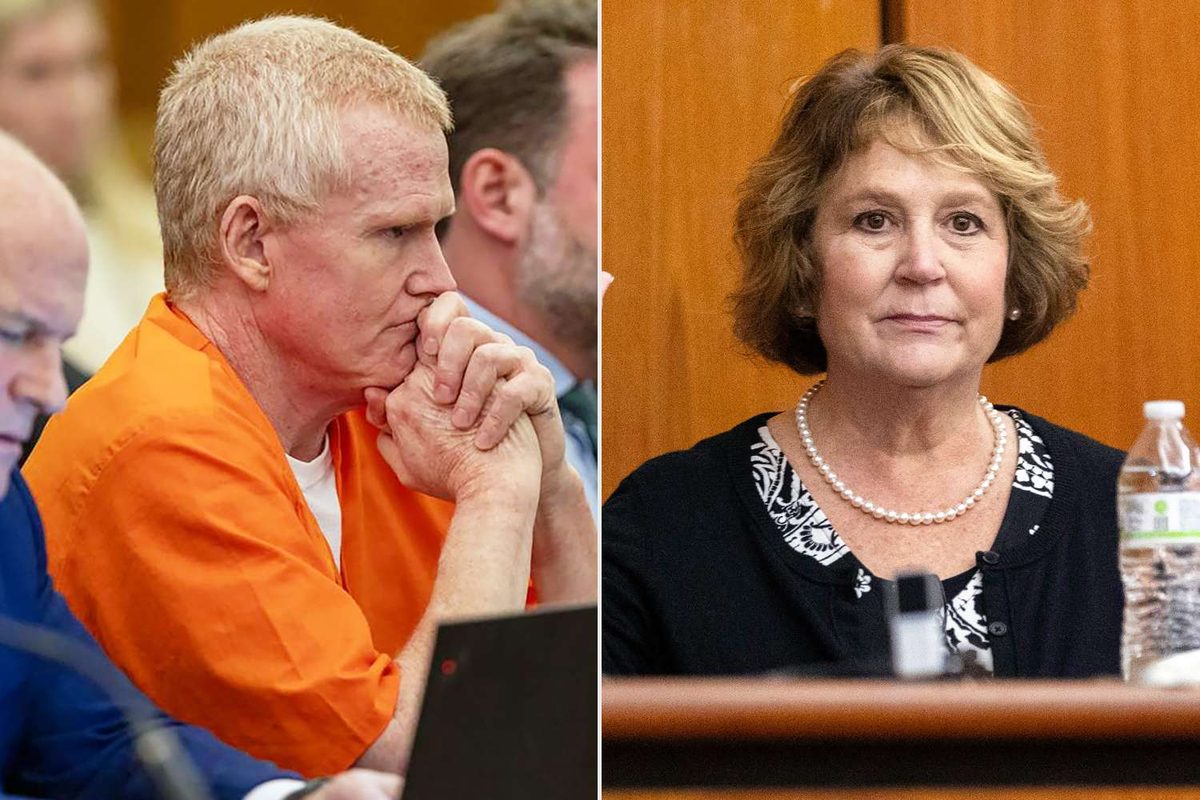
Court cites clerk's juror contact and improper admission of financial-crimes evidence

Yesterday: Convictions overturned

Overview

A South Carolina jury convicted Alex Murdaugh of double murder in March 2023. The state Supreme Court has now thrown out that verdict and ordered a new trial.

Why it matters

Prosecutors built the original case around Murdaugh's massive financial fraud; the retrial must proceed without that motive evidence.

Play on this story Voices Debate Predict

Key Indicators

Unanimous
South Carolina Supreme Court vote
All five justices voted to vacate both murder convictions.
6 weeks
Original trial length
The 2023 Walterboro trial ran from late January through early March.
40 years
Federal sentence still in effect
Murdaugh remains in federal prison on separate financial-crime charges.
2 counts
Murder convictions vacated
Both life sentences for the killings of his wife and son are gone.

Interactive

Exploring all sides of a story is often best achieved with Play.

Ever wondered what historical figures would say about today's headlines?

Sign up to generate historical perspectives on this story.

People Involved

Organizations Involved

Timeline

  1. Convictions overturned

    Legal

    The South Carolina Supreme Court unanimously vacates both murder convictions and orders a new trial, citing Hill's juror contacts and the admission of unrelated financial-crime evidence.

  2. Appeal moves to Supreme Court

    Legal

    Murdaugh's lawyers appeal Toal's ruling and the trial judge's evidentiary rulings to the South Carolina Supreme Court.

  3. Toal denies new trial

    Legal

    Toal finds Hill spoke improperly with jurors but rules the contact did not change their verdict.

  4. Tampering hearing held

    Legal

    Retired Chief Justice Jean Toal holds a two-day evidentiary hearing in Columbia. Jurors testify about Hill's comments.

  5. New-trial motion filed

    Legal

    Defense lawyers file affidavits from former jurors saying Hill pressured them and told them to disregard Murdaugh's testimony.

  6. Clerk publishes trial book

    Statement

    Becky Hill self-publishes 'Behind the Doors of Justice,' her account of running the courtroom.

  7. Guilty on all counts

    Legal

    The jury convicts Murdaugh after deliberating under three hours. Newman sentences him the next day to two consecutive life terms.

  8. Murder trial opens

    Legal

    The six-week trial begins in Walterboro before Judge Clifton Newman, with prosecutor Creighton Waters leading.

  9. Indicted for murder

    Legal

    A Colleton County grand jury indicts Murdaugh on two counts of murder.

  10. Law partners force Murdaugh out

    Investigation

    His Hampton firm fires Murdaugh after discovering he had been stealing client settlements.

  11. Roadside shooting

    Crime

    Murdaugh is shot in the head on a rural Hampton County road. Investigators later allege he arranged the wounding as part of a failed suicide-for-insurance scheme.

  12. Murders at Moselle

    Crime

    Maggie Murdaugh, 52, and son Paul, 22, are shot dead near the dog kennels at the family's hunting estate. Alex Murdaugh calls 911 saying he found them.

Scenarios

Predict which scenario wins. Contrarian picks score more — points lock in when the scenario resolves.

Log in to predict. Track your picks, climb the leaderboard. Log in Sign Up
1

Murdaugh convicted again at retrial

The state rebuilds its case on physical and digital evidence: cellphone video placing Murdaugh at the kennels minutes before the killings, GPS data from his Suburban, the family Blackout shotgun, and inconsistencies in his 911 call. Without the financial frauds in play, the motive theory shifts to a controlling man whose family was about to leave him. A second jury convicts.

Resolves by: 2028-12-31
Source: South Carolina Attorney General's office, Reuters
Discussed by: Court TV legal analysts, prosecutors quoted by Reuters
Consensus
2

Acquitted at retrial

Without the fraud evidence the motive case thins. Defense lawyers paint the cellphone, GPS, and ballistic record as circumstantial. Witness memories have faded across five years and key testimony is impeached on cross. The jury finds reasonable doubt.

Resolves by: 2028-12-31
Source: South Carolina court records, Reuters
Discussed by: Defense lawyer Joe Mcculloch and others who argued the financial evidence was load-bearing
Consensus
3

Plea deal reached before retrial

Prosecutors weigh the cost of a second six-week trial against Murdaugh's existing 40-year federal sentence. Defense offers a plea that adds state time on a reduced charge but avoids retrial. Both sides agree to lock in finality.

Resolves by: 2028-06-30
Source: South Carolina court filings
Discussed by: Former federal prosecutors interviewed by CBS News
Consensus
4

Charges dropped before retrial

After reviewing the case stripped of the financial-crime evidence, the AG's office concludes it cannot meet its burden a second time. The state dismisses the murder charges. Murdaugh keeps serving his federal sentence with state charges gone.

Resolves by: 2028-12-31
Source: South Carolina Attorney General announcement
Discussed by: Legal commentators at FITSNews and the Post and Courier
Consensus

Historical Context

Sam Sheppard murder case (1954-1966)

December 1954 - November 1966

What Happened

Cleveland osteopath Sam Sheppard was convicted in 1954 of murdering his pregnant wife Marilyn at their lakefront home. The trial drew saturation coverage. The judge let reporters fill the courtroom and refused to sequester the jury.

Outcome

Short Term

Sheppard served ten years in prison before the U.S. Supreme Court reversed his conviction in 1966, ruling the trial atmosphere had denied him due process.

Long Term

At his 1966 retrial, defended by F. Lee Bailey, Sheppard was acquitted. His case became the textbook example of how publicity and trial-court failures can taint a verdict.

Why It's Relevant Today

The Murdaugh trial was similarly saturated with media. The Supreme Court reversal turns on procedural failures the trial court should have prevented, the same logic that freed Sheppard.

Curtis Flowers prosecutions (1996-2020)

July 1996 - September 2020

What Happened

Mississippi prosecutor Doug Evans tried Curtis Flowers six times for the same 1996 quadruple murder. The cases produced four convictions, two hung juries, and decades of appeals over racial discrimination in jury selection.

Outcome

Short Term

The U.S. Supreme Court overturned Flowers's sixth conviction in 2019, citing Evans's pattern of striking Black jurors. Flowers was released later that year.

Long Term

Mississippi dismissed all charges in 2020. Flowers walked free after 23 years.

Why It's Relevant Today

Flowers shows what happens when a high-profile prosecution loses its evidentiary footing on appeal: each retrial gets harder. South Carolina's case against Murdaugh leaned on financial-crime evidence the new trial cannot use.

Sources

(4)