
Pull to refresh
Logo
Hochul vetoes New York food additive ban

Hochul vetoes New York food additive ban

Rule Changes New York, NY local

Bill would have banned potassium bromate, Red No. 3 and propylparaben and required disclosure of some ingredients.

Overview

Updated 57 minutes ago

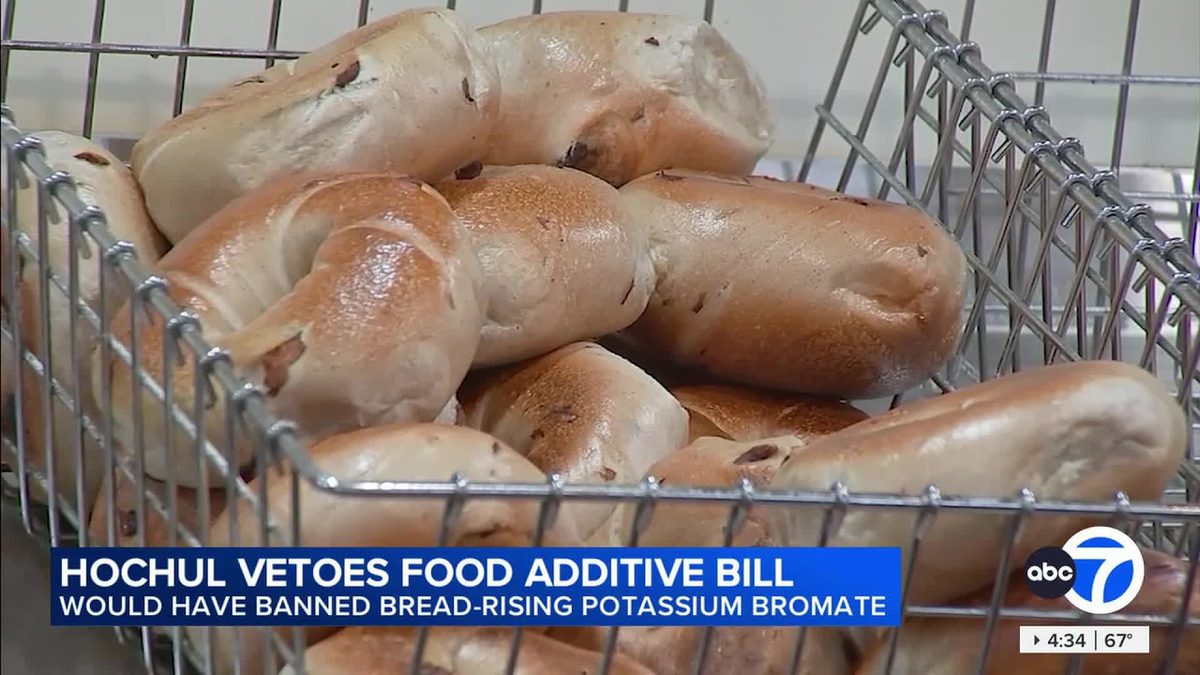
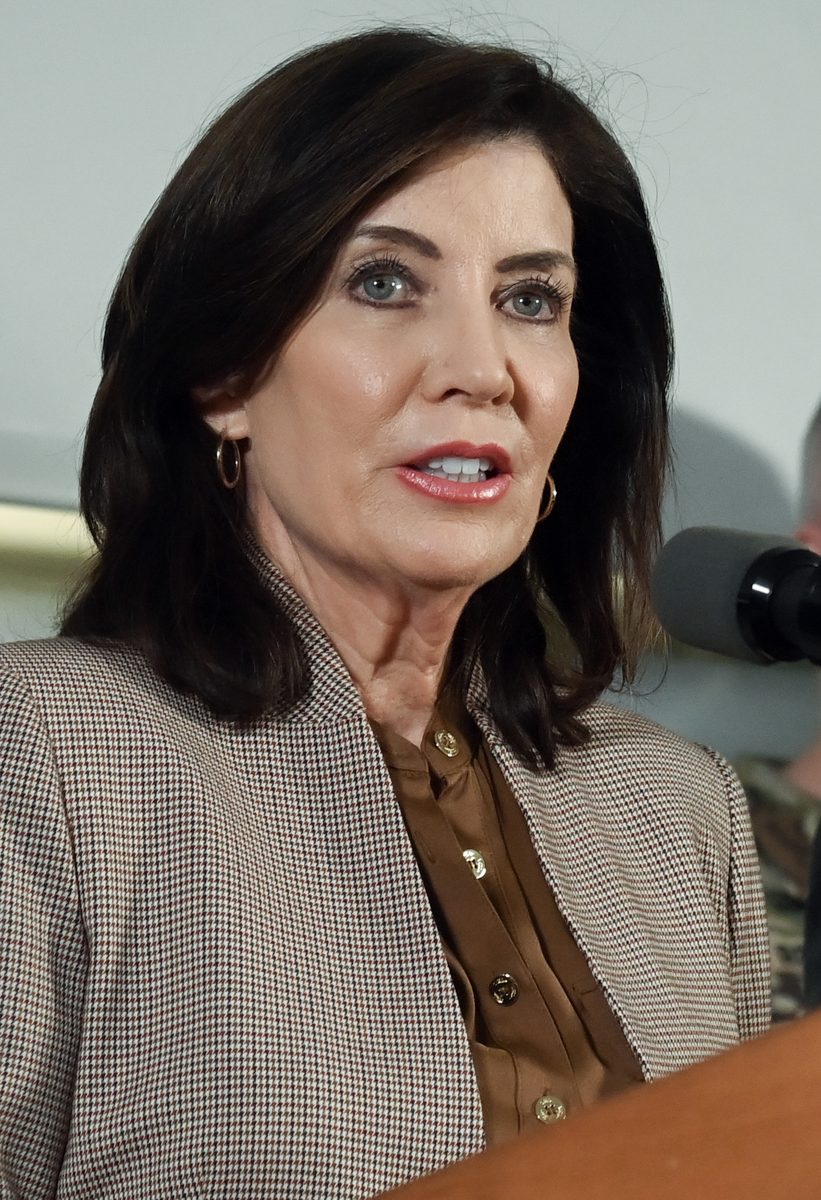
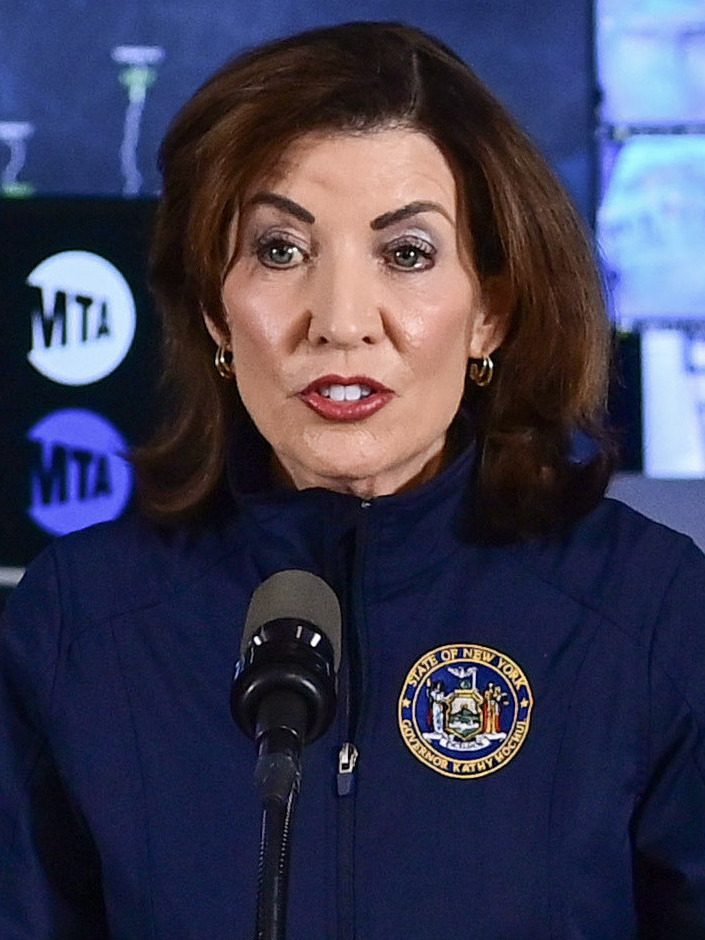
New Yorkers can keep buying bagels and pizza made with potassium bromate. Gov. Kathy Hochul vetoed a bill that would have banned that dough conditioner, along with the dye Red No. 3 and the preservative propylparaben, in foods sold in the state.

The veto ends, for now, a state-level attempt to regulate additives that federal regulators have addressed slowly. Supporters said the bill would protect consumers; opponents said it would raise costs and leave New York alone among states.

Why it matters

The veto keeps three additives legal in New York food and shifts the fight over chemical bans back to federal regulators and the next legislative session.

Last Monday's email for New York, NY

Sent Nov 16. It carried:

Get next Monday's: one short email a week. Free. Unsubscribe in one click.

Questions about this story

Free account needed to ask — your question is kept and asked for you right after sign-up. Answers are public.

No questions yet — be the first to ask.

Key Indicators

3
Additives targeted by the bill
Potassium bromate, FD&C Red No. 3 and propylparaben.
$21M
Industry-estimated cost
Consumer Brands Association estimate of regulatory and information technology costs.
106-32
Assembly vote
The bill passed the Assembly roughly along party lines.
Unanimous
Senate vote
The state Senate passed the bill without opposition in March.

Voices

Curated perspectives — historical figures and your fellow readers.

Sign up to generate historical perspectives on this story.

People Involved

Organizations Involved

Timeline

March 2026 November 2026

3 events Latest: Today
  1. Hochul vetoes food additive ban

    Today Veto

    Hochul rejects the bill, citing costs and a competitive disadvantage for New York businesses.

  2. Assembly passes bill 106-32

    Legislation

    The Assembly approved the measure roughly along party lines.

  3. State Senate passes additive ban unanimously

    Legislation

    The Senate approved the Food Safety and Chemical Disclosure Act without opposition.

Scenarios

1

New York lawmakers revive the additive ban in 2027

Possible Resolves by Q2 2027

Discussed by: Center for Science in the Public Interest; bill sponsors

The bill’s supporters say they will bring it back when the Legislature returns in January. If it passes again, Hochul would face the same cost objections, and a revised bill might narrow the ban or add flexibility for bakers.

2

FDA bans potassium bromate nationwide

Unlikely Resolves by End of 2027

Discussed by: Food safety advocates; Hochul’s office called for federal action

Hochul said food additive rules should be federal. The FDA could revoke potassium bromate’s authorization or set a phaseout, which would make the state debate moot for that ingredient.

3

Status quo holds on New York additives

Likely Resolves by End of 2027

Discussed by: Industry groups; Governor’s office

The veto stands and neither Albany nor Washington enacts a new ban. Potassium bromate, Red No. 3 and propylparaben remain legal in New York food, though Red No. 3 is already being phased out under federal rules.

Historical Context

2 moments from history that rhyme with this story — and how they unfolded.

1958

Food Additives Amendment (1958)

Congress created the “generally recognized as safe” category, letting ingredients with expert consensus skip FDA pre-market approval. The New York bill’s disclosure requirement targeted that gap.

Then

Manufacturers could use many ingredients without the same approval path as new additives.

Now

The GRAS category became a central loophole in federal food chemical oversight.

Why this matters now

The bill would have required companies to report GRAS ingredients to New York state, a direct response to that federal structure.

2025-2026

FDA Red No. 3 phaseout (2026)

The FDA moved to ban Red No. 3, with compliance beginning in January, as New York debated its broader additive bill. Studies had linked high doses of the dye to cancer in rats.

Then

Food makers began reformulating products that used the dye.

Now

The action gave states a federal benchmark for one additive but left potassium bromate and propylparaben without a nationwide ban.

Why this matters now

New York’s bill bundled Red No. 3 with two additives that lack federal bans, making it broader than the FDA’s action.

Sources

(4)