


December 1933
Prohibition repeal and state liquor licensing (1933)
The 21st Amendment ended nationwide Prohibition in December 1933 and gave each state power to control alcohol sales within its borders. New York set up a state-run licensing system to decide who could sell.
Then
A three-tier structure of producer, wholesaler, and retailer took hold, with state-issued licenses at each level.
Now
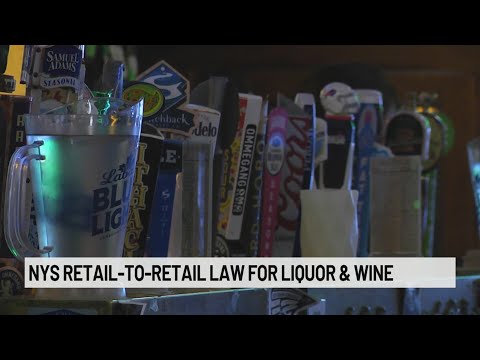
That structure persists: retail liquor stores still need a state license to operate, which is why an approval like this gates a store.
Why this matters now
It explains the mechanism at work in this record: a state agency, not local rules alone, decides whether a liquor store may open.