

Pull to refresh
Logo
New York extends restitution deadline for Alba Services workers

New York extends restitution deadline for Alba Services workers

Rule Changes New York, NY local

About 63% of nearly 700 eligible workers have filed claims against a $1.4 million settlement fund, the attorney general's office says.

Overview

Updated 3 hours ago

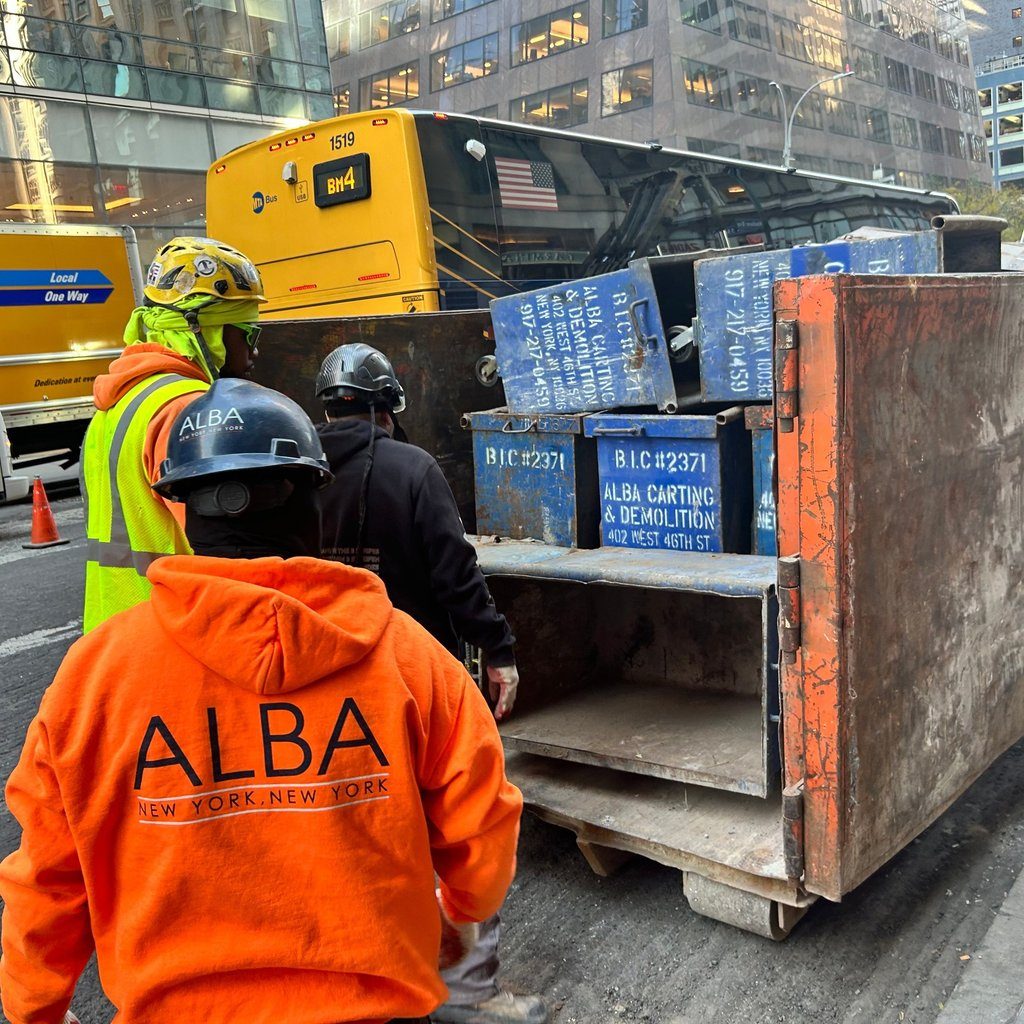
About 700 workers injured on Alba Services demolition sites between 2016 and 2024 can still claim part of a $1.4 million restitution fund. On Nov. 20, 2026, Attorney General Letitia James extended the filing deadline to Dec. 18 and said about 63% of eligible workers had already filed.

The money comes from a settlement reached in October 2025, after a 2022 investigation found the company hid injuries from the state Workers' Compensation Board and pressured workers not to claim benefits. Alba pays the restitution and accepts three years of state monitoring. Workers who miss the deadline are not scheduled to get another chance.

Why it matters

A third of nearly 700 injured workers have not claimed restitution the state says they are owed. Dec. 18 is the current last chance.

Last Monday's email for New York, NY

Sent Nov 16. It carried:

Get next Monday's: one short email a week. Free. Unsubscribe in one click.

Questions about this story

Free account needed to ask — your question is kept and asked for you right after sign-up. Answers are public.

No questions yet — be the first to ask.

Key Indicators

$1.4M
Restitution fund
Total Alba Services agreed to pay workers under the October 2025 settlement.
~700
Eligible workers
Current and former employees injured between 2016 and 2024 who can file a claim.
63%
Claims filed
Share of eligible workers who had filed as of the November 2026 extension.
$100K
Administrator cost
Separate payment Alba must make to the independent settlement administrator.
3 years
State oversight
Monitoring term the attorney general's office can extend to six years if violations continue.

Voices

Curated perspectives — historical figures and your fellow readers.

Sign up to generate historical perspectives on this story.

People Involved

Organizations Involved

Timeline

2016 November 2026

4 events Latest: Today
Tap a bar to jump to that date

Scenarios

1

Most eligible workers file before the December cutoff

Likely Resolves by Dec 19, 2026

Discussed by: Office of the New York State Attorney General

The extension appears aimed at the roughly third of eligible workers who had not filed by November 2026. The attorney general's office has promoted the deadline in English and Spanish and warned about impersonation scams, which points to outreach as the main obstacle rather than eligibility. If filings keep climbing, the fund distributes across close to the full eligible pool.

2

Restitution payments reach workers in 2027

Likely Resolves by Q3 2027

Discussed by: Settlement terms and the attorney general's office

Filing a claim is the first step; Atticus then processes submissions and the attorney general's office has discretion over individual payment amounts based on information Alba provides. The settlement already funds the administrator, so the machinery exists. What is not yet dated is when checks go out.

3

State oversight extends to six years

Possible Resolves by End of 2028

Discussed by: Settlement terms

The agreement gives the attorney general's office three years of monitoring, extendable to six if violations continue. Alba must file compliance reports twice a year covering injury reporting and workers' rights. Continued under-reporting or retaliation found in those reports is the trigger for an extension.

Historical Context

3 moments from history that rhyme with this story — and how they unfolded.

March 1911

Triangle Shirtwaist Factory fire (1911)

A fire at a Manhattan garment factory killed 146 workers, most of them immigrant women, after exits were locked during the shift. The owners had controlled what workers could report about conditions inside.

Then

Public outcry led to a state Factory Investigating Commission and a wave of new fire and workplace safety rules.

Now

New York adopted a workers' compensation law in 1914, shifting the cost of workplace injuries onto a state-run insurance system.

Why this matters now

It is the reference case for New York regulating workplace harm directly when employers control the information about it.

April 2010

Upper Big Branch mine disaster (2010)

An explosion at Massey Energy's West Virginia coal mine killed 29 miners. Investigators found the company had falsified safety records and pressured workers who reported hazards.

Then

Federal prosecutors opened a criminal investigation into the company's safety practices.

Now

Massey chief executive Don Blankenship was convicted in 2015 of conspiring to violate mine safety standards and sentenced to a year in prison.

Why this matters now

The violations that drew the heaviest punishment were the paperwork and the intimidation, not just the injuries.

December 1970

Occupational Safety and Health Act (1970)

Congress created a federal workplace safety regulator after years in which enforcement varied widely from state to state and many injuries went unreported.

Then

Federal inspectors gained authority to cite employers for unsafe conditions and require injury logs.

Now

Recordkeeping became the backbone of enforcement: an unreported injury is largely an unenforceable one.

Why this matters now

Alba's central violation was the same one the 1970 law targeted — concealing injuries by keeping them off the books.

Sources

(3)