



Pull to refresh
Logo
Daily Brief
Following
Why
Scientists achieve first sustained laboratory growth of human norovirus

Scientists achieve first sustained laboratory growth of human norovirus

New Capabilities
By Newzino Staff |

Baylor researchers solve five-decade cultivation barrier using chemokine-blocking drug

February 5th, 2026: Sustained Passage Breakthrough Achieved

Overview

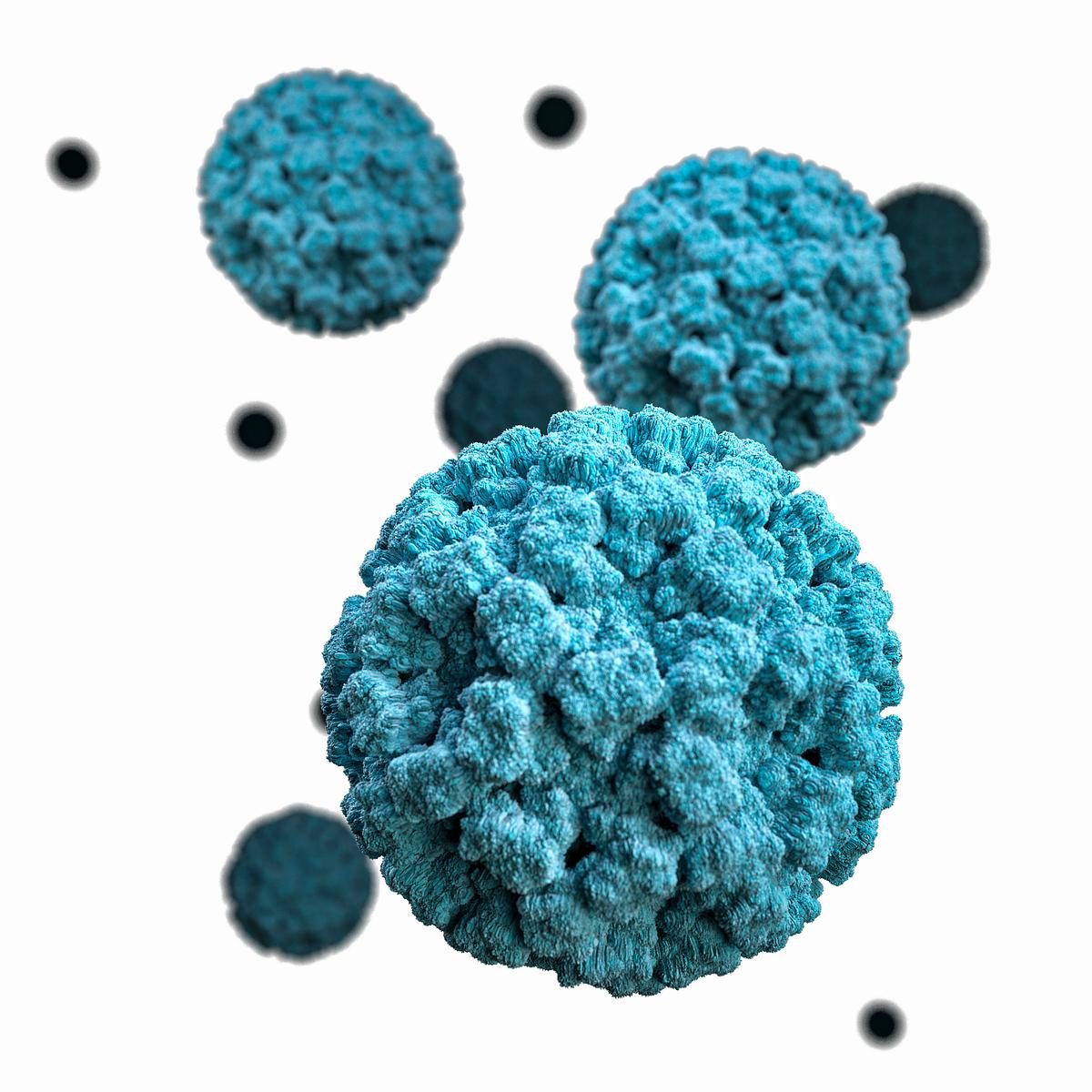
For nearly six decades, human norovirus has defied laboratory cultivation—making it impossible to develop effective vaccines against a pathogen that sickens 700 million people annually. Researchers at Baylor College of Medicine have now broken that barrier. By blocking chemokine signaling with a drug called TAK-779, the team achieved 10 to 15 consecutive rounds of viral replication in lab-grown human intestinal tissue, enabling production of stable virus stocks for the first time.

The breakthrough transforms what researchers can do. Instead of relying on unpredictable human stool samples, scientists can now generate consistent batches of infectious norovirus on demand—opening the door to comprehensive vaccine testing, antiviral drug screening, and detailed studies of how the virus attacks human cells. With norovirus killing more than 200,000 people each year, mostly in developing countries, the race to translate this capability into working vaccines has intensified.

Key Indicators

685M
Annual cases worldwide
Norovirus causes approximately 685 million episodes of diarrhea globally each year
212,000
Annual deaths
Most deaths occur in developing countries, particularly in Southeast Asia and Africa
10-15
Passages achieved
Previous attempts limited to 3-4 passages; TAK-779 enabled sustained replication
$64B
Global economic burden
Annual costs including healthcare expenses and lost productivity

Interactive

Exploring all sides of a story is often best achieved with Play.

Ever wondered what historical figures would say about today's headlines?

Sign up to generate historical perspectives on this story.

Sign Up

Debate Arena

Two rounds, two personas, one winner. You set the crossfire.

People Involved

Mary K. Estes
Mary K. Estes
Distinguished Service Professor, Baylor College of Medicine (Corresponding author on breakthrough study)
Gurpreet Kaur
Gurpreet Kaur
Graduate Student, Baylor College of Medicine (First author on breakthrough study)

Organizations Involved

Baylor College of Medicine
Academic Medical Center
Status: Institution where breakthrough was achieved

A private medical school and research institution in Houston, Texas, that houses the Estes laboratory and the Texas Medical Center Digestive Diseases Center.

Moderna
Moderna
Biotechnology Company
Status: Developing mRNA-based norovirus vaccine (Phase 3)

A biotechnology company developing an mRNA-based norovirus vaccine (mRNA-1403) currently in Phase 3 clinical trials.

HilleVax
HilleVax
Biotechnology Company
Status: Developing virus-like particle norovirus vaccines

A company developing virus-like particle vaccines for norovirus, including the bivalent HIL-214 and hexavalent HIL-216 candidates.

Timeline

  1. Sustained Passage Breakthrough Achieved

    Scientific Breakthrough

    Baylor researchers publish in Science Advances that TAK-779 enables 10-15 consecutive passages of human norovirus in enteroids, solving the serial cultivation problem.

  2. Pediatric Vaccine Trials Disappoint

    Clinical Trial

    Phase 2 trials of norovirus vaccines in infants and young children report insufficient efficacy, highlighting the challenge of generating protective immunity.

  3. Moderna Enters Phase 3 Trials

    Clinical Trial

    Moderna's mRNA-1403 norovirus vaccine candidate advances to Phase 3 clinical trials.

  4. HIL-214 Shows Adult Efficacy

    Clinical Trial

    HilleVax's bivalent vaccine demonstrates 61.8% protection against moderate to severe norovirus gastroenteritis in Phase 2b adult trial.

  5. First Successful Norovirus Cultivation

    Scientific Breakthrough

    Mary Estes's team at Baylor publishes in Science the first successful cultivation of human norovirus using human intestinal enteroids, ending a nearly 50-year barrier.

  6. Human Intestinal Organoid Technology Invented

    Scientific Breakthrough

    Hans Clevers's laboratory creates the first self-renewing intestinal organoid culture system, establishing the foundation for 'mini-gut' research.

  7. Norovirus First Identified

    Discovery

    Researchers identify norovirus as the cause of a gastroenteritis outbreak in Norwalk, Ohio, giving rise to the original name 'Norwalk virus.'

Scenarios

1

First Norovirus Vaccine Approved by 2030

Discussed by: Vaccine researchers and industry analysts following clinical trial progress

The cultivation breakthrough accelerates testing of existing vaccine candidates and enables development of improved versions. One or more vaccines—likely Moderna's mRNA candidate or HilleVax's virus-like particle vaccines—achieve regulatory approval within four years, initially for adults in developed markets. Pediatric formulations follow as researchers use the new cultivation system to understand why children's immune responses differ.

2

Effective Antiviral Drugs Emerge Within Five Years

Discussed by: Pharmaceutical researchers noting current lack of approved norovirus antivirals

The ability to generate consistent viral stocks enables high-throughput drug screening that was previously impossible. Multiple antiviral candidates advance through clinical trials, with the first approved treatments emerging for immunocompromised patients who suffer chronic norovirus infections. Nitazoxanide's failure in recent trials is superseded by more targeted therapies.

3

Immune Evasion Discovery Delays Vaccines

Discussed by: Virologists studying norovirus genetic diversity and antigenic variation

Sustained cultivation reveals previously unknown mechanisms by which norovirus evades immune responses, similar to discoveries that complicated influenza vaccine development. The virus's genetic diversity—with multiple genotypes circulating simultaneously—proves harder to address than anticipated. Vaccines providing narrow protection require frequent reformulation, limiting global impact.

4

Developing Country Deployment Remains Years Away

Discussed by: Global health organizations tracking norovirus mortality in low-income settings

Even successful vaccines face distribution challenges. Cold chain requirements, cost barriers, and competing public health priorities delay deployment in Southeast Asia and Africa—where 85% of norovirus deaths occur. The gap between scientific breakthrough and equitable global access mirrors patterns seen with rotavirus vaccines, which took over a decade to reach low-income countries after initial approval.

Historical Context

Rotavirus Vaccine Development (1998-2006)

1998-2006

What Happened

The first rotavirus vaccine, RotaShield, was licensed in 1998 but withdrawn in 1999 after rare cases of intussusception (a serious bowel condition). Eight years of additional research followed before Rotarix and RotaTeq were approved in 2006, having been tested in trials of over 60,000 infants each.

Outcome

Short Term

The RotaShield withdrawal set back prevention efforts by nearly a decade and heightened scrutiny of gastrointestinal virus vaccines.

Long Term

Rotavirus vaccines are now used in over 100 countries. In early-adopting nations like Mexico, rotavirus death rates in young children dropped by more than 65% within three years of introduction.

Why It's Relevant Today

Norovirus vaccine development faces similar challenges: ensuring safety across age groups, achieving efficacy against multiple strains, and navigating the regulatory process for a pathogen that causes mucosal rather than systemic infection. The rotavirus precedent shows both the potential impact and the timeline—roughly a decade from first human trials to global deployment.

HIV Cultivation Breakthrough (1983-1984)

1983-1984

What Happened

For years after AIDS emerged, researchers struggled to grow the causative virus in the laboratory. In 1983-1984, teams led by Luc Montagnier and Robert Gallo independently achieved sustained HIV cultivation, enabling diagnostic test development and drug screening that had been impossible with limited viral material.

Outcome

Short Term

The first HIV diagnostic tests were developed within a year of cultivation success, transforming blood supply safety.

Long Term

Sustained cultivation enabled the drug screening that produced AZT and subsequent antiretrovirals, turning HIV from a death sentence into a manageable chronic condition.

Why It's Relevant Today

Like norovirus before 2016, HIV initially resisted laboratory cultivation, limiting what researchers could learn. The parallel illustrates how solving the cultivation problem can rapidly accelerate both basic research and therapeutic development—though it took over a decade from HIV cultivation to effective treatment regimens.

Hepatitis C Cultivation and Drug Development (1989-2011)

1989-2011

What Happened

Hepatitis C virus was identified in 1989 but could not be grown reliably in laboratory culture for nearly two decades. In 2005, researchers achieved the first robust cell culture system; by 2011, the first direct-acting antivirals were approved, and by 2014, cure rates exceeded 95%.

Outcome

Short Term

The cultivation breakthrough enabled rapid screening of antiviral compounds that had accumulated during years of waiting.

Long Term

Hepatitis C went from incurable to curable within a decade of achieving laboratory cultivation, demonstrating how solving the 'can we grow it' problem can unlock therapeutic breakthroughs.

Why It's Relevant Today

The hepatitis C timeline—16 years from identification to cultivation, then 6 years to cure—offers a template for norovirus. The 2016 cultivation breakthrough started that clock; the 2026 serial passage advance may accelerate it by enabling the large-scale virus production needed for industrial vaccine and drug development.

10 Sources: