
Pull to refresh
Logo
Norway's supreme court voids three North Sea oil permits over unassessed emissions

Norway's supreme court voids three North Sea oil permits over unassessed emissions

Rule Changes

A 6-5 plenary ruling forces the energy ministry to reassess Breidablikk, Tyrving and Yggdrasil, but production continues

Overview

Updated 50 minutes ago

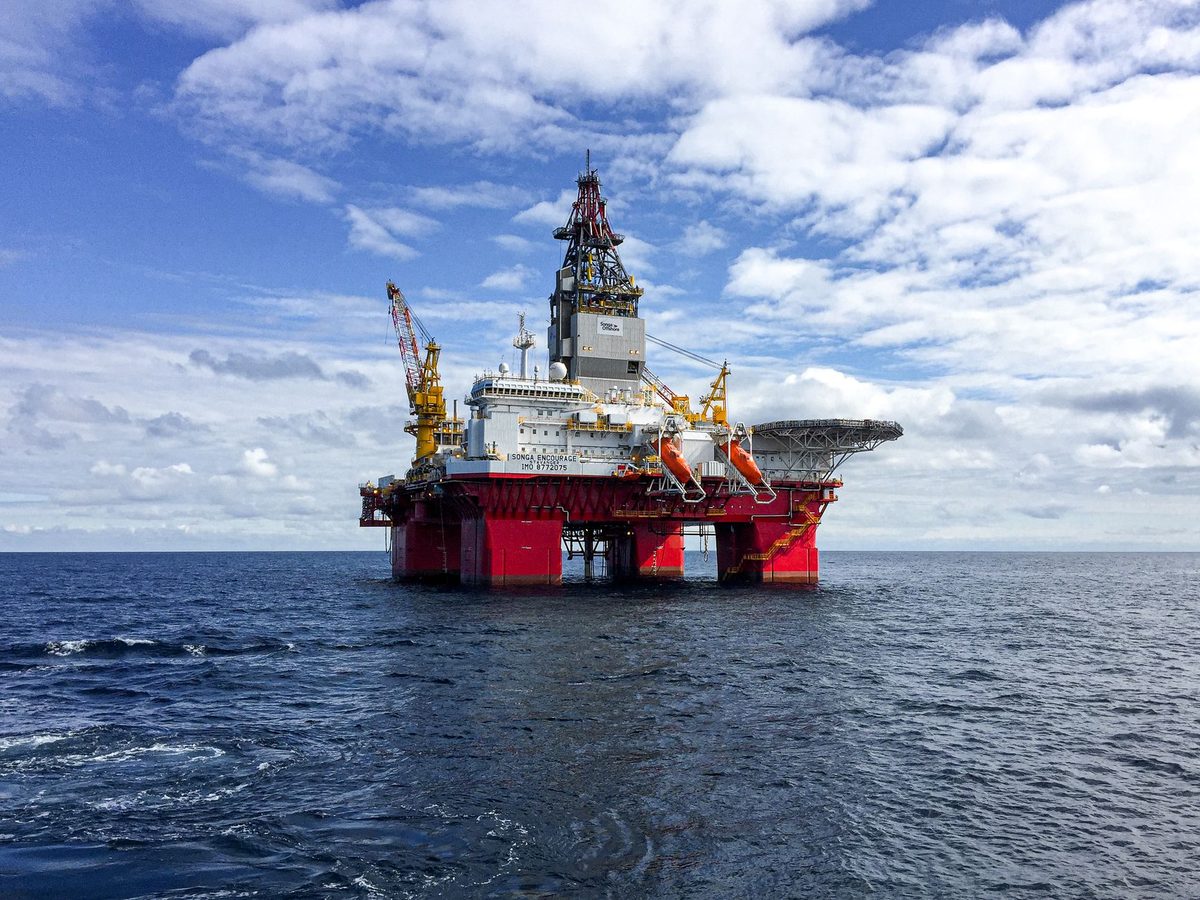
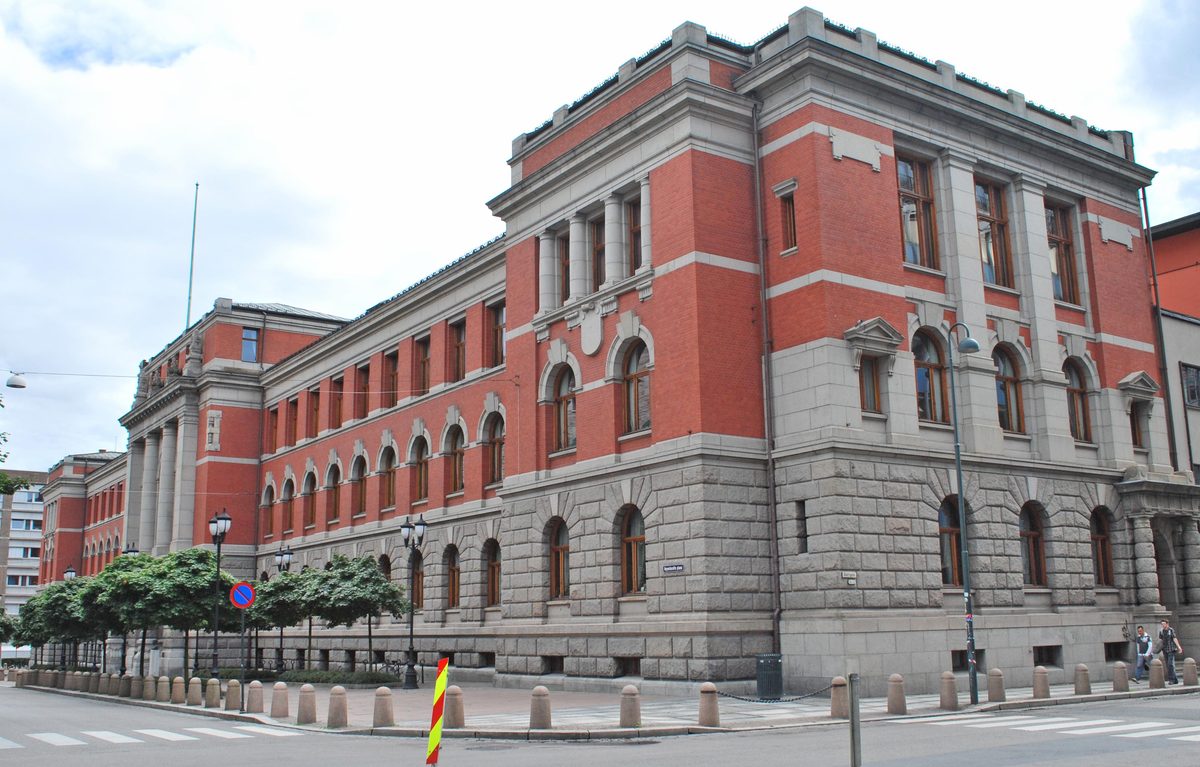
Norway's Supreme Court ruled 6-5 on 13 November 2026 that the development permits for three North Sea oil and gas fields are invalid. The court found the state never assessed the climate impact of burning the fuel those fields produce, emissions that mostly occur outside Norway. The fields are Breidablikk, Tyrving and Yggdrasil.

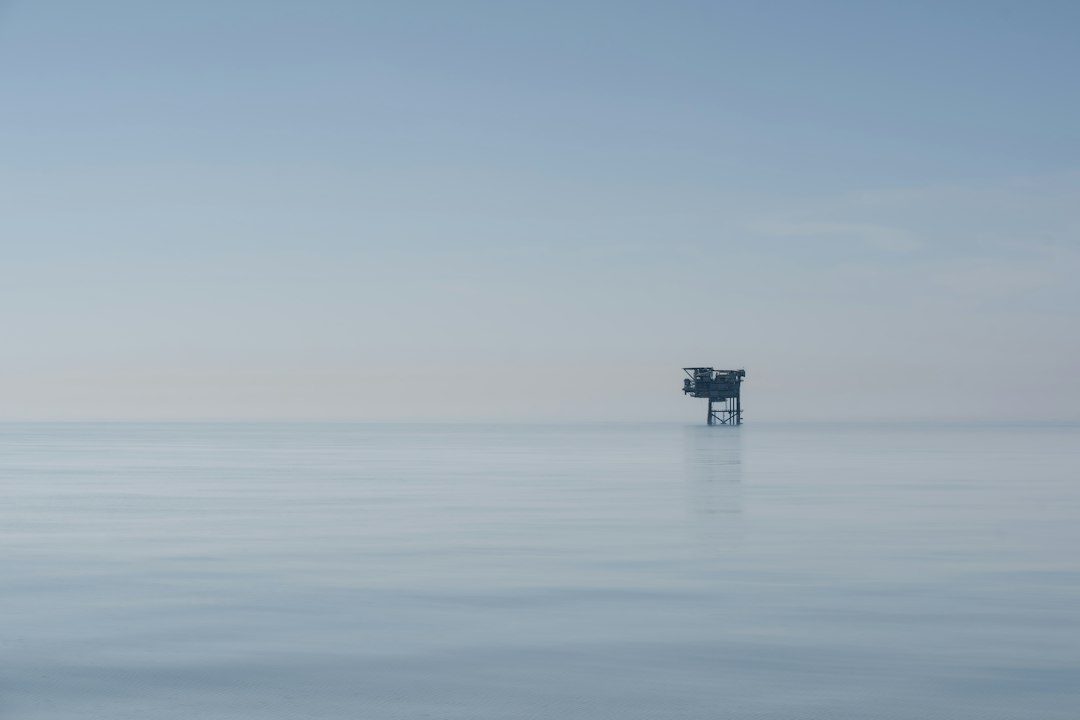
The ruling does not stop production. Breidablikk and Tyrving are already pumping, and Yggdrasil is under construction. But the Ministry of Energy must now redo each approval, this time counting combustion emissions. That makes the permitting process for every future field stricter.

Why it matters

Norway is one of Europe's largest oil and gas producers. Counting combustion emissions in every permit raises the bar for the whole sector.

Questions about this story

Free account needed to ask — your question is kept and asked for you right after sign-up. Answers are public.

No questions yet — be the first to ask.

Key Indicators

3
Field permits voided
Breidablikk, Tyrving and Yggdrasil had their development approvals declared invalid.
6
Judges in the majority (of 11)
The plenary court split 6-5, with five judges dissenting.
2
Fields already producing
Breidablikk and Tyrving are pumping; Yggdrasil is still under construction.
NOK 5M+
Legal costs the state must pay
The state must cover the environmental groups' costs, over 5 million kroner.

Voices

Curated perspectives — historical figures and your fellow readers.

Sign up to generate historical perspectives on this story.

People Involved

Organizations Involved

Timeline

2023 November 2026

5 events Latest: Yesterday
Tap a bar to jump to that date

Scenarios

1

Ministry reissues all three permits after Scope 3 review

Likely Resolves by End of 2027

Discussed by: Norwegian Ministry of Energy; Reuters

Energy Minister Terje Aasland said the state would correct the errors 'as soon as possible' and did not expect production to be affected. The ministry would redo each approval with combustion emissions counted, then reissue the permits. This is the path the government has signalled it intends to take.

2

Court orders production pause on the three fields

Possible Resolves by Q2 2027

Discussed by: Greenpeace Nordic; Natur og Ungdom; NRK

The environmental groups have repeatedly sought a temporary injunction to halt output while the case continues. An earlier attempt failed, and the injunction question was split off for a fresh hearing at the Borgarting Court of Appeal. If granted, it would stop production or construction on at least one field.

3

Yggdrasil start-up slips past summer 2027

Unlikely Resolves by End of 2027

Discussed by: Aker BP; Reuters

Aker BP said it expected Yggdrasil, the largest of the three fields, to start as planned next summer. The ruling does not bind the company, but a prolonged reassessment or a court-ordered pause could push the schedule. A slip would show the ruling's indirect cost even without a formal production stop.

Historical Context

3 moments from history that rhyme with this story — and how they unfolded.

April 2007

Massachusetts v. Environmental Protection Agency (2007)

The U.S. Supreme Court ruled 5-4 that carbon dioxide is a pollutant under the Clean Air Act, and that the Environmental Protection Agency had to give a reason if it refused to regulate it. Twelve states and several cities had sued the agency.

Then

The EPA was forced to regulate greenhouse gases from vehicles.

Now

The ruling became the legal basis for later federal climate rules and set a template for courts reviewing agency inaction on emissions.

Why this matters now

It established that a regulator cannot approve or ignore a project without accounting for the emissions it causes, the principle Norway's court applied to field permits.

June 2015 - December 2019

Urgenda Foundation v. Netherlands (2015-2019)

A Dutch foundation sued the state for insufficient climate action. The Hague District Court ordered the government to cut emissions 25% below 1990 levels by 2020, and the Supreme Court upheld the order in 2019.

Then

The Dutch government had to accelerate its emission cuts.

Now

It was the first case in which a court ordered a state to meet a specific climate target, and it inspired similar suits across Europe.

Why this matters now

It showed that courts can treat climate commitments as legal duties, the path Norway's plaintiffs followed.

April 2024

KlimaSeniorinnen v. Switzerland (2024)

The European Court of Human Rights ruled that Switzerland violated the rights of a group of older women by failing to do enough on climate change. It was the court's first climate ruling.

Then

Switzerland was ordered to set stronger climate targets.

Now

The ruling opened the door to human-rights-based climate claims across the Council of Europe.

Why this matters now

It is part of the same wave of litigation that produced Norway's Scope 3 ruling.

Sources

(9)