

Pull to refresh
Logo
Oklahoma City council to vote on demolishing five dilapidated structures

Oklahoma City council to vote on demolishing five dilapidated structures

Built World Oklahoma City, OK local

Public hearing Tuesday could order razing within a day; owners can speak first

Today: City publishes Sept. 15 agenda with five dilapidation cases

Overview

Updated 1 hour ago

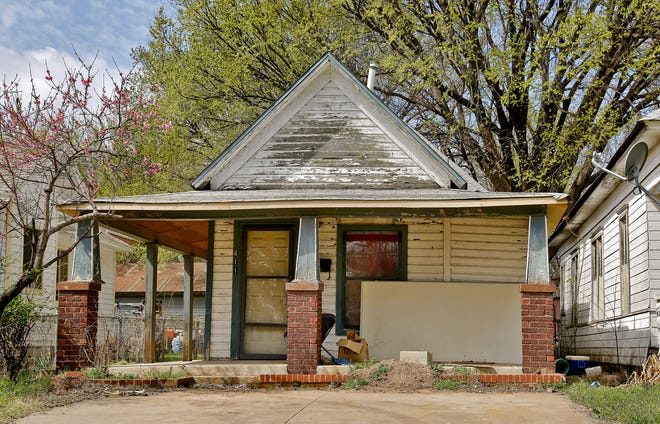
The Oklahoma City Council will decide Tuesday whether to declare five structures—a shed, two houses, and two rear dwellings across four wards—dilapidated. Owners and neighbors get to speak first at a public hearing.

State law, Title 11 Section 22-113 of the Oklahoma Statutes, lets cities demolish buildings determined dilapidated. If the council passes the pre-drafted resolution, demolition can start Sept. 16, and the owner pays the bill, with the cost becoming a property lien if unpaid.

Why it matters

Oklahoma City can tear down all five buildings within days of Tuesday's vote, billing owners the full cost through property liens.

Questions about this story

Free account needed to ask — your question is kept and asked for you right after sign-up. Answers are public.

No questions yet — be the first to ask.

Key Indicators

5
Structures facing demolition
One shed, two houses, and two rear dwellings across four wards.
4
City council wards affected
Wards 4, 6, 7, and 8 each have at least one property on the list.
2
Days until the public hearing
Agenda published Sept. 12; hearing set for Sept. 15.
Sept 16 / Oct 1
Scheduled demolition dates
Demolition can begin the day after the hearing or by Oct. 1.

Voices

Curated perspectives — historical figures and your fellow readers.

Ever wondered what historical figures would say about today's headlines?

Sign up to generate historical perspectives on this story.

Play

Exploring all sides of a story is often best achieved with Play.

Most of these play right now — no account needed. Sign up to save scores, keep a streak, and unlock Debate and Predict. Log in Sign Up
Predict 3 ways this could play out. Back the one you believe — contrarian picks score more when a scenario has a resolution date. Log in to play

People Involved

Organizations Involved

Timeline

September 2026 October 2026

4 events Latest: Today
Tap a bar to jump to that date
  1. City council holds public hearing on five structures

    Upcoming Public Hearing

    Owners and residents can testify before the council votes on the demolition resolution.

  2. City publishes Sept. 15 agenda with five dilapidation cases

    Today Notice

    Agenda lists a public hearing on a shed, two houses, and two rear dwellings across wards 4, 6, 7, and 8.

Scenarios

1

Oklahoma City approves demolition of all five structures

Likely Resolves by Sep 22, 2026

Discussed by: The pre-drafted resolution on the agenda; the routine outcome in OKC code enforcement

The council hears testimony, then passes the resolution declaring all five structures dilapidated. Demolition starts Sept. 16 or Oct. 1. Owners receive the bill, and unpaid costs become property liens, which can lead to foreclosure if left unpaid.

2

Owners win a reprieve on one or more properties

Possible Resolves by Oct 15, 2026

Discussed by: Standard practice; councils regularly defer items when owners propose repairs or appear

One or more owners attend the hearing, present a repair plan, or dispute the finding. The council defers that item or votes it down, letting the owner fix the structure within a set period instead of demolishing it.

3

Owner appeals demolition to district court

Unlikely Resolves by End of 2026

Discussed by: Rare but available; state law permits an appeal of the dilapidation finding

A property owner files a timely appeal to Oklahoma County District Court, pausing demolition for that property while the case is heard. The other four structures proceed on schedule.

Historical Context

2 moments from history that rhyme with this story — and how they unfolded.

1949–1970s

U.S. urban renewal (1949–1970s)

The Housing Act of 1949 funded 'slum clearance,' tearing down whole neighborhoods across American cities, often displacing Black residents who had difficulty finding housing elsewhere.

Then

Entire communities were razed; displaced residents were frequently undercompensated.

Now

Federal policy shifted toward rehabilitation over clearance, and the era left a lasting distrust of government-ordered demolition.

Why this matters now

Demolition of 'dilapidated' housing has historically landed hardest on low-income owners. Today's hearings preserve due process, but the power to force demolition remains.

2014–2019

Detroit blight removal (2014–2019)

Detroit demolished over 12,000 abandoned homes using federal Hardest Hit Fund dollars, part of Mayor Mike Duggan's effort to clear blight and stabilize neighborhoods where abandonment had crushed property values.

Then

Thousands of vacant structures came down, but the program drew criticism over which houses were chosen and whether demolition helped residents or merely erased affordable housing stock.

Now

Demolition became the default response to blight in distressed cities, shaping how urban renewal is debated today.

Why this matters now

Same tool and same tension: mass demolition of dilapidated housing to lift neighborhoods, with property owners who bear the cost or lose the building.

Sources

(1)