
Pull to refresh
Logo
Oklahoma City council to decide Western Avenue district assessment

Oklahoma City council to decide Western Avenue district assessment

Rule Changes Oklahoma City, OK local

Property owners get one hearing to challenge the 2026-2027 special levy before it's billed

Today: City posts Western Avenue BID assessment item

Overview

Updated 1 hour ago

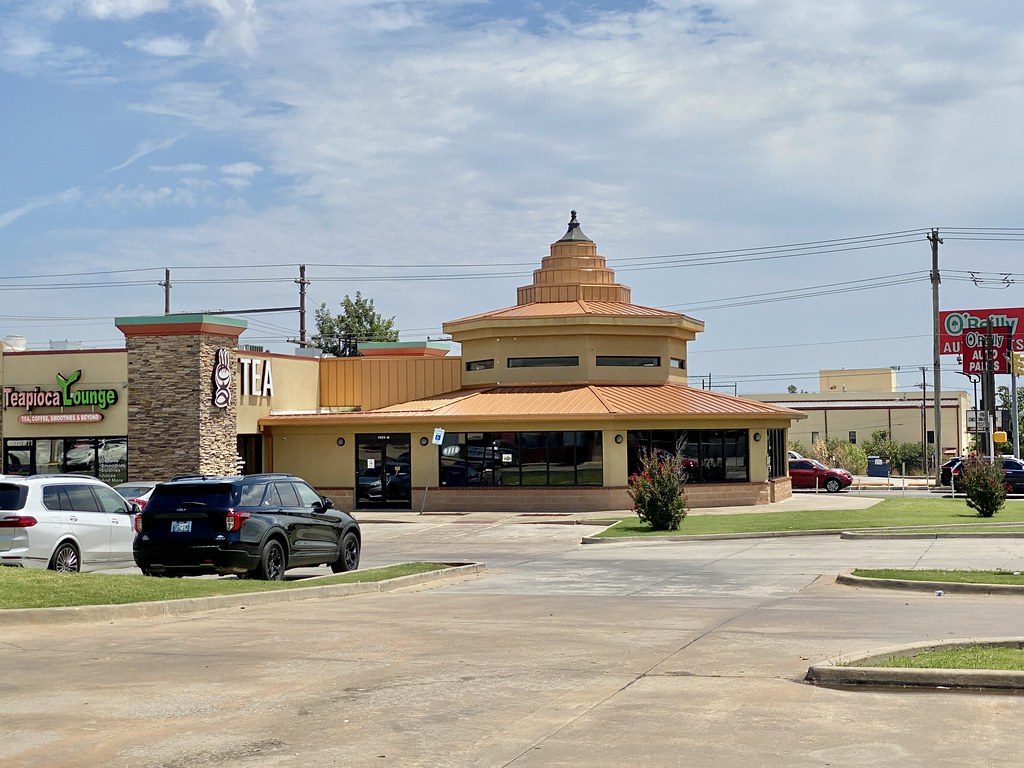
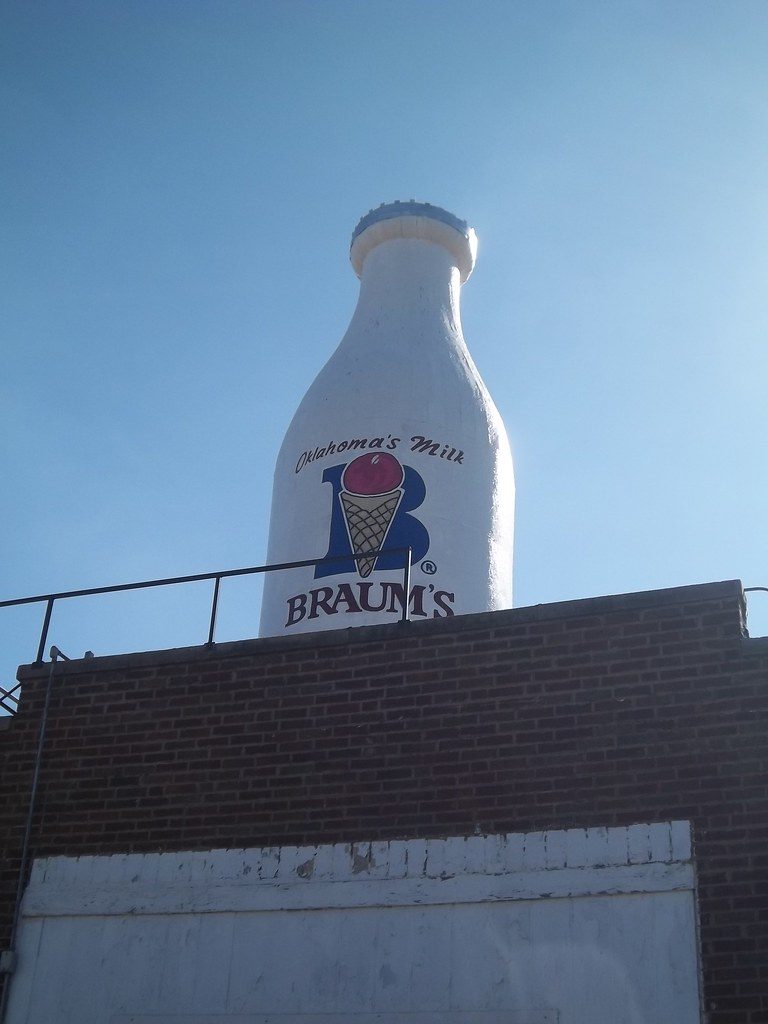
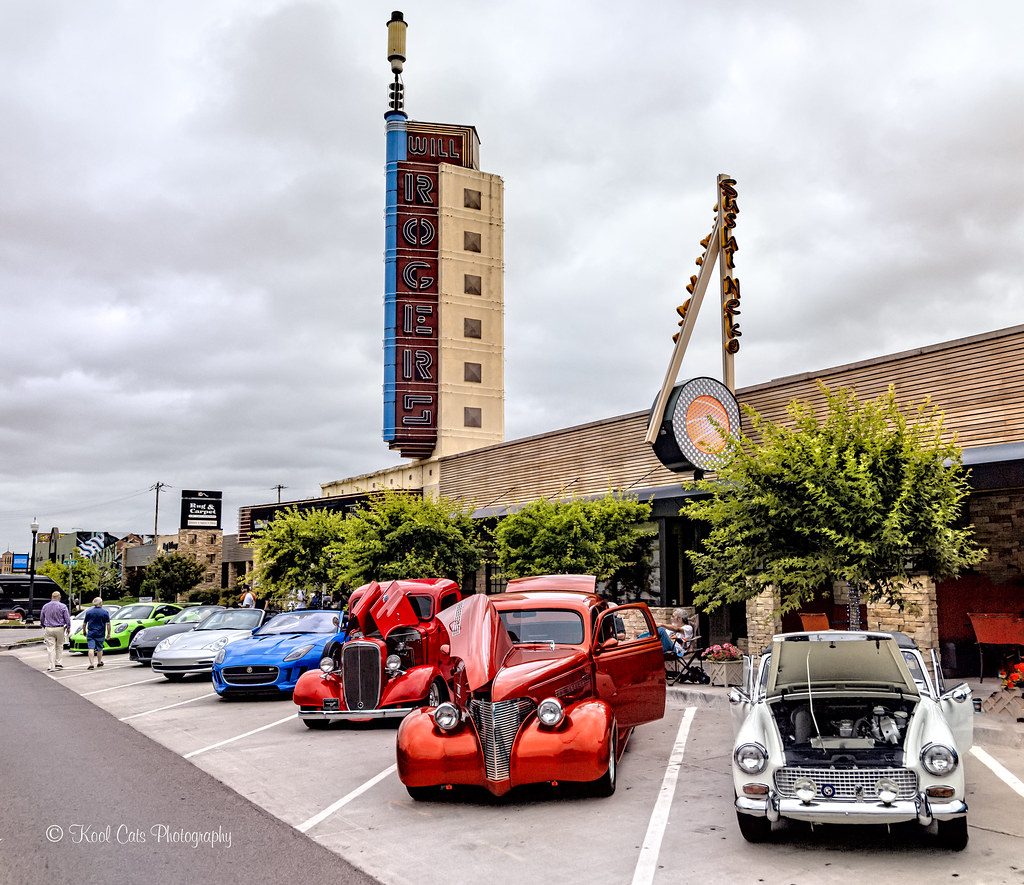
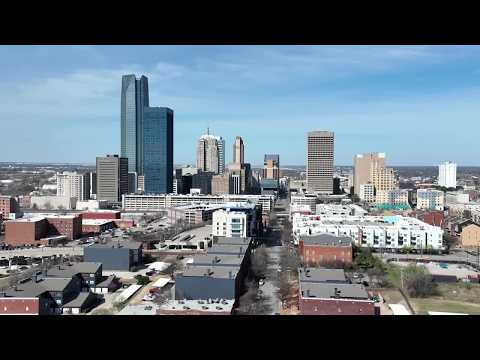
Oklahoma City's Western Avenue corridor is one of the city's oldest commercial districts, home to more than 50 shops, restaurants, and bars. On Tuesday, its property owners get a scheduled chance to speak against the special assessment they will be billed for the next year. The city council posted the item on its Oct. 27 agenda as a public hearing followed by a resolution adopting the 2026-2027 assessment roll.

If confirmed, every commercial property in the district pays the levy. The money funds the corridor's own upkeep and promotion, a mechanism commercial districts use to tax themselves for services the city doesn't provide. The hearing is the only point where owners can object before the roll is set.

Why it matters

Businesses along Western Avenue face a mandatory district assessment for the next year; Tuesday's hearing is their only chance to challenge it before it's billed.

Monday: what changed in Oklahoma City, OK

One short email a week with the openings, closings, permits and council votes we covered. Free. Unsubscribe in one click.

Questions about this story

Free account needed to ask — your question is kept and asked for you right after sign-up. Answers are public.

No questions yet — be the first to ask.

Key Indicators

50+
Businesses in the Western Avenue district
Shops, restaurants, bars, and coffee shops along the corridor, per the district's own site.

Voices

Curated perspectives — historical figures and your fellow readers.

Ever wondered what historical figures would say about today's headlines?

Sign up to generate historical perspectives on this story.

People Involved

Organizations Involved

Timeline

2 events Latest: Today
  1. Council hearing on Western Avenue assessment

    Upcoming Public hearing

    Scheduled hearing and vote on the resolution confirming the 2026-2027 assessment roll for Assessment District No. 10. Outcome pending.

  2. City posts Western Avenue BID assessment item

    Today Agenda

    Oklahoma City's council agenda lists a public hearing and a resolution to adopt the 2026-2027 assessment roll for the Western Avenue Business Improvement District.

Scenarios

1

Oklahoma City council confirms Western Avenue assessment roll

Likely Resolves by Nov 30, 2026

Discussed by: City of Oklahoma City council agenda and district management

The hearing runs without material objection from property owners. The council adopts the resolution, confirming the 2026-2027 assessment roll for Assessment District No. 10, and commercial properties in the district are billed for the year. This is the standard outcome for an annual BID renewal.

2

Council defers Western Avenue BID decision after hearing

Possible Resolves by Dec 15, 2026

Discussed by: Public comments at the hearing

Property owners raise questions or objections at the hearing, and the council continues the item to a later meeting rather than voting. The item is withdrawn or postponed, delaying the adoption of the assessment roll until council members get more information.

3

Council amends Western Avenue assessment roll after objections

Unlikely Resolves by End of 2026

Discussed by: Property owners in the district

Objections at the hearing lead the council to adjust individual assessments before final adoption. The roll is approved, but in a form that differs from the version published with the agenda, changing who pays what for the year.

Historical Context

2 moments from history that rhyme with this story — and how they unfolded.

April 1889

Oklahoma City Land Run (1889)

About 50,000 people claimed lots in the Unassigned Lands on April 22, 1889, and Oklahoma City sprang up in a day. It incorporated the next year and grew into a commercial and transportation hub.

Then

The city's first residents and businesses built a bustling railroad stop into a regional commercial center.

Now

The city's early outward sprawl created residential and commercial corridors, including the area that became Western Avenue.

Why this matters now

The corridor assessed in 2026 is part of this generation-spanning commercial expansion, now financing its own upkeep a century later.

1910s-1920s

Nichols Hills and early-1900s suburban growth

Developer Gilbert A. Nichols built houses across new additions and developed Nichols Hills, an exclusive residential area in northwest Oklahoma City.

Then

Nichols Hills became an upscale enclave and anchored one end of what later became the Western Avenue district.

Now

The district now runs from art deco-era buildings near NW 36th up to the Nichols Hills border, mixing old and new architecture.

Why this matters now

The district's boundaries and character trace directly to these early-20th-century development patterns.

Sources

(4)