

Pull to refresh
Logo
Par Health recalls Argatroban injection over particulate contamination

Par Health recalls Argatroban injection over particulate contamination

Rule Changes

Second particulate-related recall in five days for the Michigan drugmaker

Yesterday: Par Health recalls 22 lots of Argatroban Injection

Overview

Updated 9 hours ago

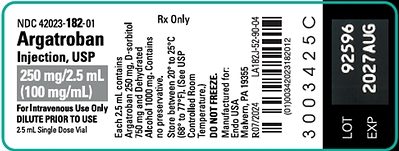
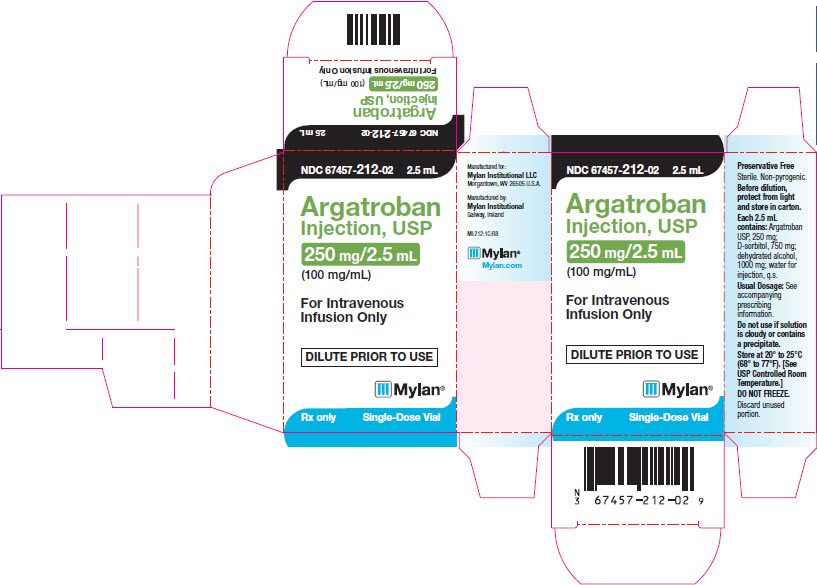
Par Health pulled 22 lots of its Argatroban Injection off the market after finding bits of cellulose, plastic, and possible stainless steel in the anticoagulant. The injectable treats blood clots in patients with heparin-induced thrombocytopenia, a rare immune reaction to the common blood thinner.

This is the second particulate-related recall Par Health has issued in five days. On October 8 the company pulled two lots of the anesthetic Brevital Sodium for cellulose contamination. Fierce Pharma reports the industry saw a string of similar particulate recalls over the past year.

Why it matters

Injected particulate matter can block blood vessels and damage organs. Two recalls in five days at one manufacturer point to a systemic contamination problem.

Questions about this story

Free account needed to ask — your question is kept and asked for you right after sign-up. Answers are public.

No questions yet — be the first to ask.

Key Indicators

22 lots
Lots of Argatroban Injection recalled
Recalled to hospital and user level nationwide.
0
Adverse events reported
Par Health reports no injuries tied to the recalled lots as of the recall date.
491 days
Window for recalled lot distribution
Lots reached wholesalers and hospitals from December 30, 2024 to May 5, 2026.
2
Par Health particulate recalls in five days
Brevital Sodium recalled October 8; Argatroban Injection recalled October 13.

Voices

Curated perspectives — historical figures and your fellow readers.

Ever wondered what historical figures would say about today's headlines?

Sign up to generate historical perspectives on this story.

Organizations Involved

Timeline

2 events Latest: Yesterday
  1. Par Health recalls 22 lots of Argatroban Injection

    Latest Recall

    The anticoagulant contained cellulose, polyethylene terephthalate, stopper material, and possibly stainless steel. No adverse events reported.

  2. Par Health recalls two lots of Brevital Sodium

    Recall

    The company pulled the anesthetic for cellulose particulate matter. This was the first recall in the five-day sequence.

Scenarios

1

No adverse events tied to recalled Argatroban lots

Possible Resolves by Q2 2027

Discussed by: Par Health's recall statement; FDA adverse event surveillance

Par Health says no injuries have been reported to date. If none surface in the coming months, this recall closes as a contained quality lapse and the company resumes normal operations.

2

FDA escalates scrutiny of Par Health

Possible Resolves by Jan 31, 2027

Discussed by: Fierce Pharma coverage of the recall pattern

Repeated contamination events typically draw an FDA inspection. If inspectors find problems at Par Health facilities, the agency could issue a Form 483 report, a warning letter, or a consent decree requiring manufacturing changes.

3

More Par Health recalls follow

Possible Resolves by Apr 30, 2027

Discussed by: Fierce Pharma

The Argatroban recall came five days after the Brevital one, plus a string of industry-wide particulate recalls over the past year. If the same contamination shows up in other Par Health products, additional lots would be pulled.

Historical Context

2 moments from history that rhyme with this story — and how they unfolded.

September 2012

New England Compounding Center fungal meningitis outbreak (2012)

A Massachusetts compounding pharmacy shipped steroid injections contaminated with fungus. At least 753 patients across 20 states developed fungal meningitis; 64 died.

Then

The company recalled every product, filed for bankruptcy, and federal prosecutors charged fourteen people, including the owner.

Now

Congress passed the Drug Quality and Security Act in 2013, expanding FDA authority over compounding pharmacies.

Why this matters now

The worst-case outcome for contaminated injectables — a reminder of why particulate or microbial contamination in sterile drugs is treated as a serious threat.

January 2010

McNeil Consumer Healthcare Tylenol recalls (2010)

McNeil recalled millions of bottles of Tylenol and other products after quality lapses at its Fort Washington, Pennsylvania plant, including metal particles found in some tablets.

Then

Production halted for over a year and McNeil lost significant share of the painkiller market. The company signed a consent decree with the FDA in 2011.

Now

The case became a standard example of how recurring quality lapses at one manufacturer draw escalating FDA enforcement.

Why this matters now

Shows that repeated contamination events at a single manufacturer typically push regulators toward formal enforcement action.

Sources

(5)