

Pull to refresh
Logo
Philadelphia council committee removes Reworld incinerator from waste contract

Philadelphia council committee removes Reworld incinerator from waste contract

Rule Changes Philadelphia, PA local

The environment committee amended the bill to exclude the Chester incinerator; the full council could vote as early as Dec. 3.

Overview

Updated 2 hours ago

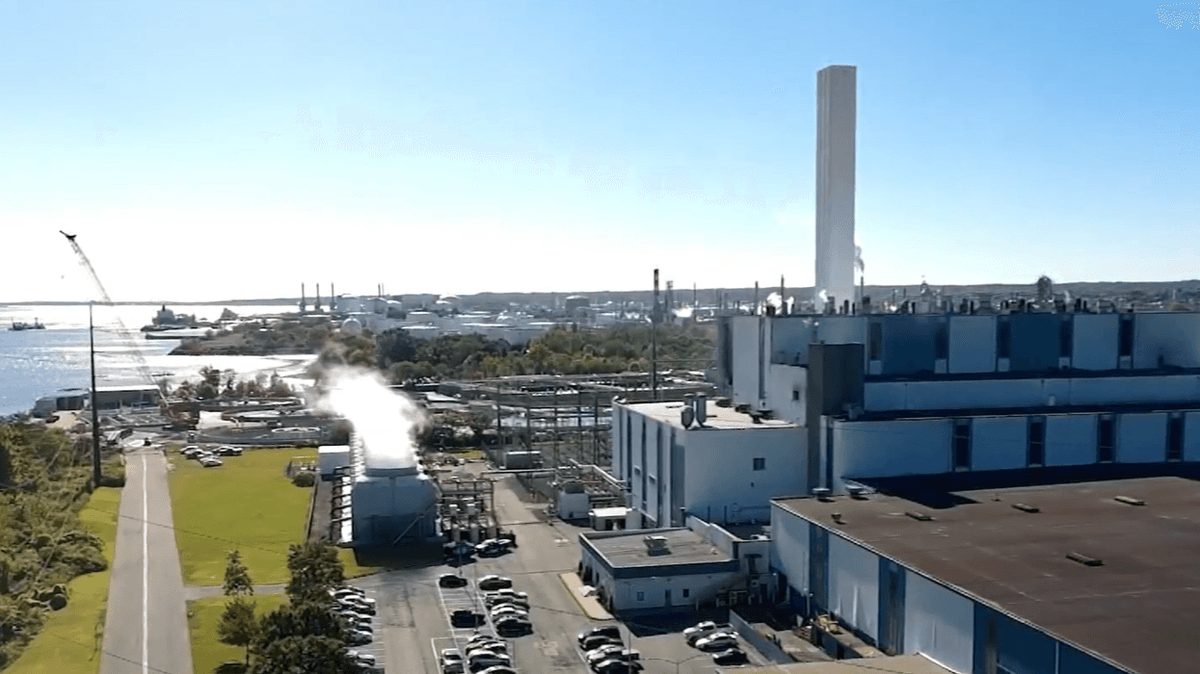
For years, Philadelphia has sent a large share of its trash to be burned at the Reworld incinerator in Chester, Pennsylvania. On Nov. 18, the City Council's environment committee amended a waste-disposal bill to remove Reworld from the contract.

The full council could vote on the revised bill as early as Dec. 3. The city's current waste contracts expire at the end of the year, so the decision will determine where Philadelphia sends its trash for the next four to seven years.

Why it matters

The vote could end Philadelphia's use of the Chester incinerator, shifting trash to landfills and changing air pollution in Chester.

Last Monday's email for Philadelphia, PA

Sent Nov 16. It carried:

Get next Monday's: one short email a week. Free. Unsubscribe in one click.

Questions about this story

Free account needed to ask — your question is kept and asked for you right after sign-up. Answers are public.

No questions yet — be the first to ask.

Key Indicators

3
Waste contracts proposed
The sanitation department proposed deals with Reworld, WM and Republic Services.
4–7
Contract length in years
The proposed waste-disposal contracts would run four to seven years.
2026
Current contracts expire
The city's existing waste-disposal contracts end this year.

Voices

Curated perspectives — historical figures and your fellow readers.

Sign up to generate historical perspectives on this story.

People Involved

Organizations Involved

Timeline

2026 November 2026

3 events Latest: Yesterday
  1. Committee removes Reworld from waste bill

    Latest Vote

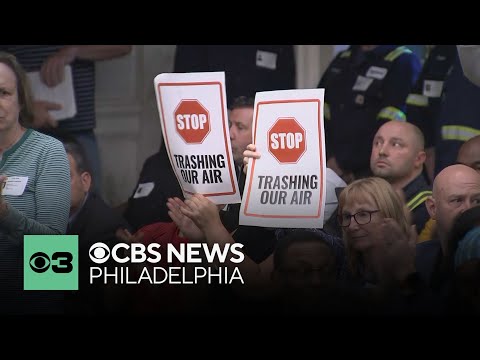
    Environment committee amends ordinance after hours of testimony; full council vote next.

  2. Stop Trashing Our Air Act introduced

    Legislation

    Councilmember Jamie Gauthier proposes banning city contracts with waste incinerators.

  3. Parker administration proposes three waste contracts

    Contract

    Sanitation Department seeks deals with Reworld, WM and Republic Services.

Scenarios

1

Full council passes amended bill without Reworld

Likely Resolves by End of 2026

Discussed by: WHYY, NBC10 Philadelphia

The committee's amendment survives a full council vote, and Mayor Cherelle Parker signs the ordinance. The city then contracts with WM and Republic Services for landfills, ending its use of the Chester incinerator for curbside trash. The timeline depends on whether the administration accepts the change or pushes back.

2

Full council restores Reworld contract

Possible Resolves by End of 2026

Discussed by: Reworld lobbyist John Scott; Parker administration officials

The full council reverses the committee amendment or passes a separate contract with Reworld. The administration argues the contract saves money and that its analysis found landfilling and incineration roughly equal. Reworld's lobbyist called a yes vote 'a vote for working families.'

3

No new contracts by year-end, trash disposal disrupted

Unlikely Resolves by Jan 31, 2027

Discussed by: WHYY, NBC10 Philadelphia

The council and mayor fail to agree on a revised bill before the current contracts expire. The city extends existing deals on an emergency basis or faces service disruptions. The standoff could force another vote in early 2027.

Historical Context

2 moments from history that rhyme with this story — and how they unfolded.

1982

Warren County PCB landfill protests (1982)

Residents of predominantly Black Warren County, North Carolina, protested the state's plan to bury soil contaminated with polychlorinated biphenyls (PCBs) in their community. The protests drew national attention and led to a federal study on hazardous waste and race.

Then

The landfill was built, but the controversy helped launch the environmental justice movement.

Now

The U.S. General Accounting Office found that hazardous waste facilities were disproportionately located in minority communities.

Why this matters now

Chester residents and Philadelphia council members frame the Reworld fight as environmental racism, echoing the Warren County argument that waste burdens fall on Black communities.

2014-2016

Flint water crisis (2014-2016)

Flint, Michigan, switched its water source to the Flint River to save money. Corrosive water leached lead from pipes, exposing residents to lead poisoning.

Then

The city returned to Detroit's water system and received federal aid.

Now

The crisis led to criminal charges and new federal rules on lead in drinking water.

Why this matters now

It shows how government decisions can expose majority-Black cities to environmental health hazards, a central claim in the Chester incinerator dispute.

Sources

(3)