

Pull to refresh
Logo
Illinois appellate court upholds Chicago's denial of General Iron operating permit

Illinois appellate court upholds Chicago's denial of General Iron operating permit

Rule Changes Chicago, IL local

Metal recycler says it will appeal to the Illinois Supreme Court.

Overview

Updated 1 hour ago

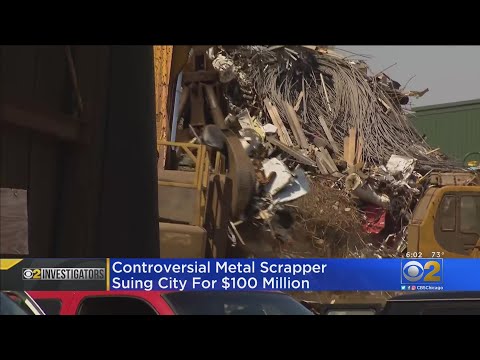
A metal shredder built along the Calumet River has sat idle since Chicago denied its operating permit in 2022. On Nov. 6, an Illinois appellate court upheld that denial, keeping the Southside Recycling facility closed and sending the company toward the state's highest court.

The case tests whether a city can reject an operating permit because of cumulative pollution and health risks, even after the state issued construction permits. Chicago says the Southeast Side already carries too much industrial pollution; the company says the city broke its own rules.

Why it matters

The case tests whether Chicago can block a state-permitted industrial plant over neighborhood health risks, a question other cities with polluted industrial corridors may face.

Last Monday's email for Chicago, IL

Sent Nov 2. It carried:

Get next Monday's: one short email a week. Free. Unsubscribe in one click.

Questions about this story

Free account needed to ask — your question is kept and asked for you right after sign-up. Answers are public.

No questions yet — be the first to ask.

Key Indicators

$80M
Facility construction cost
Reserve Management Group spent about $80 million building the Southside Recycling plant before the operating permit was denied.
$100M+
Damages sought by company
Reserve Management Group has sought more than $100 million from Chicago in its lawsuit over the permit denial.
250
Southeast Side operations investigated by EPA
Mayor Brandon Johnson cited records showing more than 250 operations investigated for particulate air pollution.

Voices

Curated perspectives — historical figures and your fellow readers.

Sign up to generate historical perspectives on this story.

People Involved

Organizations Involved

Timeline

July 2018 November 2026

7 events Latest: Today
Tap a bar to jump to that date
  1. Chicago denies operating permit

    Regulatory

    The Lightfoot administration rejects the permit after a health impact assessment.

  2. EPA flags civil rights concerns

    Federal intervention

    EPA Administrator Michael Regan cites significant civil rights concerns and recommends a health assessment.

  3. City announces General Iron move to Southeast Side

    Policy

    Chicago announces the metal scrapper will relocate from Lincoln Park to a site along the Calumet River.

Scenarios

1

Illinois Supreme Court declines to hear General Iron appeal

Likely Resolves by Q2 2027

Discussed by: Chicago Sun-Times reporting on the company's announced appeal

General III says it will ask the Illinois Supreme Court to review the appellate ruling. The court accepts a small share of civil appeals, so a denial of leave would leave the city's permit denial in place and keep the Southside Recycling facility closed.

2

Illinois Supreme Court reverses and orders Chicago to issue permit

Unlikely Resolves by End of 2027

Discussed by: General III's public statements and its legal filings

The company argues the city added a health impact assessment late in the process and did not follow its own rules. If the Illinois Supreme Court accepts the case and agrees, it could order Chicago to issue the operating permit and reopen the facility.

3

Reserve Management Group's damages lawsuit advances against Chicago

Possible Resolves by End of 2027

Discussed by: Cook County Record reporting on the company's $100 million claim

Reserve Management Group has sought more than $100 million from Chicago in a lawsuit over the permit denial. The case had been largely on hold while the permit dispute moved through court. A ruling allowing the damages claim to proceed would create a second front in the fight.

Historical Context

2 moments from history that rhyme with this story — and how they unfolded.

1982

Warren County PCB landfill protests (1982)

North Carolina chose Warren County, a poor Black county, as the site for a landfill for PCB-contaminated soil. Residents protested for weeks, lying on roads to block trucks. The protests drew national civil rights and environmental groups.

Then

The landfill was built, but the protests pushed environmental justice onto the national agenda.

Now

A 1987 study found toxic waste sites disproportionately located near Black and Latino communities, and the EPA later created an environmental justice office.

Why this matters now

The General Iron fight uses similar arguments about siting pollution in communities of color, though it is a permit denial rather than a landfill.

2014-2016

Flint water crisis (2014-2016)

Flint switched its water source to the Flint River to save money. Corrosive water leached lead from pipes, and state officials downplayed residents' complaints. Lead levels in children rose, and the city eventually declared an emergency.

Then

Residents relied on bottled water and filters while officials faced investigations and criminal charges.

Now

Flint became a benchmark for environmental injustice and government accountability in majority-Black communities.

Why this matters now

Chicago's health impact assessment and the federal civil rights investigation echo Flint's focus on cumulative pollution and vulnerable residents.

Sources

(3)