
Logo
Daily Brief
Following
Why
Cebu Landfill Collapse Kills 36, Exposes Decades of Regulatory Failure

Cebu Landfill Collapse Kills 36, Exposes Decades of Regulatory Failure

The Binaliw tragedy echoes the 2000 Payatas disaster that killed 218 and prompted a waste management law that remains unenforced 25 years later

Today: Final victim recovered; search operations conclude

Overview

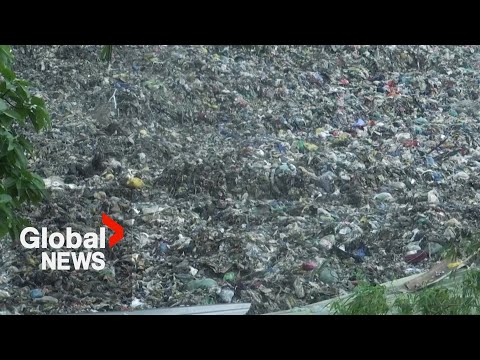
The Payatas garbage dump in Quezon City collapsed in July 2000, killing at least 218 people. The disaster prompted the Philippines to pass the Ecological Solid Waste Management Act, which banned open dumpsites and mandated sanitary landfills with engineering safeguards. Twenty-five years later, a landfill in Cebu City collapsed under nearly identical circumstances—oversaturated waste piled too high on too steep a slope—killing 36 sanitation workers.

The Binaliw landfill had been flagged for violations of the same 2000 law multiple times since 2019. Inspections in 2024 found it operating more like an open dumpsite than a regulated facility. No enforcement action followed. The collapse now leaves Metro Cebu—generating over 500 tons of garbage daily—scrambling for disposal alternatives, while a Senate investigation examines why regulators granted compliance certificates to a facility that auditors found deficient in drainage, slope management, and basic sanitation.

Key Indicators

36
Deaths confirmed
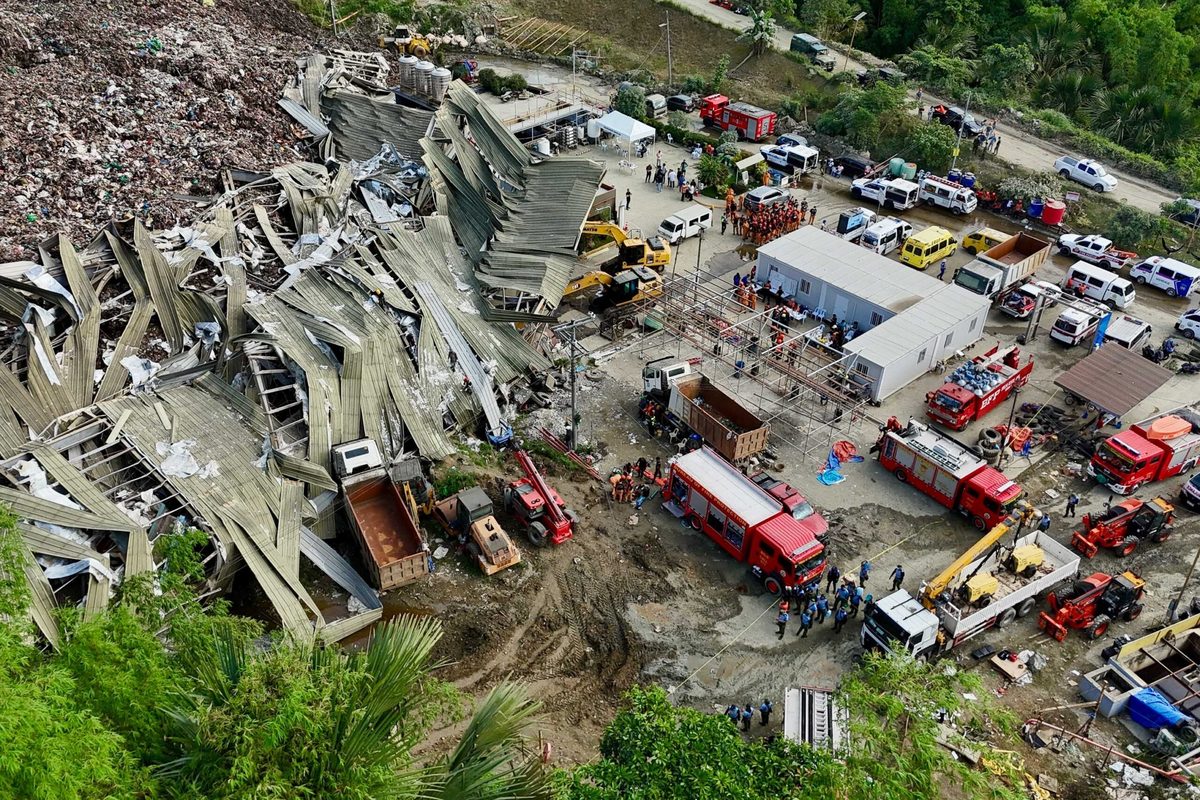
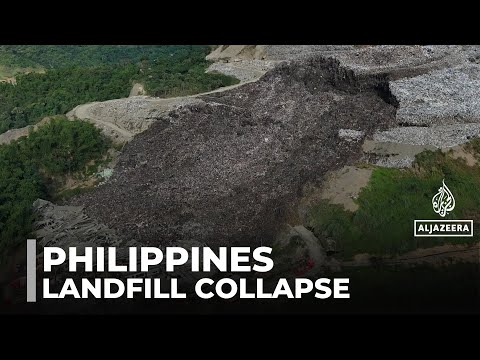
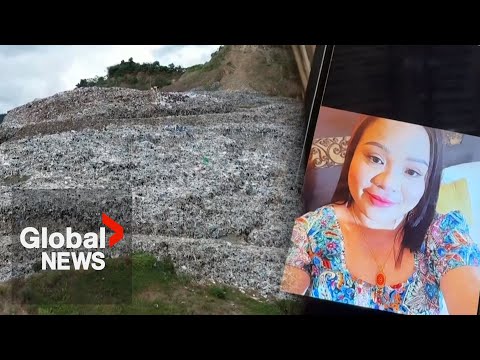
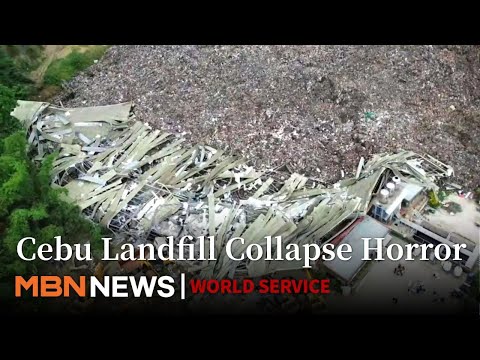
Sanitation workers killed when a 35-meter waste mound collapsed on January 8, 2026
25 years
Since RA 9003 passed
The Ecological Solid Waste Management Act was enacted after the 2000 Payatas disaster
500+ tons
Daily garbage output
Cebu City's daily waste generation, now without a primary disposal facility
₱30 million
Emergency funding
Cebu City's allocation for waste management and rescue operations under state of calamity

People Involved

Nestor Archival
Nestor Archival
Mayor of Cebu City (Leading crisis response; calling for DENR accountability)
EJ
Enrique K. Razon Jr.
Chairman, Prime Infrastructure Capital Inc. (Company facing cease-and-desist order; landfill operations suspended)
Imee Marcos
Imee Marcos
Senator, Republic of the Philippines (Filed legislative inquiry into landfill safety)
JG
Joel Garganera
Cebu City Councilor (Critic of landfill operations; warned of disaster risk in 2017)

Organizations Involved

PR
Prime Integrated Waste Solutions Inc.
Private Waste Management Company
Status: Operations suspended; facing investigation

The waste management arm of Prime Infrastructure that operated the Binaliw landfill from 2023 until the January 2026 collapse.

Department of Environment and Natural Resources
Government Agency
Status: Facing accountability questions; leading investigation

The Philippine government agency responsible for issuing Environmental Compliance Certificates and enforcing waste management regulations.

Philippine Senate
Philippine Senate
Legislative Body
Status: Investigating landfill safety and RA 9003 enforcement

The upper house of the Philippine Congress, now conducting an inquiry into landfill safety following the Binaliw collapse.

Timeline

  1. Final victim recovered; search operations conclude

    Disaster

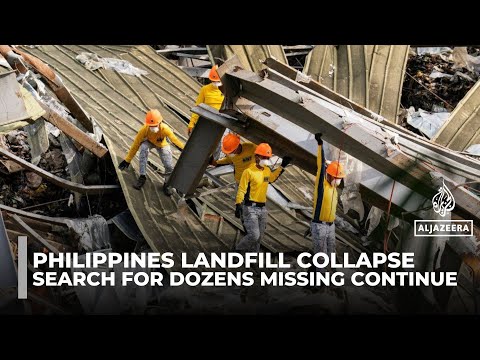
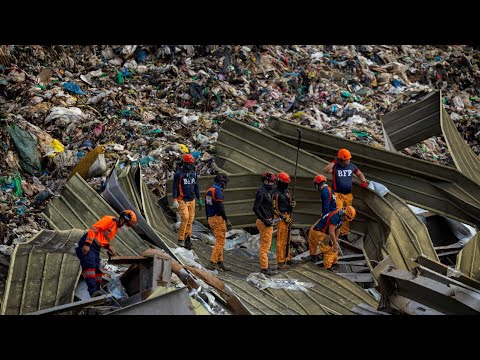
    The 36th and final victim is recovered after 10 days of search operations. Confirmed death toll: 36 sanitation workers.

  2. Cebu City declares state of calamity

    Government

    City government allocates ₱30 million for waste management and rescue operations; begins diverting garbage to Consolacion.

  3. DENR issues cease-and-desist order

    Regulatory

    DENR Region 7 orders Prime Integrated Waste Solutions to halt all landfill operations except rescue activities.

  4. Binaliw landfill collapses

    Disaster

    A 35-meter-high waste mound gives way after weeks of heavy rainfall, burying the Materials Recovery Facility and staff housing with workers inside.

  5. COA audit reveals systemic deficiencies

    Investigation

    Commission on Audit report documents inadequate drainage, pest infestations, foul odor, and potential treatment plant leak at Binaliw.

  6. Mayor-elect threatens landfill closure

    Political

    Nestor Archival warns he will shut down Binaliw if environmental violations—including untreated wastewater and foul odors—persist.

  7. City inspection finds ongoing violations

    Investigation

    Cebu City's environmental office finds PWS violating the Ecological Solid Waste Management Act; facility operating more like an open dumpsite.

  8. Prime Infra acquires Binaliw landfill

    Corporate

    Enrique Razon's Prime Infrastructure Capital takes over operations through subsidiary Prime Integrated Waste Solutions.

  9. First violation notices issued for Binaliw

    Regulatory

    EMB Region 7 cites ARN for violations related to garbage hauling and monitoring report submissions.

  10. Consolacion landfill closes after fatal landslide

    Disaster

    A landslide at AESC's landfill kills a garbage truck driver. Facility shut down for environmental violations; Cebu City diverts waste to Binaliw.

  11. DENR grants ECC for Binaliw landfill

    Regulatory

    Environmental Compliance Certificate issued to ARN Central Waste Management for a 15-hectare sanitary landfill in Barangay Binaliw.

  12. Republic Act 9003 signed into law

    Legislation

    The Ecological Solid Waste Management Act mandates closure of open dumps and establishes sanitary landfill standards.

  13. Payatas landfill collapse kills 218+

    Disaster

    A garbage dump collapse in Quezon City kills at least 218 people (some estimates suggest up to 1,000), prompting passage of the Ecological Solid Waste Management Act.

Scenarios

1

Senate Investigation Leads to Criminal Charges Against Regulators

Discussed by: Center for Trade Union and Human Rights (CTUHR); environmental advocacy groups

The Senate inquiry establishes that DENR officials ignored documented violations and failed to revoke the Environmental Compliance Certificate despite evidence the facility was operating as an open dumpsite. Findings lead to administrative charges or criminal prosecution for gross negligence. This would set precedent for holding regulators—not just operators—accountable for industrial disasters.

2

Regulatory Overhaul Strengthens RA 9003 Enforcement

Discussed by: Manila Times editorial analysis; environmentalists quoted by Eco-Business

The disaster catalyzes amendments to Republic Act 9003 or its implementing rules, giving DENR clearer authority and mandatory timelines to shut down non-compliant facilities. Additional funding for local government waste infrastructure follows. This mirrors the legislative response after Payatas—but this time with enforcement mechanisms.

3

PWS Faces Civil Liability; Razon Company Pays Settlements

Discussed by: Legal observers noting the 2020 Payatas precedent where Quezon City was ordered to compensate victims' families

Families of the 36 victims pursue civil claims against Prime Integrated Waste Solutions and potentially the city government. The 2020 ruling requiring Quezon City to pay ₱6 million to Payatas victims' heirs provides legal precedent. PWS settles to avoid prolonged litigation and reputational damage to Prime Infrastructure's broader operations.

4

Waste Crisis Persists; Metro Cebu Struggles Without Long-Term Solution

Discussed by: Cebu Daily News analysis; city officials discussing 30-day temporary dumping arrangements

The temporary arrangement with Consolacion's landfill expires without a permanent alternative in place. Cebu City's 500+ daily tons of garbage overwhelm interim measures. The crisis forces the city to either reopen Binaliw under new management, invest in waste-to-energy despite Mayor Archival's reservations, or construct a new regional facility—each option facing years of regulatory and construction delays.

Historical Context

Payatas Landfill Collapse (2000)

July 2000

What Happened

On July 10, 2000, after ten days of typhoon rainfall, a garbage mound at the Payatas dump in Quezon City collapsed at 4:30 a.m., burying a community of waste pickers who lived and worked on its slopes. Official death toll: 218. Some estimates exceed 1,000. Most victims were impoverished migrants who scavenged recyclables to survive.

Outcome

Short Term

The Philippines passed Republic Act 9003, the Ecological Solid Waste Management Act, mandating closure of open dumps by 2004 and establishing sanitary landfill standards.

Long Term

Twenty-five years later, implementation remains incomplete. A 2024 study found many facilities still operate like open dumps despite holding compliance certificates. The Quezon City government was ordered in 2020 to pay ₱6 million to 56 victims' heirs—establishing civil liability precedent.

Why It's Relevant Today

Binaliw's collapse mirrors Payatas almost exactly: oversaturated waste, excessive height, steep slopes, and a community of workers caught in the collapse zone. The 2000 disaster produced landmark legislation; the 2026 disaster may test whether that legislation can actually be enforced.

Koshe Landfill Collapse, Ethiopia (2017)

March 2017

What Happened

On March 11, 2017, the Koshe garbage dump on the outskirts of Addis Ababa collapsed, killing 115 people. The 50-year-old dump had hundreds of residents living in its shadow, attracted by cheap housing and the income from sorting recyclables. Ethiopia declared three days of national mourning.

Outcome

Short Term

Ethiopia accelerated construction of Africa's first waste-to-energy plant near the site, converting garbage into electricity.

Long Term

The disaster highlighted the global pattern: impoverished communities settle near waste dumps, and inadequate regulation allows dangerous conditions to persist until catastrophe.

Why It's Relevant Today

Koshe and Binaliw share the same failure mode: waste piled too high for too long while workers and residents remained in the danger zone. Both cases involved governments aware of the risks but slow to act.

Meethotamulla Landfill Collapse, Sri Lanka (2017)

April 2017

What Happened

On April 14, 2017—just one month after Koshe—the Meethotamulla rubbish dump in Colombo collapsed onto a residential neighborhood. At least 32 died, 8 remained missing, and 146 houses were destroyed. Nearly 1,000 residents were displaced.

Outcome

Short Term

Sri Lanka closed the dump and promised to establish proper waste management facilities. Affected families received government resettlement assistance.

Long Term

The back-to-back disasters in Ethiopia and Sri Lanka in 2017 drew international attention to landfill safety as a global development issue. The World Bank published analysis on the recurring pattern of 'landslides, dumpsites, and waste pickers.'

Why It's Relevant Today

The cluster of major landfill disasters in 2000 (Payatas), 2017 (Koshe, Meethotamulla), and now 2026 (Binaliw) demonstrates that this is a recurring structural failure in developing countries—not isolated incidents. Each produces legislation or promises of reform; the collapses continue.

12 Sources: