


July 2010
DNSSEC root signing (2010)
The Internet's root zone was cryptographically signed, allowing resolvers to verify DNS records end-to-end. DNSSEC had been specified since the late 1990s, and the signing took years of coordination.
Then
The infrastructure was in place, but barely any zones were signed.
Now
A decade later, only a small fraction of domains use DNSSEC, with notable failures like the 2024 incident that broke signed domains. It showed that cryptographic infrastructure adoption needs ecosystem pressure, not just standards.
Why this matters now
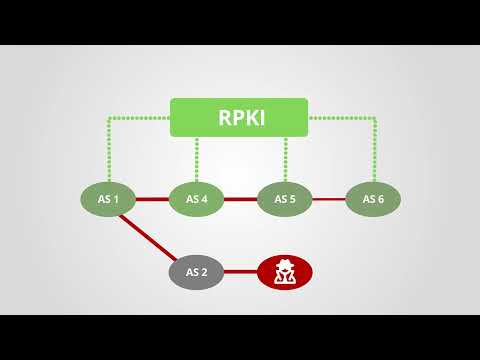
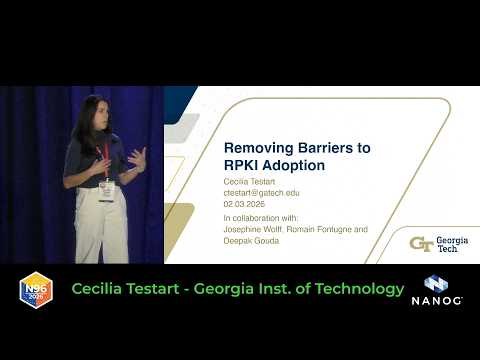
Like DNSSEC, RPKI is a cryptographic layer added to existing internet protocols, and its adoption curve was similarly slow — until the 2026 surge.