

Pull to refresh
Logo
Russia's central bank holds key rate at 14% as inflation stays elevated

Russia's central bank holds key rate at 14% as inflation stays elevated

Money Moves

Second consecutive hold as 2026 inflation forecast raised to 7.1-7.6%

Today: Second consecutive hold at 14%

Overview

Updated 1 hour ago

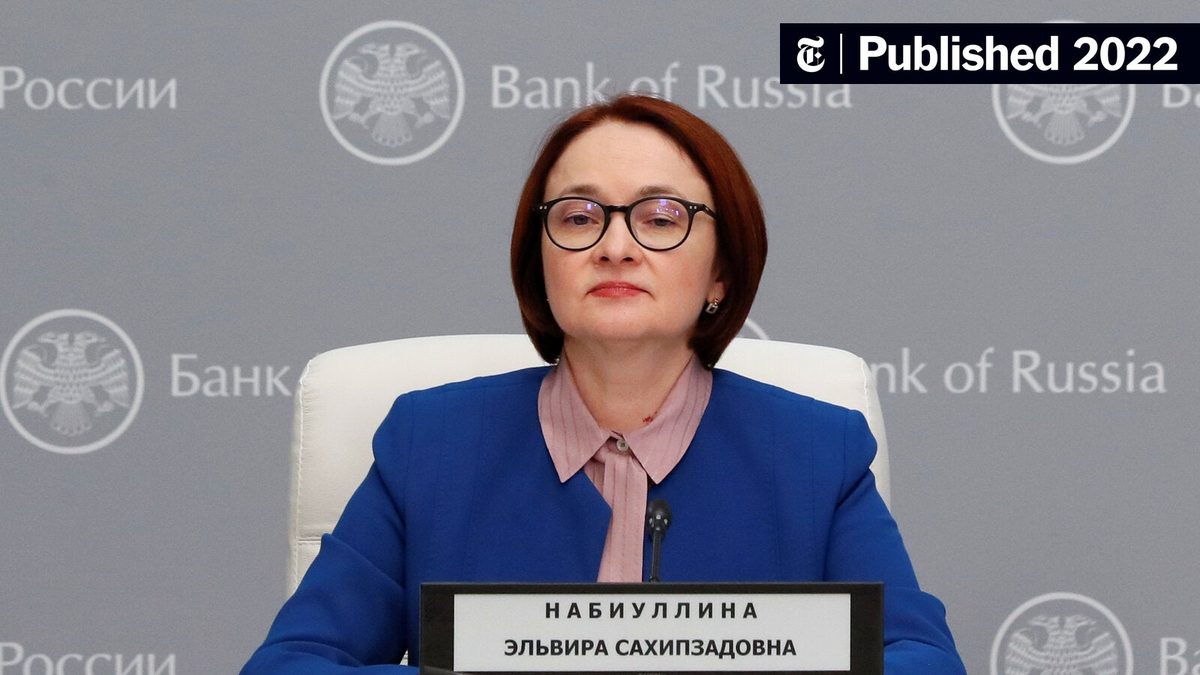
Russia's central bank held its key rate at 14% for the second straight meeting on October 23, pausing an easing cycle that had run for over a year. Annual inflation hit 6.8% as of October 19, well above the 4% target.

The bank raised its 2026 inflation forecast to 7.1-7.6% and said proinflationary risks dominate, citing supply-demand imbalances, high inflation expectations, and wage growth outpacing productivity. Its baseline scenario assumes the rate averages 12.5-13.5% in 2027.

Why it matters

Russian households and businesses face another year of near-14% borrowing costs as the central bank prioritizes taming inflation over growth.

Questions about this story

Free account needed to ask — your question is kept and asked for you right after sign-up. Answers are public.

No questions yet — be the first to ask.

Key Indicators

14.00%
Key rate
Held for second consecutive meeting on October 23, 2026
6.8%
Annual inflation
As of October 19, 2026, vs 4% target
7.1-7.6%
2026 inflation forecast
Raised from 6-7% in previous forecast
6.2%
Core inflation, Q3 annualized
Up from 4.5% in Q2 2026

Voices

Curated perspectives — historical figures and your fellow readers.

Ever wondered what historical figures would say about today's headlines?

Sign up to generate historical perspectives on this story.

People Involved

Organizations Involved

Timeline

September 2026 October 2026

2 events Latest: Today
  1. Second consecutive hold at 14%

    Today Policy Decision

    Bank held rate at 14%, raised 2026 inflation forecast to 7.1-7.6%, cited persistent price pressures.

  2. First pause in easing cycle

    Policy Decision

    Bank of Russia held key rate at 14%, marking first pause in over a year of cuts.

Scenarios

1

Bank of Russia resumes rate cuts in early 2027

Possible Resolves by Apr 30, 2027

Discussed by: Bank of Russia baseline forecast

The central bank's own baseline scenario assumes the key rate averages 12.5-13.5% in 2027, which implies cuts from the current 14%. If inflation cools as temporary production capacity constraints ease, the bank could resume its easing cycle in the first half of 2027.

2

Rates stay at 14% through mid-2027

Possible Resolves by Q2 2027

Discussed by: Analysts surveyed by Investing.com

All 20 analysts surveyed expected the October hold. If inflation stays near current levels and inflation expectations remain near two-year highs, the bank could hold at 14% for several more meetings, waiting for clearer signs of disinflation.

3

Rate hike if inflation accelerates

Unlikely Resolves by Q1 2027

Discussed by: Bank of Russia statement on proinflationary risks

The bank said proinflationary risks prevail, citing supply-demand imbalances, high inflation expectations, and wage growth outpacing productivity. If price pressures intensify, the bank could hike. This is the least likely scenario given the bank's own forecast of cuts in 2027.

Historical Context

2 moments from history that rhyme with this story — and how they unfolded.

December 2014

December 2014 ruble crisis rate shock

The Bank of Russia hiked its key rate from 10.5% to 17% in a single emergency move on December 16, 2014, as the ruble collapsed amid falling oil prices and Western sanctions over Ukraine. It was the sharpest single-day hike in the bank's modern history.

Then

The ruble stabilized within weeks, but the economy entered a deep recession in 2015.

Now

The episode cemented Nabiullina's reputation for aggressive, inflation-first policy.

Why this matters now

Shows the bank's willingness to use sharp rate moves to defend the currency and control inflation.

February 2022

February 2022 sanctions shock

Days after Russia invaded Ukraine, the central bank more than doubled its key rate from 9.5% to 20% on February 28, 2022, as Western sanctions froze a large share of its reserves and the ruble plunged to record lows.

Then

The ruble recovered within months, and the bank began cutting rates by mid-2022.

Now

The episode demonstrated how external shocks and sanctions shape Russian monetary policy.

Why this matters now

The current inflation pressure stems partly from sanctions-related supply constraints, echoing 2022.

Sources

(6)