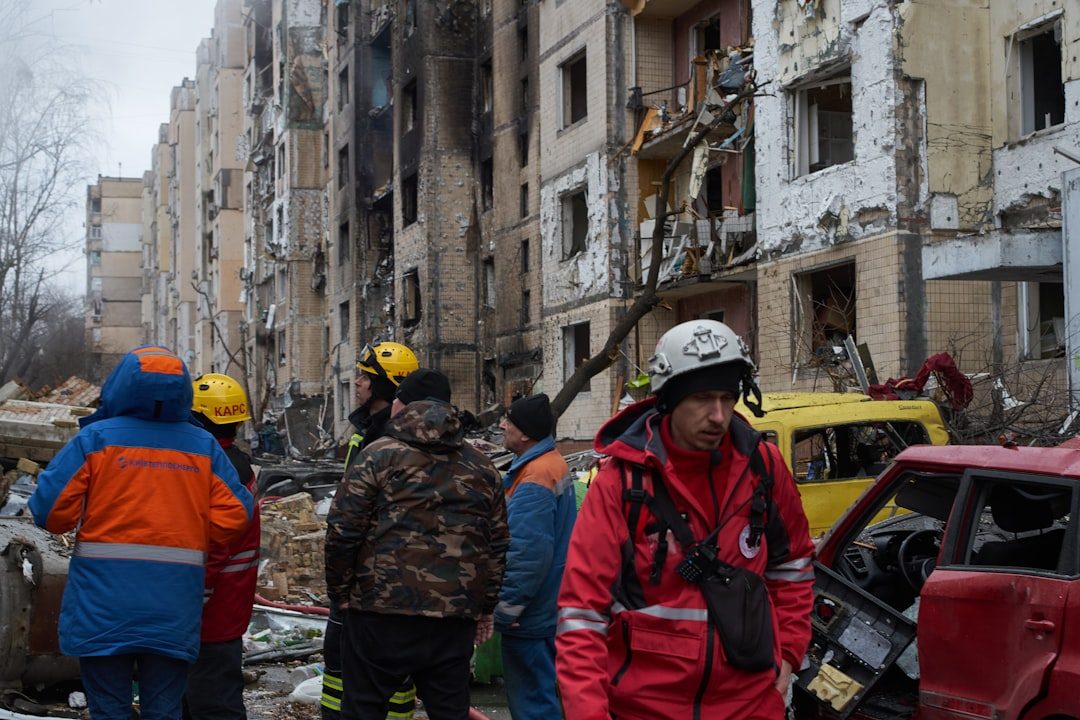
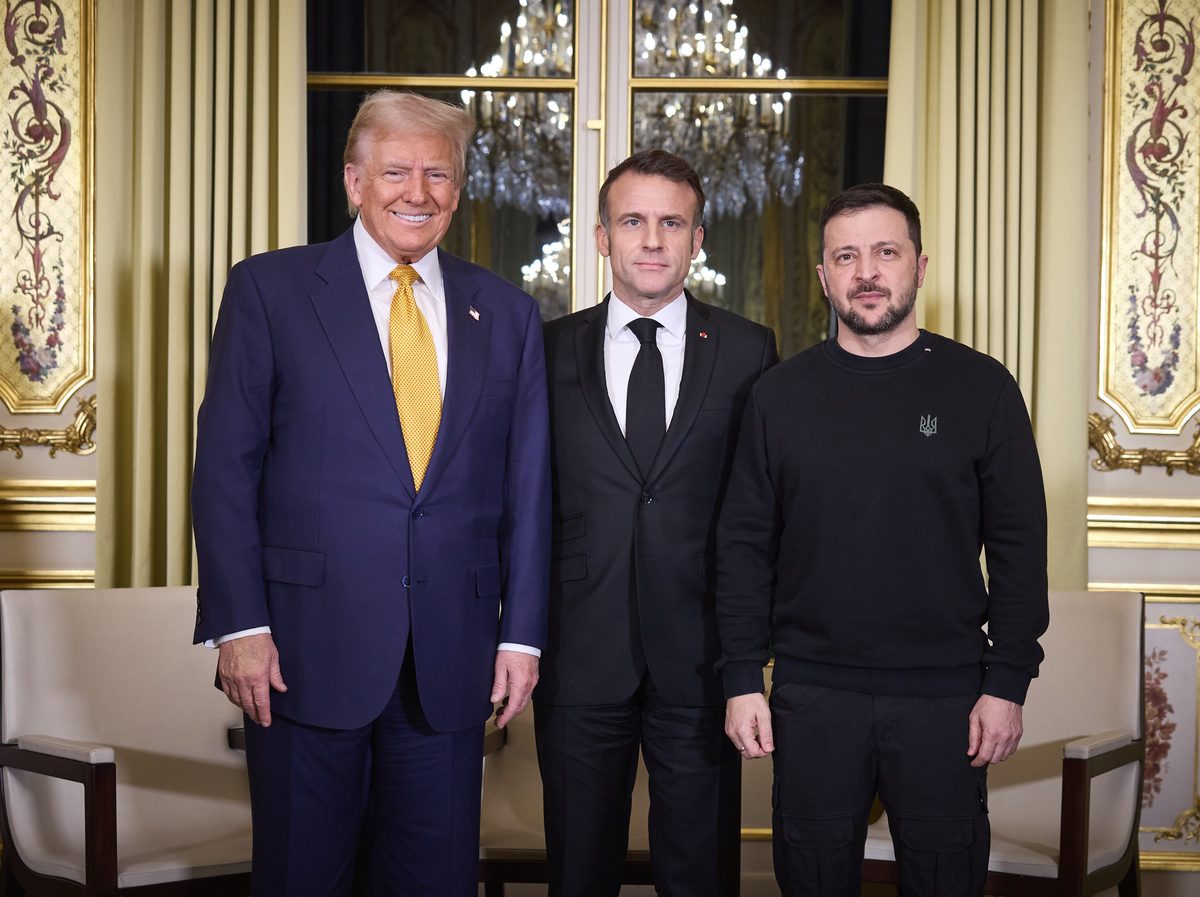
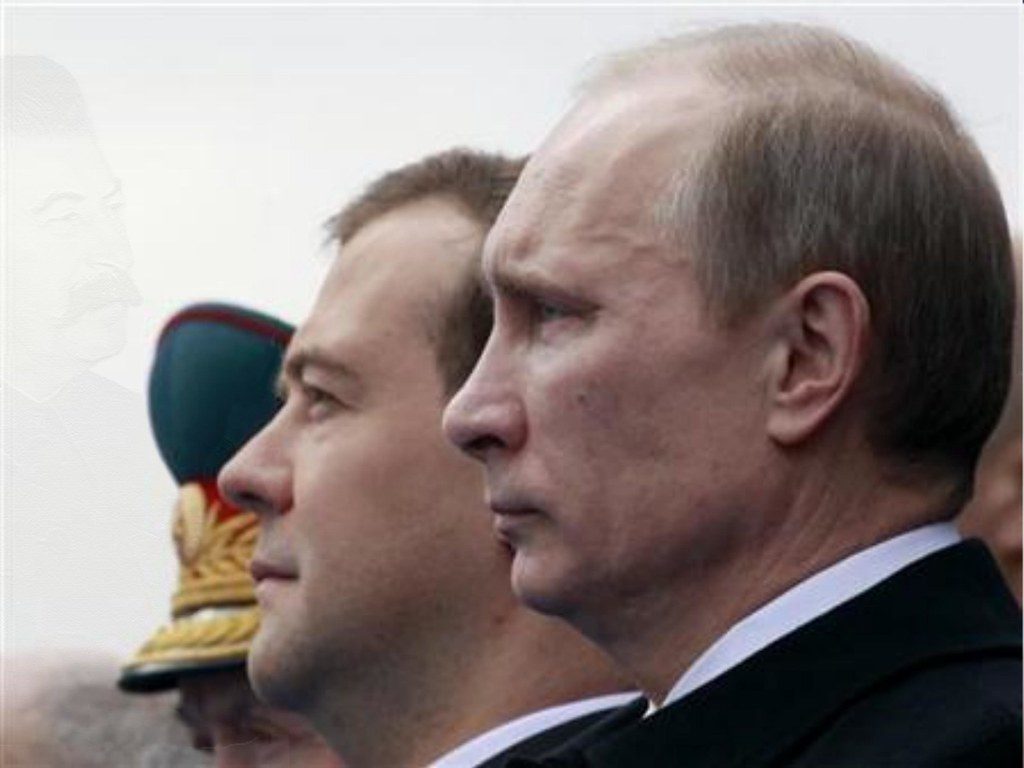
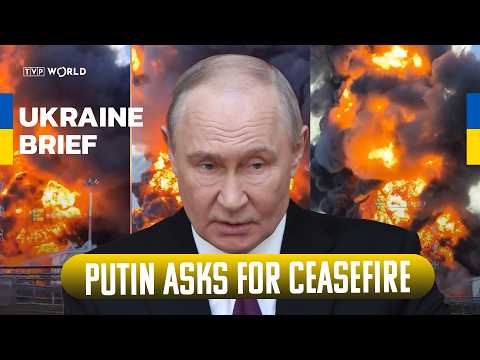
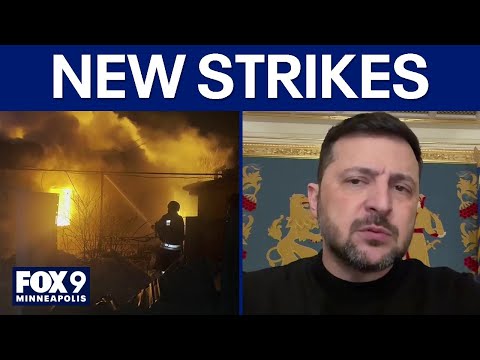
The Trump-brokered three-day ceasefire expired at midnight on May 12, and Russia launched 216 attack drones at Ukraine within hours. Ukrainian air defenses neutralized 192 of them. At least one person was killed in Dnipropetrovsk, and debris set fire to a 16-storey residential building in Kyiv's Obolon district.
The 1,000-for-1,000 prisoner exchange Trump announced as part of the deal never happened. Ukraine submitted its list; Putin claimed Kyiv hadn't responded; Ukraine denied it. Before the truce expired, Kremlin aide Yuri Ushakov had already ruled out any extension, and U.S. and European officials began reassessing how to restart talks.
Why it matters
Ukrainian, Russian, and US-brokered ceasefires have all collapsed. There's no agreed mechanism to stop a war past its fourth year.
Questions about this story
Free account needed to ask — your question is kept and asked for you right after sign-up. Answers are public.
No questions yet — be the first to ask.
Key Indicators
216
Drones fired at Ukraine as truce expired, May 12
Russia launched 216 attack drones immediately after the ceasefire expired at midnight on May 12. Ukrainian air defenses neutralized 192. At least one person was killed in Dnipropetrovsk; falling debris set fire to a 16-storey residential building in Kyiv's Obolon district.
0 of 2,000
Prisoner exchange: agreed in principle, not executed
Trump announced a 1,000-for-1,000 prisoner swap as part of the deal. Ukraine submitted its list; Putin claimed Kyiv hadn't responded; Ukraine denied it. The exchange did not happen. A smaller 314-captive Abu Dhabi swap on May 8 remains the only completed exchange since October 2025.
1,820
Ceasefire violations reported by Ukraine, day one
By 10 a.m. on May 9, Zelenskyy reported 1,820 Russian violations of the US-brokered truce. Russia's Defense Ministry counted 1,630 Ukrainian violations. Russia later claimed 23,802 total Ukrainian violations across the three-day window.
210+
Front-line clashes on ceasefire day three, May 11
Ukraine's General Staff reported over 210 front-line clashes on May 11, the third and final day of the truce. Russian strikes on Kharkiv and Kherson killed at least 2 people and wounded 7. Day two had seen 147 clashes; the pattern showed violations increasing rather than declining across the window.
26+
Civilians killed on May 6
Russia fired 108 combat drones and three ballistic missiles into Ukraine on May 6 within minutes of Kyiv's ceasefire taking effect, killing at least 26 people and wounding 118.
~4 years
Since the full-scale invasion
Russia launched its full-scale invasion of Ukraine in February 2022. No ceasefire proposal since then has produced a durable halt to fighting.
22 events
Latest: May 12th, 2026 · 5 months ago
Showing 8 of 22
JK to step
Tap a bar to jump to that date
Jump to
May 2026
Ukraine proposes 'airport truce'; peace talks described as stalled
LatestDiplomatic
After the 216-drone barrage, Ukraine proposed a narrow 'airport truce' — a mutual halt to strikes on airports — as a first step to resuming diplomacy. Sources told reporters peace talks had effectively stalled, with no real negotiations underway.
Day three: 210+ clashes, 2 killed; Kremlin rejects extension; Trump says ceasefire 'on life support'
Military
Ukraine's General Staff counted over 210 front-line clashes; Russian strikes killed at least 2 people in Kharkiv and Kherson. Kremlin aide Yuri Ushakov rejected any extension, saying there were no agreements to extend, and Trump called the ceasefire 'on life support.'
Putin says war is 'coming to an end'; offers meeting with Zelenskyy
Diplomatic
Putin told reporters the war is 'coming to an end' and said he'd meet Zelenskyy in a third country once a peace treaty is finalized; Russia formally accepted Trump's ceasefire and prisoner exchange framework.
Germany rejects Schröder mediator proposal; Kremlin says peace 'very long way off'
Diplomatic
Germany rejected Schröder. Berlin said the proposal lacked credibility and Russia hadn't changed its conditions; the Kremlin added that peace is 'a very long way off,' contradicting Putin's own remarks.
Ceasefire violations continue on day two: 147 clashes, 27 drones
Military
Ukraine's General Staff reported 147 battlefield clashes on May 10, day two of the US-brokered truce. Russia launched 27 long-range drones overnight; all were intercepted, but strikes still wounded at least 15 people across Zaporizhzhia, Kharkiv, and Kherson regions.
Victory Day parade proceeds infantry-only; no Ukrainian drones reach Red Square
Political
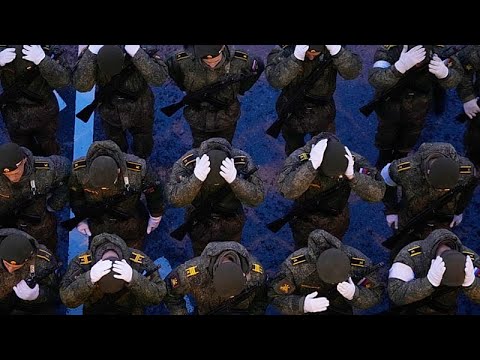
Russia's May 9 parade in Moscow went ahead without tanks, missiles, or military vehicles—the first such parade without military hardware since 2007. Ukrainian drones did not disrupt the ceremony. Fighting continued on the front line through the day.
Zelenskyy reports 1,820 Russian violations of Trump-brokered ceasefire by 10 a.m.
Military
Within hours of the US-brokered three-day ceasefire taking effect, Zelenskyy reported Russia had committed 1,820 violations. Russia's Defense Ministry countered with its own count: 1,630 Ukrainian violations.
Ukraine strikes Yaroslavl oil facility; Russia cuts Moscow mobile internet
Military
Ukraine hit an oil facility in Yaroslavl—roughly 250 km northeast of Moscow—in what Kyiv described as retaliation for Russian strikes on Ukrainian cities. Russia cut all mobile internet and text messaging across Moscow to degrade Ukraine's drone-targeting capacity ahead of the May 9 parade.
Russia and Ukraine exchange 314 prisoners via Abu Dhabi talks
Diplomatic
Russia and Ukraine swapped 157 captives each through trilateral talks in Abu Dhabi — the first prisoner exchange since October 2025, completed hours before Trump announced the broader ceasefire deal.
Ukraine sends top negotiator Umerov to Miami for U.S. talks
Diplomatic
Rustem Umerov, Ukraine's defense minister and lead negotiator, traveled to Miami to meet U.S. envoys. Zelenskyy said the talks would cover prisoner-of-war swaps and efforts to revive a broader ceasefire framework.
Russia cancels Immortal Regiment march; 15+ regions scrap Victory Day parades
Political
Moscow moved the annual Immortal Regiment march online, citing security concerns. At least 15 Russian regions canceled their own May 9 parades entirely—the widest scaling-back of Victory Day celebrations since the holiday's post-Soviet revival.
Russia fires 108 drones into Ukraine within minutes of Kyiv's ceasefire taking effect
Military
Russia launches 108 combat drones and three ballistic missiles into Ukraine almost immediately after Kyiv's unilateral ceasefire begins, killing at least 26 civilians and wounding more than 118. Ukrainian Foreign Minister Andrii Sybiha says Russia 'rejects peace' and that Putin 'only cares about military parades, not human lives.'
Russian strikes kill at least 5 civilians hours before Ukraine's ceasefire
Military
Russian drone and missile strikes targeting energy infrastructure kill at least five people and wound 39 others across Ukraine. Zelenskyy accuses Russia of 'utter cynicism' for attacking while simultaneously having announced a ceasefire for later in the week.
Russia and Ukraine declare competing unilateral ceasefires
Diplomatic
Russia announces a ceasefire for May 8–9 timed to its Victory Day parade, threatening a 'massive missile strike' on Kyiv if Ukraine violates it. Ukraine counters with its own ceasefire starting May 5–6, refusing to honor a pause aligned with a Russian military holiday.
Russian drones strike Ukrainian energy and critical infrastructure
Military
Strikes hit Mykolaiv, Kryvyi Rih, and Odesa Oblasts. Ukrainian officials cite the attacks as evidence the proposed short truce lacks credibility.
Zelenskyy seeks written details, pushes for longer truce
Diplomatic
Ukraine asks for the proposal in writing and counters with a call for a longer, durable cessation of hostilities rather than a multi-day pause.
April 2026
Russia confirms Victory Day parade will have no tanks or missiles
Military
Russia's Defense Ministry announces the May 9 Moscow parade will proceed without tanks, missiles, or other military vehicles for the first time since 2007, citing the threat of Ukrainian long-range drone strikes on the capital.
Putin proposes Victory Day ceasefire
Diplomatic
Russia floats a short ceasefire around May 9, the anniversary of the Soviet victory over Nazi Germany. Trump publicly backs the proposal.
April 2025
Putin announces an Easter ceasefire
Diplomatic
A short, holiday-timed truce is declared by Moscow; Kyiv reports widespread violations along the front line.
January 2025
Trump returns to the U.S. presidency
Political
Donald Trump is inaugurated for a second term and makes ending the war in Ukraine a stated priority.
October 2022
Russia begins systematic strikes on Ukraine's power grid
Military
Russian missile and drone strikes shift toward Ukrainian energy infrastructure, a pattern that continues through subsequent winters.
February 2022
Russia launches full-scale invasion of Ukraine
Military
Russian forces cross into Ukraine from multiple directions, beginning the largest land war in Europe since 1945.
Scenarios
1
Short Victory Day truce holds, then fighting resumes
Possible
Discussed by: Trump administration officials, Russian state media, some U.S. and European analysts
Both sides observe a multi-day pause around May 9, allowing Russia to hold its parade without Ukrainian drones overhead. Strikes resume within days as neither side has agreed to terms beyond the holiday window. The pause becomes a confidence-building step that supporters frame as progress and critics describe as cosmetic.
2
No truce: strikes continue through May 9
Possible
Discussed by: Ukrainian officials, Kyiv Independent, several European foreign ministries
Ukraine declines to commit without longer guarantees, and Russia proceeds with parade-day strikes or Ukrainian deep-strike drones reach Russian territory during the commemoration. The diplomatic track stalls; Washington reassesses how hard to push Kyiv.
3
Short truce expands into a longer ceasefire framework
Uncertain
Discussed by: U.S. negotiators, some Western diplomats
The May 9 pause becomes the entry point for a broader, time-limited ceasefire framework brokered by Washington. Front lines effectively freeze while detailed negotiations begin on prisoner exchanges, energy strikes, and territorial questions. This is the outcome the Trump administration is publicly pursuing; whether either side agrees to extend remains the open question.
4
Truce collapses mid-window, both sides blame the other
Likely
Discussed by: Ukrainian and Russian state media; independent monitors
A pause is announced and partially observed, but strikes or front-line incidents during the window lead each side to declare the other in violation. The episode mirrors the disputed 2025 Easter truce and weakens trust for any subsequent deal.
5
Talks begin but stall on territorial terms
Possible
Discussed by: Kremlin spokesman, Ukrainian officials, Western diplomats
Russia and Ukraine enter formal negotiations after the ceasefire window closes, but talks break down on territory. Russia controls roughly three-quarters of Donetsk Oblast and has demanded Ukrainian withdrawal from all occupied areas. Ukraine will not cede land it still controls. The Kremlin's own statement (issued hours after Putin's optimistic remarks) that peace is 'a very long way off' suggests Moscow is not ready to narrow that gap.
6
Prisoner exchange completed through Abu Dhabi or US mediation
Possible
Resolves by Q3 2026
Discussed by: U.S. envoys, Ukrainian officials cited by Ukrainska Pravda and Euromaidan Press
The Abu Dhabi channel completed a 314-captive swap on May 8 without a formal ceasefire. Both sides have exchanged lists for a 1,000-for-1,000 swap, though each disputes the other's commitment. If U.S. mediators keep the channel open, a phased or full exchange could happen without a broader peace framework.
Historical Context
3 moments from history that rhyme with this story — and how they unfolded.
1 of 3
April 2025
Easter ceasefire in Ukraine (2025)
Putin announced a short, holiday-timed ceasefire over the Orthodox Easter weekend. Ukrainian officials and front-line commanders reported hundreds of violations within hours, including artillery fire and drone attacks, while Moscow accused Kyiv of breaking the pause as well.
Then
The truce expired without extension, and hostilities resumed at their previous tempo within days.
Now
It hardened Ukrainian skepticism of short, calendar-bound pauses and became Kyiv's reference point for rejecting similar proposals.
Why this matters now
The 2025 Easter pause is the most direct precedent for the May 9 proposal — same structure, same actors, contested implementation. It explains why Zelenskyy is asking for written terms and a longer window before agreeing.
2 of 3
December 1914
Christmas Truce (1914)
Along parts of the Western Front in World War I, German and British soldiers spontaneously stopped firing on Christmas Day, met in no man's land, exchanged small gifts, and in some sectors held informal football matches. The pause was unofficial and lasted roughly a day in most places.
Then
Fighting resumed within 24 to 48 hours in nearly every sector where the truce had been observed.
Now
Senior commanders on both sides moved to prevent any repeat in 1915 by rotating units and issuing explicit orders against fraternization.
Why this matters now
It illustrates the recurring pattern of holiday-timed pauses in active wars: emotionally powerful, locally observed, and almost never the start of a broader settlement. The mechanism question — does a short pause change anything structurally — is the same one Kyiv is raising now.
3 of 3
February 2015
Minsk II ceasefire agreement (2015)
Negotiated in Minsk by the leaders of Russia, Ukraine, France, and Germany, the agreement set out a ceasefire, weapons withdrawal, and political steps for the Donbas conflict that had begun in 2014. A formal ceasefire took effect on February 15, 2015.
Then
The ceasefire was repeatedly violated within weeks, though large-scale offensives paused for a time.
Now
The political clauses were never fully implemented. The agreement collapsed in practice well before Russia's full-scale invasion in 2022, which dissolved it formally.
Why this matters now
Minsk II is the cautionary template: a written ceasefire between the same two countries, brokered by major powers, that froze nothing durable. Any extension of the May 9 pause into a longer framework will be measured against how Minsk failed.