
Pull to refresh
Logo
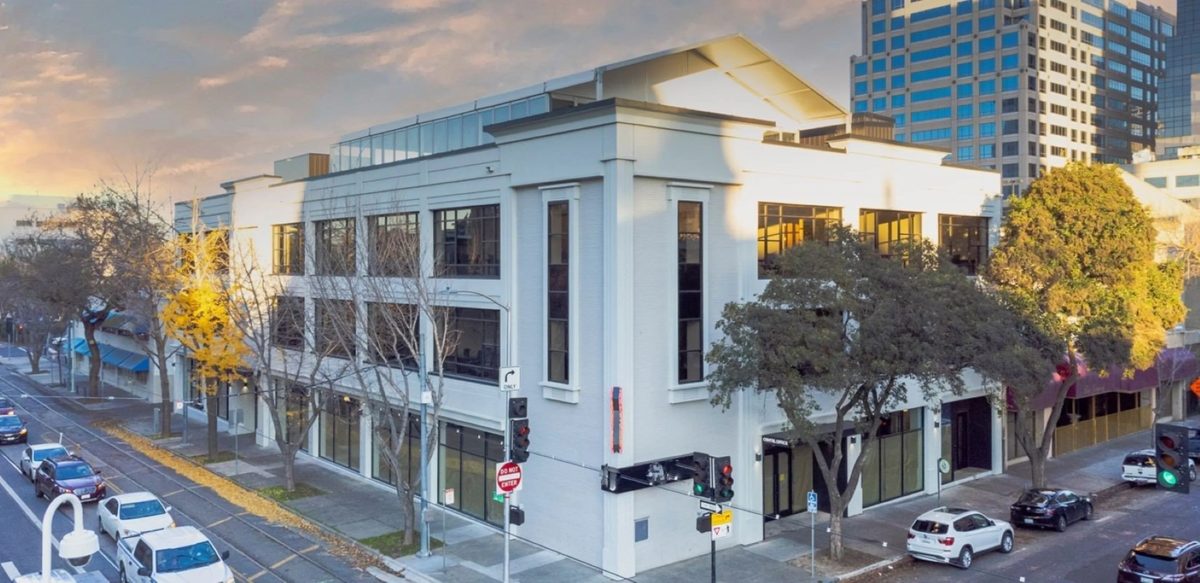
Boots & Beer licensed for on-sale beer at 1610 R Street in Sacramento

Boots & Beer licensed for on-sale beer at 1610 R Street in Sacramento

Rule Changes Sacramento, CA local

A type 40 license covers beer only, served on the premises. The record names a company and an address — not what the business will be.

Overview

Updated 7 hours ago
1610 R St
Sacramento, CA
Directions

California's Department of Alcoholic Beverage Control lists an active type 40 license held by Boots & Beer LLC at 1610 R Street in Sacramento. The record is dated November 18, 2026, and the license allows beer only, sold and served on the premises.

That is narrower than it sounds. California splits retail alcohol licenses by what can be sold: a type 40 covers beer alone, while a type 41 adds wine and a type 47 adds distilled spirits. The record shows a licensed address and a named company. It does not describe the business, the size of the space, or whether anyone has been served there.

Why it matters

California's license types decide exactly what can be poured at an address, and a type 40 means beer and nothing else.

Questions about this story

Free account needed to ask — your question is kept and asked for you right after sign-up. Answers are public.

No questions yet — be the first to ask.

Key Indicators

40
ABC license type
Type 40 is on-sale beer: beer only, consumed on the premises.
Active
License status
Status shown in the ABC licensing reports for the November 18, 2026 record.
1
Official records filed
One ABC record at this address, dated November 18, 2026.

Voices

Curated perspectives — historical figures and your fellow readers.

Sign up to generate historical perspectives on this story.

People Involved

Organizations Involved

Timeline

1 event Latest: 2 days ago
  1. ABC lists a beer license for 1610 R Street

    Latest Licensing

    California ABC records show an active type 40 on-sale beer license held by Boots & Beer LLC at 1610 R Street in Sacramento.

Scenarios

1

Beer-only license stays in place at 1610 R Street through 2027

Possible Resolves by Nov 18, 2027

Discussed by: No public forecasts; this is the baseline implied by the license's active status

The simplest path: nothing further is filed and the type 40 record remains active. Beer-only licenses are common at small taprooms and food counters where wine and spirits are not part of the plan. Nothing public yet describes what the operator intends to sell or when.

2

Boots & Beer adds wine and spirits with a broader license

Possible Resolves by Nov 18, 2027

Discussed by: No public forecasts; this follows from how California operators commonly widen a beer-only permit

A type 41 or type 47 filing at the same address would change what can be poured. Operators sometimes start with beer and apply for a broader license once the space and the concept are settled. Whether that happens depends on plans the record does not describe.

3

The license lapses before anything is poured

Unlikely Resolves by Nov 18, 2027

Discussed by: No public forecasts; listed because a license can be surrendered, revoked or dropped

A license can be given up, pulled for cause, or simply not renewed. ABC records would show the change in status. The current record gives no indication which way this goes.

Historical Context

2 moments from history that rhyme with this story — and how they unfolded.

December 1933

Repeal of Prohibition (1933)

The 21st Amendment was ratified on December 5, 1933, ending the national ban on alcohol sales in force since 1920. Rather than set a federal rule, the amendment returned control of alcohol to the states.

Then

States built their own permitting systems, and selling alcohol required a state-issued license.

Now

California's permit-by-permit regime, including the type 40 beer license, descends from that handoff.

Why this matters now

A record like the one at 1610 R Street exists because states, not the federal government, decide who may sell alcohol and in what form.

May 2005

Granholm v. Heald (2005)

The Supreme Court struck down New York and Michigan laws that let in-state wineries ship directly to consumers while barring out-of-state wineries from doing the same. The 5-4 ruling held that the 21st Amendment does not let states discriminate against out-of-state producers.

Then

States rewrote direct-shipping rules for wineries.

Now

The decision confirmed that states keep broad authority to license and regulate alcohol inside their borders, as long as they treat in-state and out-of-state businesses alike.

Why this matters now

It is why the license at 1610 R Street comes from a state agency with its own categories for what may be sold.

Sources

(4)