Anchor

New general merchandise vendor licensed at St. Paul's Hmongtown Marketplace
Money Moves Saint Paul, MN localXiong Kia Lee Dba General Merchandise cleared for food handler retail at 217 Como Ave, home to 200+ vendors
6 days ago: New vendor license on recordNew here? Follow stories to track developments over time. Create a free account to get updates when stories you care about change.
Overview
Updated 1 hour agoA new general merchandise vendor is cleared to open at Hmongtown Marketplace, the first Hmong-owned and operated marketplace in the United States. The Minnesota Department of Agriculture's food handler retail license for Xiong Kia Lee Dba General Merchandise appeared on the agency's list on August 29, 2026.
The license covers 217 Como Ave #203 in St. Paul's Frogtown neighborhood, where the marketplace has operated since 2004. It's a small but concrete sign that the 200+ vendor cultural hub continues to attract new entrepreneurs.
Why it matters
A new vendor at Hmongtown Marketplace shows the first Hmong-owned US marketplace still draws entrepreneurs, keeping the Frogtown hub viable.
Questions about this story
Free account needed to ask — your question is kept and asked for you right after sign-up. Answers are public.
No questions yet — be the first to ask.
Key Indicators
200-300
Vendors at Hmongtown Marketplace
The marketplace has hosted 200-300 vendors since opening in 2004.
22
Years since Hmongtown Marketplace opened
Opened in 2004 as the first Hmong-owned marketplace in the US.
Related Media
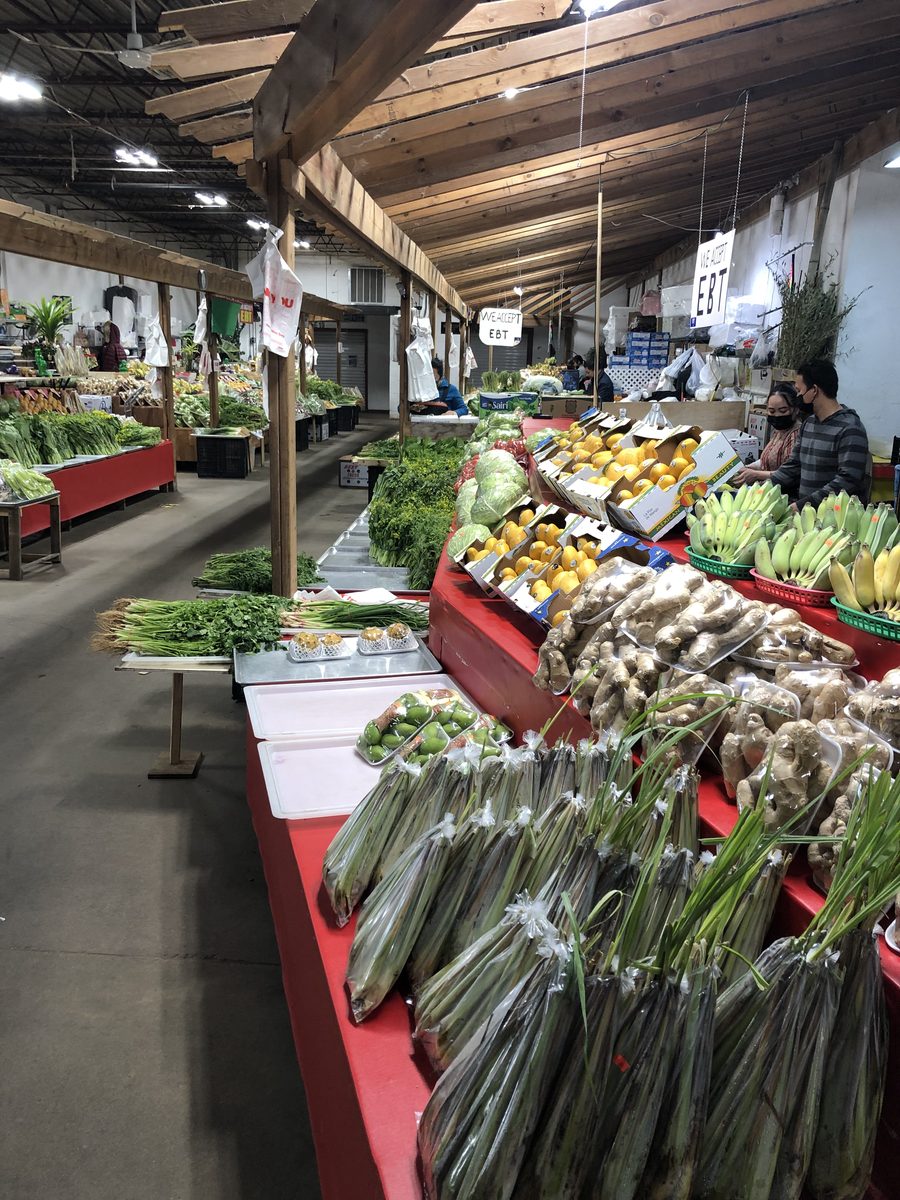
Produce stalls at Hmongtown Marketplace Saint Paul Minnesota
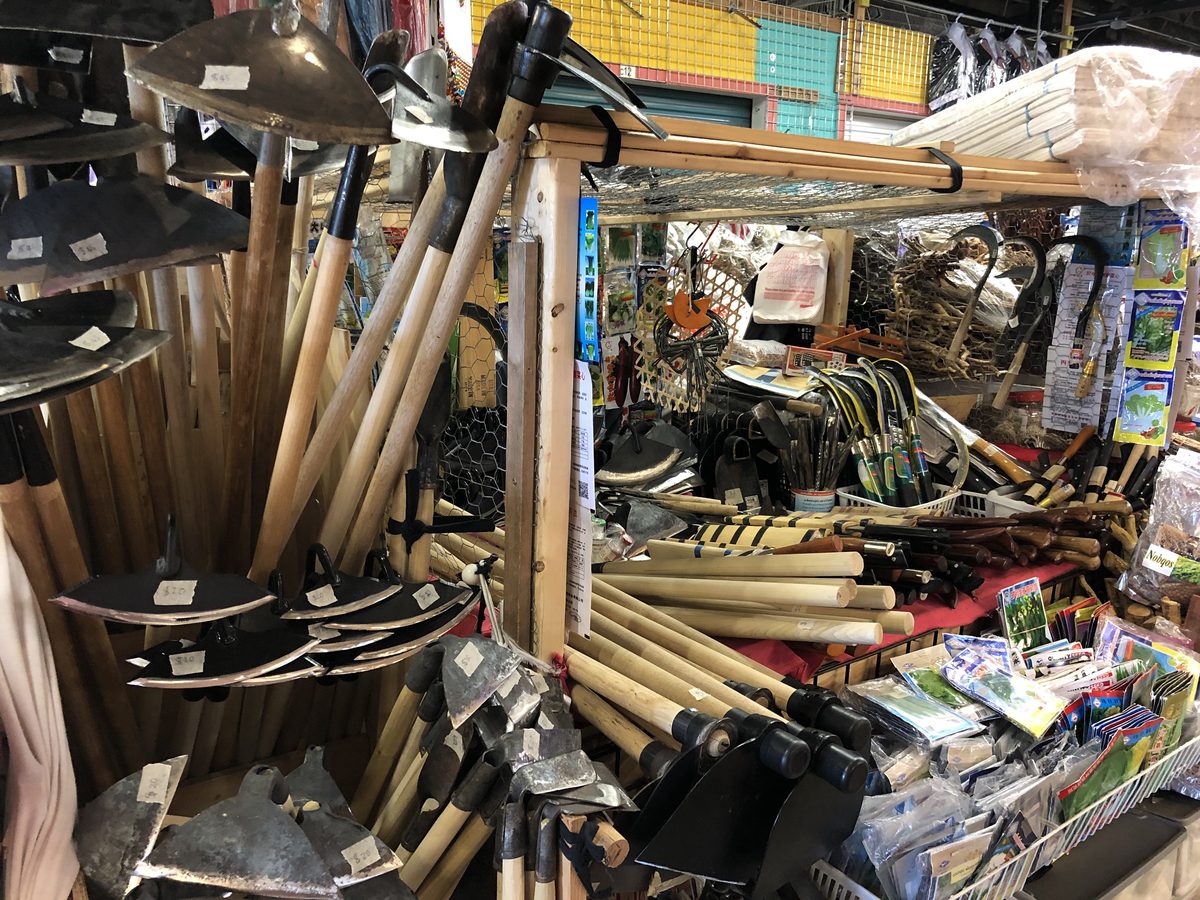
More tools for sale at Hmongtown Marketplace Saint Paul Minnesota
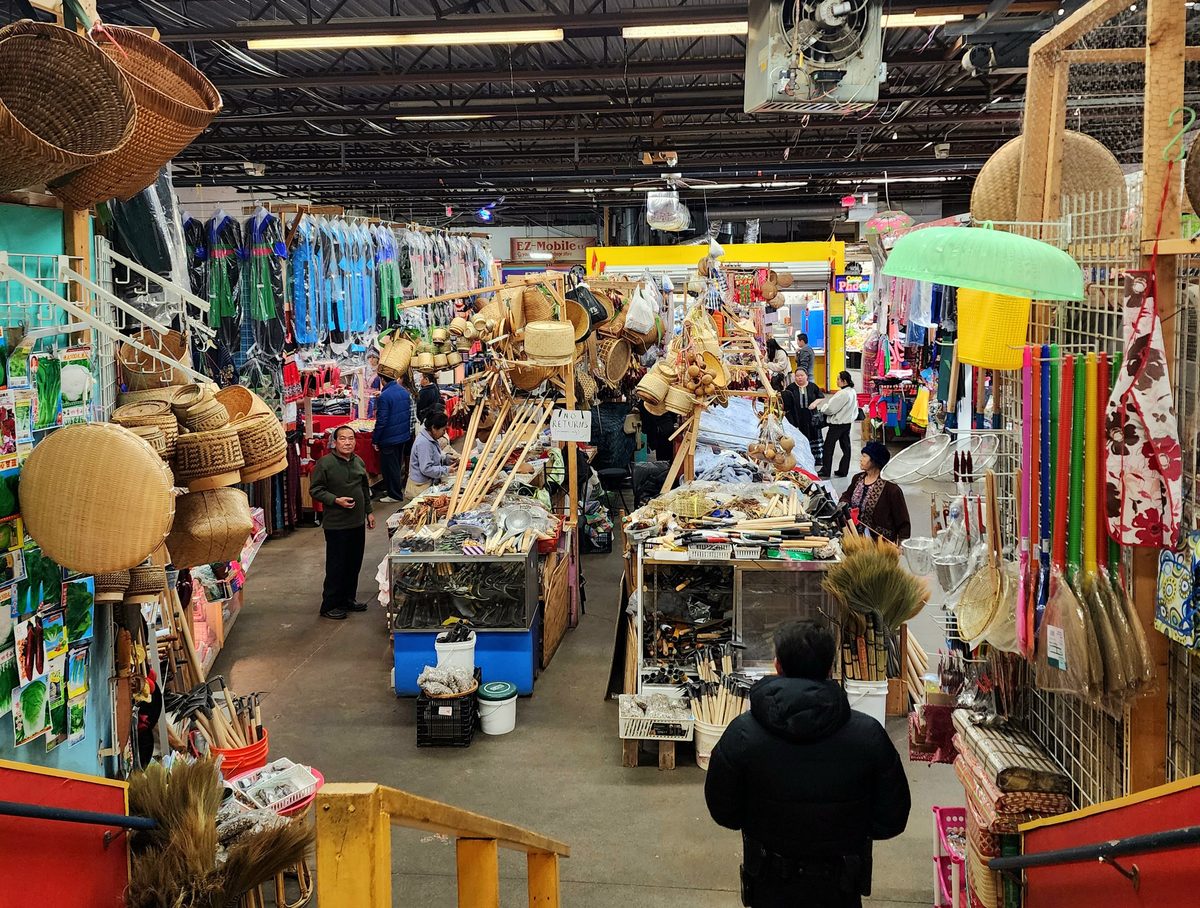
Hmongtown Marketplace East Building weaving booth
2.6K views
2:25
St. Paul's HmongTown Marketplace expanding to site within ...
KSTP 5 Eyewitness News
5.5K views
13:13
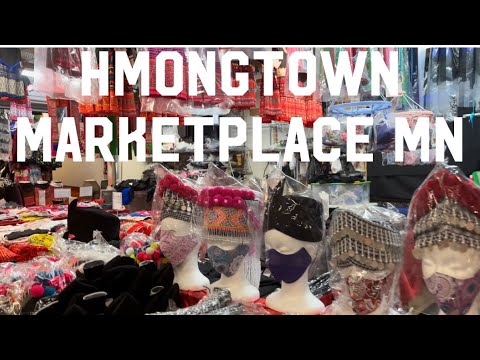
Hmongtown Marketplace St Paul MN
Minnesota PhatFoodies

805 views
1:51
Twin Cities first Karenni grocery acts as third space for the ...
KARE 11
Images from Openverse under Creative Commons licenses. Videos from YouTube.
Voices
Curated perspectives — historical figures and your fellow readers.
Play
Exploring all sides of a story is often best achieved with Play.
Most of these play right now — no account needed. Sign up to save scores, keep a streak, and unlock Debate and Predict.
Log in
Sign Up
Higher or Lower
A number from this story, against one from elsewhere in the news — guess which is bigger, then keep the chain going. 5 rounds, 3 strikes; a miss costs a strike and resets your streak.
Example
Anchor
EU tariff revenue
$52B
Big for this kind of number
Mystery
Pentagon AI contract
?
Round 1
Streak: 0
Mystery
?
Keyboard: ↓/L lower · ↑/H higher
0 pts
Best streak: 0 · Rounds: 0
0 points — sign up to put that on the leaderboard.
Now try on this story
Connections
Sixteen names from the news. Find the four hidden groups of four. Four mistakes max.
Loading today's puzzle…
0/4 groups
Mistakes
Sign up to keep a daily streak — a new puzzle lands every day.
Now try on this story
Exit debate?
Your progress in this debate will be lost.
How it works
- 1 Two AI personas square off on this story.
- 2 You predict who'll win each round — correct picks earn XP.
- 3 One crossfire question is yours to fire. Pick it carefully.
Couldn't generate a topic
Select Your Champions
Choose one persona for each side of the debate
DEBATE TOPIC
Choose personas with different perspectives for a more dynamic debate.
SIDE A (PRO)
Select debater for this side:
No debate personas available right now.
SIDE B (CON)
Select debater for this side:
No debate personas available right now.
VS
Get ready to make your prediction...
Round of
Claim
Evidence
Stakes
Crossfire Answer
Closing Statement
Claim
Evidence
Stakes
Crossfire Answer
Closing Statement
Your Crossfire Question
Generating arguments...
Who's Got This Round?
Make your prediction before the referee scores
The referee scores both sides on
Correct predictions earn +20 XP
· Press 1 or 2 to pick
Evidence
40%
Logic
30%
Detail
20%
Style
10%
Round Results
Your Pick
Not this time
(%)
Overall Score
/10
Your Pick
Not this time
(%)
Overall Score
/10
Set the Crossfire
Pick the question both personas must answer in the final round
Crafting crossfire questions...
Choosing a question earns +10 XP crossfire bonus
🏆
Total XP Earned
Cred Change
Predictions
Debate Oracle! You called every round!
Sharp Instincts! You know your debaters!
The Coin Flip Strategist! Perfectly balanced!
The Contrarian! Bold predictions!
Inverse Genius! Try betting the opposite next time!
XP Breakdown
Base completion
+20 XP
Rounds played ( rounds x 5 XP)
+ XP
Correct predictions ( correct x 20 XP)
+ XP
Crossfire bonus
+10 XP
Accuracy
%
Prediction History
Round
You picked:
✓
✗
Now try on this story
Keep debating to level up your credibility and unlock achievements
People Involved
Organizations Involved
Hmongtown Marketplace
Retail marketplace
Venue for the new vendor
First Hmong-owned and operated marketplace in the US, with 200-300 vendors in St. Paul's Frogtown neighborhood.
Minnesota Department of Agriculture
State agency
Issued the food handler retail license
State agency that licenses food handler retail businesses in Minnesota.
Timeline
2004 August 2026
2 events
Latest: 6 days ago
-
New vendor license on record
Latest LicensingFood handler retail license for Xiong Kia Lee Dba General Merchandise appears on Minnesota Department of Agriculture list.
-
Hmongtown Marketplace opens in St. Paul
OpeningFirst Hmong-owned and operated marketplace in the US opens at 217 Como Ave.
Historical Context
3 moments from history that rhyme with this story — and how they unfolded.
1975-1990s
Hmong resettlement in Minnesota (1975-1990s)
After the Vietnam War, tens of thousands of Hmong refugees resettled in Minnesota, many in St. Paul. The community built businesses and institutions, including the marketplace that opened in 2004.
Then
The Hmong community established a strong presence in St. Paul's Frogtown and surrounding neighborhoods.
Now
Minnesota became home to one of the largest Hmong populations in the US, with a thriving entrepreneurial ecosystem.
Why this matters now
The new vendor is part of this broader pattern of Hmong American entrepreneurship in St. Paul.
2004
Hmongtown Marketplace opens (2004)
Toua Xiong opened Hmongtown Marketplace at 217 Como Ave in St. Paul, creating the first Hmong-owned and operated marketplace in the United States. It started as a hub for Hmong American vendors selling food, produce, and cultural goods.
Then
The marketplace quickly grew, attracting hundreds of vendors and becoming a cultural landmark in the Frogtown neighborhood.
Now
It became a model for ethnic enclave marketplaces and a key economic engine for the Hmong American community in Minnesota.
Why this matters now
This is the venue where the new vendor is licensed to open, and the marketplace's success is what makes the location attractive.
1980s
Little Saigon, Orange County (1980s)
Vietnamese refugees built a commercial district in Orange County, California, that became a model for ethnic enclave entrepreneurship. It grew from small shops to a major economic and cultural hub.
Then
Little Saigon became a destination for Vietnamese American goods and services.
Now
It demonstrated how refugee communities can build self-sustaining commercial districts.
Why this matters now
Hmongtown Marketplace follows a similar pattern of refugee community entrepreneurship, and new vendors like this one keep it viable.
Sources
(5)Related Stories
Pk Produce LLC cleared to open in Saint Paul
Money Moves
Updated 2 hours ago
Toung Family Market gains retail food license in Saint Paul
New Capabilities
Updated 2 hours ago
Mna Grocery LLC cleared to sell food at Saint Paul corner store
Rule Changes
Updated 3 hours ago
Dannecker's Grocery & Liquors in Saint Paul licensed to operate under Mcm Inc
Money Moves
Updated 1 hour ago
Little Brazil market and cafe cleared to operate in downtown Saint Paul
New Capabilities
Updated Yesterday
Saint Paul bakery clears food license as Arcade Street rebuild winds down
Rule Changes
Updated 2 hours ago