
Pull to refresh
Logo
Little Brazil market and cafe cleared to operate in downtown Saint Paul

Little Brazil market and cafe cleared to operate in downtown Saint Paul

New Capabilities Saint Paul, MN local

Brazilian bakery, market, and coffee shop holds a state retail food handler license at 230 Spring St.

2 days ago: State license record appears for Little Brazil

Overview

Updated 56 minutes ago

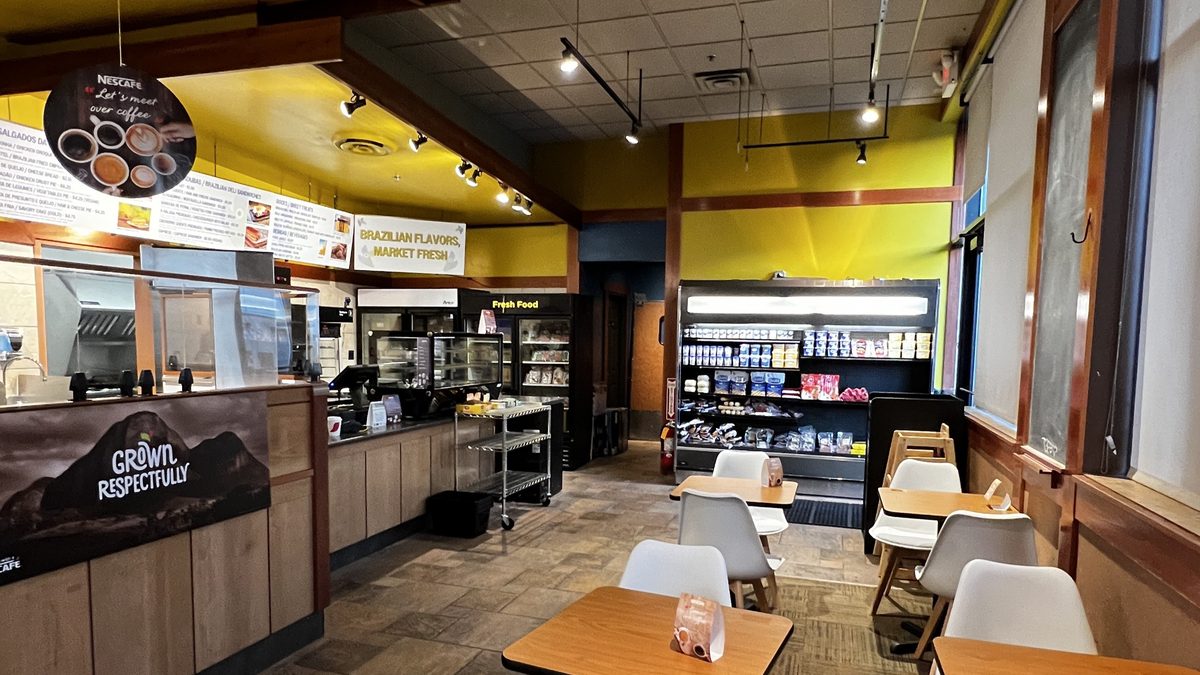
Little Brazil MN Market & Cafe is cleared to operate as a retail food handler in downtown Saint Paul. The Minnesota Department of Agriculture logs the business, run by Little Brazil MN LLC, as licensed at 230 Spring St, near the Xcel Energy Center and the Science Museum of Minnesota.

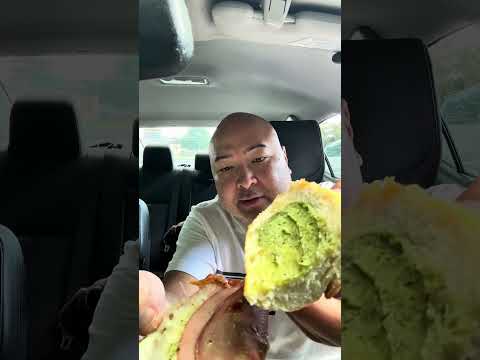
Owner Charles, a Brazilian immigrant, built the business to fill a gap he saw in the Twin Cities: plenty of upscale churrasco steakhouses, but no everyday spot for Brazilian food and imported groceries. The cafe serves coxinhas, pastéis, pão de queijo, and a roast-pork sandwich the Star Tribune named one of the five best in the Twin Cities. For the region's Brazilian community, it is a direct line to home.

Why it matters

Gives Twin Cities Brazilians a place to buy imported pantry staples and everyday meals without steakhouse prices or a long drive.

Questions about this story

Free account needed to ask — your question is kept and asked for you right after sign-up. Answers are public.

No questions yet — be the first to ask.

Key Indicators

95%
Menu made from scratch daily
Owner says nearly all dishes are prepared in-house each day.
5
Star Tribune top-5 sandwich ranking
The business site cites the paper's review naming it among the five best sandwiches in the Twin Cities.

Voices

Curated perspectives — historical figures and your fellow readers.

Ever wondered what historical figures would say about today's headlines?

Sign up to generate historical perspectives on this story.

Play

Exploring all sides of a story is often best achieved with Play.

Most of these play right now — no account needed. Sign up to save scores, keep a streak, and unlock Debate and Predict. Log in Sign Up
Predict 3 ways this could play out. Back the one you believe — contrarian picks score more when a scenario has a resolution date. Log in to play

People Involved

Organizations Involved

Timeline

1 event Latest: 2 days ago
  1. State license record appears for Little Brazil

    Latest Regulatory

    Minnesota Department of Agriculture logs Little Brazil MN LLC as a licensed retail food handler at 230 Spring St, Saint Paul.

Historical Context

2 moments from history that rhyme with this story — and how they unfolded.

1997

Fogo de Chão expands to the United States (1997)

Fogo de Chão, a Brazilian churrasco chain founded in Rio Grande do Sul in 1979, opened its first US location in Dallas in 1997. It introduced Americans to gaucho-style rodizio dining, where servers carve grilled meat tableside, and grew into a national chain that went public in 2015.

Then

The upscale all-you-can-eat format found a wide audience and drew imitators across the country.

Now

Churrascaria became the dominant image of Brazilian food in the US, anchored at the high end of the price scale.

Why this matters now

Little Brazil is the mirror image: an everyday, affordable padaria and market serving the diaspora that steakhouse pricing never reached.

1990s–2000s

Framingham, Massachusetts becomes a Brazilian hub (1990s–2000s)

As Brazilian immigration to Massachusetts grew through the 1980s and 1990s, Framingham developed a corridor of Brazilian restaurants, bakeries, and markets along its main streets. The shops imported groceries and sold home-style food to a community far from home, and Framingham became a national example of diaspora retail infrastructure.

Then

Framingham earned a reputation as a Brazilian enclave and drew continued immigration and business investment.

Now

Community-anchored food retail became the standard pattern for how Brazilian diasporas build presence in US cities.

Why this matters now

Little Brazil replicates that model for the Twin Cities, where Brazilian food was long limited to steakhouses and event catering.

Sources

(4)