
450 new antlerless tags join 12,000 baseline permits across eight units where elk exceed objectives
Yesterday: 450 additional elk permits added as Utah's intense drought persistsNew here? Follow stories to track developments over time. Create a free account to get updates when stories you care about change.
Overview
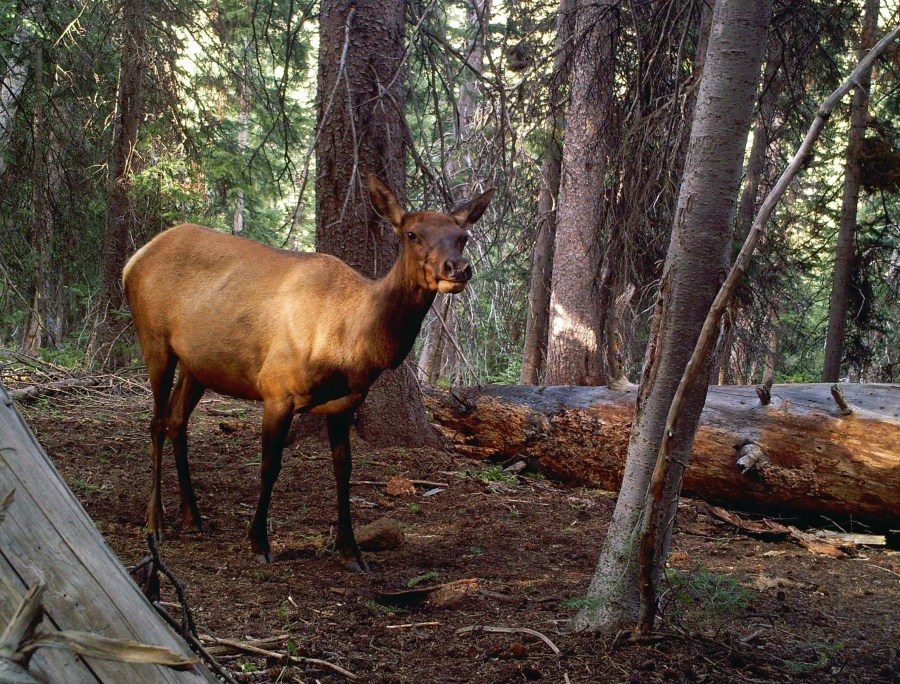
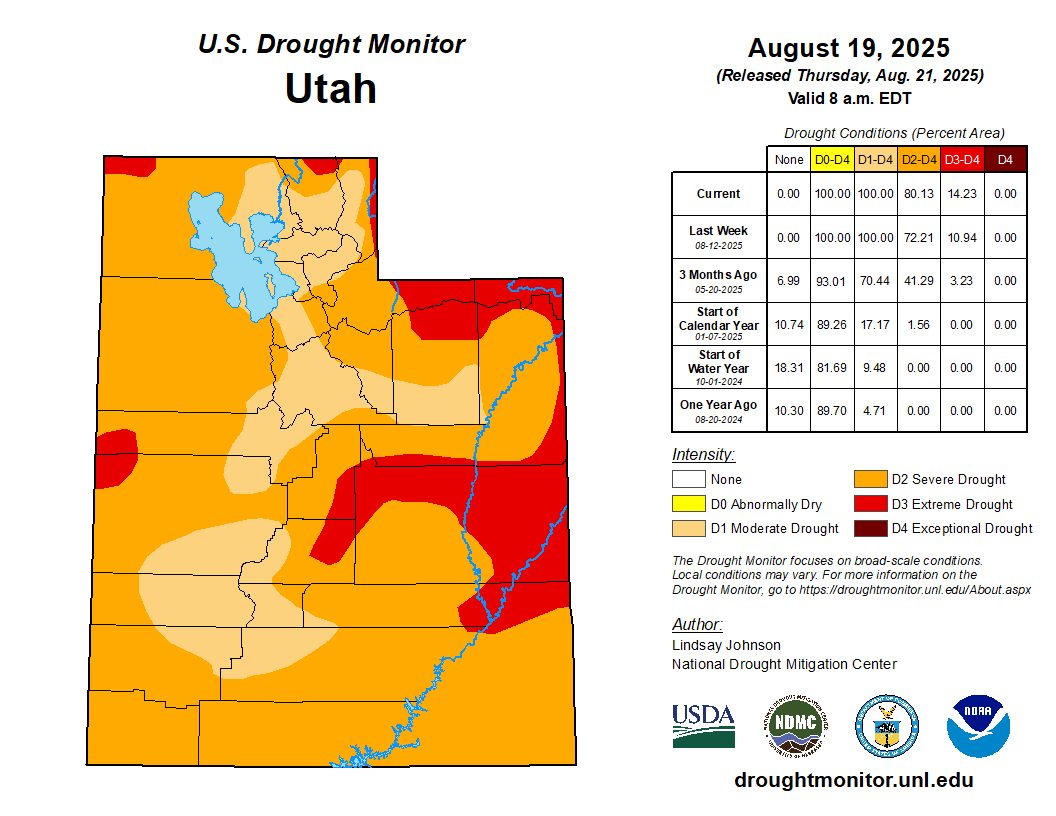
Updated 2 hours agoUtah's elk are running out of food. Statewide reservoirs sit at 32% capacity, drought has withered the forage elk depend on, and herds have grown beyond what the land can carry. The Utah Wildlife Board on Aug. 20 added 450 antlerless elk hunting permits across eight units where elk exceed population objectives by hundreds.
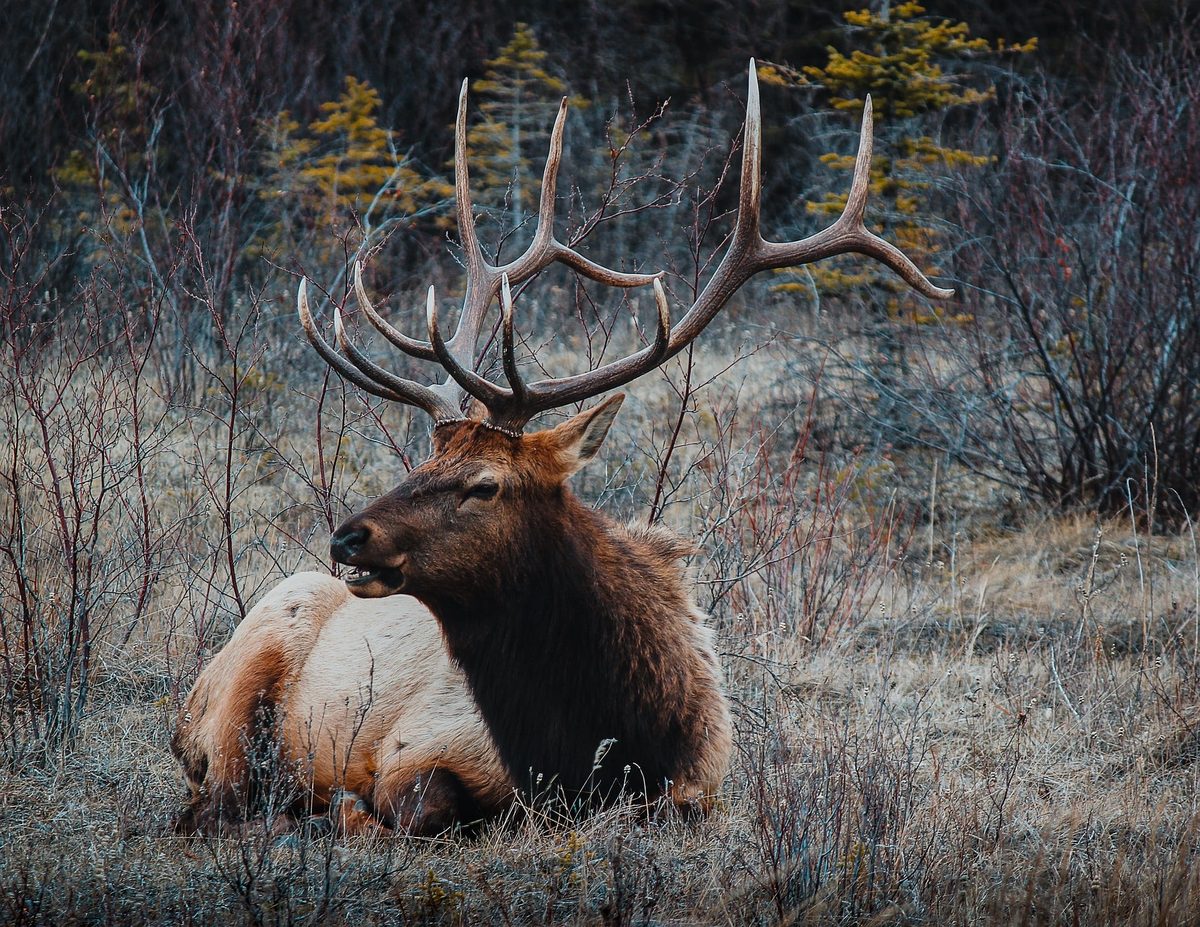
The new tags are on top of about 12,000 antlerless permits already issued in the spring draw. Statewide, elk are estimated at 83,020, about 2,420 above the management objective of 80,600. Managers say active harvest beats letting elk starve, wander onto highways, or eat farmers' crops.
Why it matters
With reservoirs at 32%, western states are using hunting permits to manage wildlife before starvation and conflicts with towns get worse.
Questions about this story
Free account needed to ask — your question is kept and asked for you right after sign-up. Answers are public.
No questions yet — be the first to ask.
Key Indicators
Voices
Curated perspectives — historical figures and your fellow readers.
Play
Exploring all sides of a story is often best achieved with Play.
Higher or Lower
A number from this story, against one from elsewhere in the news — guess which is bigger, then keep the chain going. 5 rounds, 3 strikes; a miss costs a strike and resets your streak.
Keyboard: ↓/L lower · ↑/H higher
0 points — sign up to put that on the leaderboard.
Connections
Sixteen names from the news. Find the four hidden groups of four. Four mistakes max.
Sign up to keep a daily streak — a new puzzle lands every day.
Exit debate?
Your progress in this debate will be lost.
- 1 Two AI personas square off on this story.
- 2 You predict who'll win each round — correct picks earn XP.
- 3 One crossfire question is yours to fire. Pick it carefully.
Couldn't generate a topic
Select Your Champions
Choose one persona for each side of the debate
DEBATE TOPIC
Choose personas with different perspectives for a more dynamic debate.
Select debater for this side:
No debate personas available right now.
Select debater for this side:
No debate personas available right now.
Who's Got This Round?
Make your prediction before the referee scores
The referee scores both sides on
Round Results
Set the Crossfire
Pick the question both personas must answer in the final round
Debate Oracle! You called every round!
Sharp Instincts! You know your debaters!
The Coin Flip Strategist! Perfectly balanced!
The Contrarian! Bold predictions!
Inverse Genius! Try betting the opposite next time!
XP Breakdown
Prediction History
People Involved
Organizations Involved
Utah's state agency responsible for managing wildlife populations and hunting regulations.
Seven-member citizen board that sets hunting, fishing, and wildlife-management policy for Utah.
Utah's land-grant university, whose wildlife ecology researchers study drought impacts on habitat.
Timeline
July 2026 September 2026
-
450 additional elk permits added as Utah's intense drought persists
Latest Media CoverageKSL reports on the permit increase and alternate-draw distribution to hunters.
-
Deseret News reports elk permits as reservoirs hit 32%
Media CoverageDeseret News details the permit increase and notes statewide reservoir storage is at 32% capacity.
-
Regional outlets detail eight affected elk units
Media CoverageKPCW and TownLift report the 450 additional antlerless elk permits, listing Panguitch Lake, Mt. Dutton, Monroe, Fishlake, Boulder, North Slope–Three Corners, Nebo, and Wasatch.
-
DWR announces elk permit increase and bison hunt changes
AnnouncementDivision of Wildlife Resources issues official notice; also waives surrender requirements for Book Cliffs bison hunt.
-
Utah Wildlife Board approves 450 additional elk permits
Policy DecisionBoard unanimously approves 450 antlerless elk permits across eight hunting units citing drought-reduced forage.
-
Pneumonia kills 40% of Book Cliffs bison herd
Wildlife EventA pneumonia outbreak in the Book Cliffs' Bitter Creek area kills nearly 40% of adult bison over several weeks.
Historical Context
3 moments from history that rhyme with this story — and how they unfolded.
Dust Bowl cattle buyout (1934)
Extreme drought across the Southern Plains destroyed forage for millions of cattle. The federal government, through the Federal Surplus Relief Corporation, bought and slaughtered over 8 million cattle to shrink herds that the land could not feed.
Millions of cattle were culled; ranchers received payments but lost their herds.
Established a precedent for government-managed herd reduction when drought eliminates forage.
Like the Dust Bowl buyout, Utah's permit increase is government action to align animal numbers with drought-limited forage. The difference: the 1930s paid ranchers to give up animals; today's state charges hunters for the right to take them.
Yellowstone elk management
After wolves were reintroduced to Yellowstone in 1995, elk on the park's northern range grew then fluctuated dramatically. The park service used qualified volunteer hunters to cull excess elk while debate raged over whether hunting or natural predation should control herds.
Northern-range elk dropped from roughly 17,000 to about 8,000 animals.
Normalized hunting as a legitimate elk management tool on public land.
Shows the long-running American debate about hunting vs. letting nature take its course. Utah's drought-driven permits continue that same argument under new stress.
Great Basin wild horse gathers (2010s-present)
The Bureau of Land Management gathers wild horses across the West when herds exceed range carrying capacity, especially during drought. Removed horses go to long-term holding facilities.
Target herds are thinned, but holding and feeding removed horses costs taxpayers tens of millions of dollars annually.
Ongoing controversy over whether gathers are humane, effective, and fair to all interests.
Same core dilemma as Utah's elk: what to do when drought-shrunken rangeland can't support current animal numbers. But wild horses are widely beloved, and the backlash against their removal shows what happens when the public rejects the culling tool.
