
Pull to refresh
Logo
Salt Lake City opens permanent supportive housing for people leaving homelessness

Salt Lake City opens permanent supportive housing for people leaving homelessness

Built World Salt Lake City, UT local

The 67-unit KWB Apartments pairs housing with on-site mental health and social services

Today: KWB Apartments opens in Salt Lake City

Overview

Updated 1 hour ago

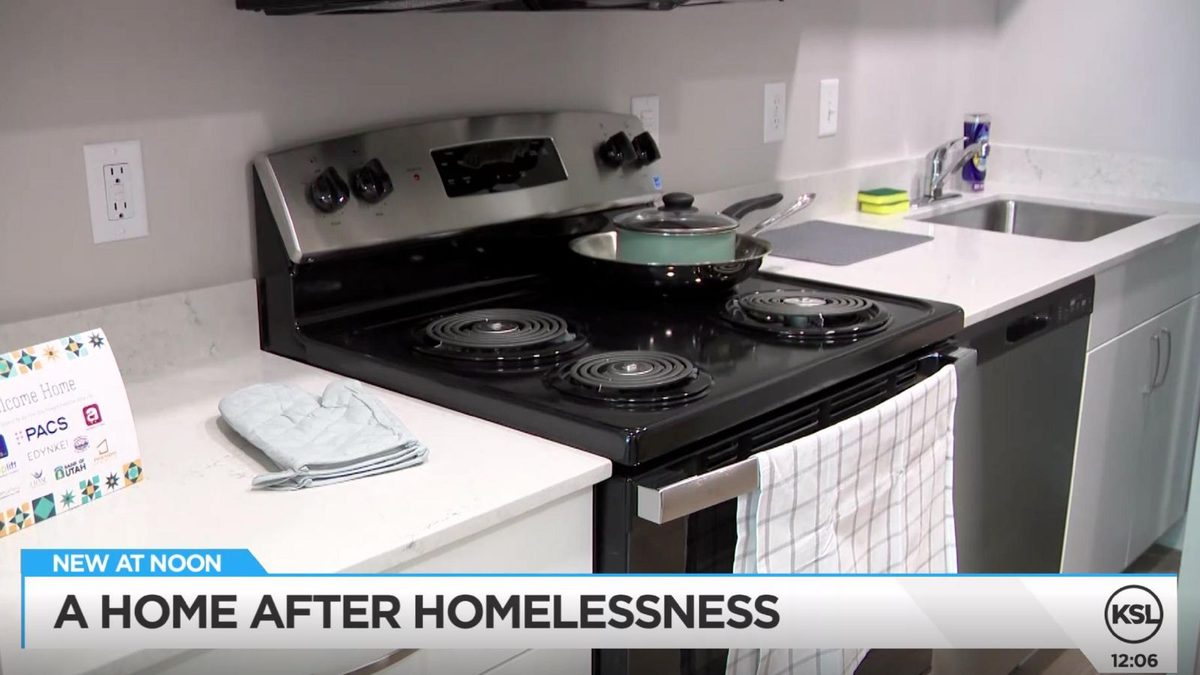
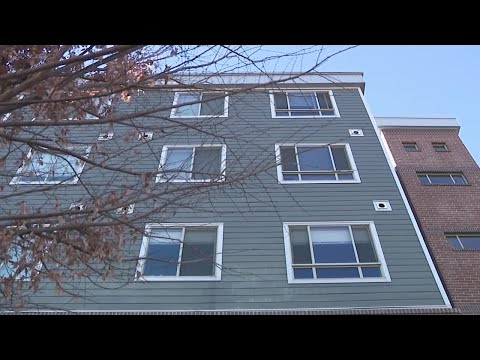
Salt Lake City opened the KWB Apartments on September 17, adding 67 permanent supportive housing units for people leaving long-term homelessness. Each unit pairs an apartment with on-site mental health and social services, the model known as permanent supportive housing.

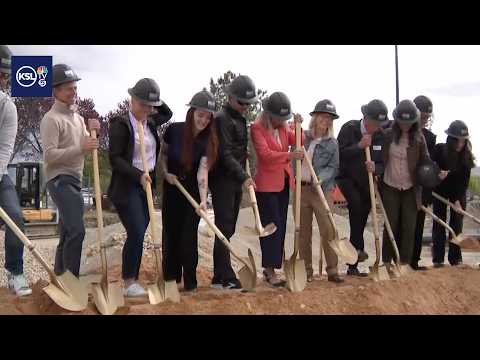
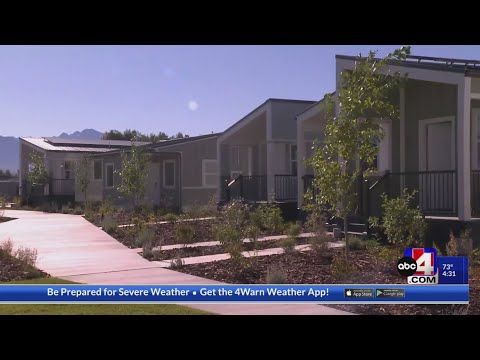
The opening is the latest step in a three-year build-out of Utah's homelessness infrastructure, which also includes a 50-bed microshelter community and plans for a 600-to-800-bed emergency shelter. The question now is whether permanent housing with services keeps more people off the streets than shelter beds alone.

Why it matters

These 67 units test whether Utah can move people from chronic homelessness into stable housing with on-site care, not just shelter them temporarily.

Questions about this story

Free account needed to ask — your question is kept and asked for you right after sign-up. Answers are public.

No questions yet — be the first to ask.

Key Indicators

67
Permanent supportive housing units at KWB Apartments
Opened September 2026 for people leaving chronic homelessness.
50
Capacity of Salt Lake City's microshelter community
State-run low-barrier pods at 548 S 700 West, operated by Switchpoint.
$25M
Utah 2025 legislative funding for low-barrier shelter
Set aside by the 2025 Legislature, covering microshelters and emergency shelter planning.

Voices

Curated perspectives — historical figures and your fellow readers.

Ever wondered what historical figures would say about today's headlines?

Sign up to generate historical perspectives on this story.

People Involved

Organizations Involved

Timeline

December 2023 September 2026

5 events Latest: Today
Tap a bar to jump to that date
  1. KWB Apartments opens in Salt Lake City

    Today Opening

    67 permanent supportive housing units open for people leaving chronic homelessness.

  2. Utah Legislature funds low-barrier shelter expansion

    Funding

    State sets aside about $25 million for low-barrier shelter and plans 600-800 bed emergency shelter.

  3. New 50-bed microshelter opens under freeway overpass

    Facility

    State relocates microshelter to UDOT property at 548 S 700 West, operated by Switchpoint.

  4. Microshelter pilot site closes

    Facility

    Clients leave the original site to prepare for relocation to a new location.

  5. Salt Lake City opens first microshelter pilot

    Facility

    City and state partner to launch a 25-pod temporary microshelter community downtown.

Scenarios

1

KWB Reaches Full Occupancy, Utah Expands Supportive Housing

Likely Resolves by Sep 17, 2027

Discussed by: Utah Office of Homeless Services; Kem C. Gardner Policy Institute analysts

If the 67 units fill quickly and residents stay housed, officials will point to KWB as proof the model works at scale. That momentum could fund additional permanent supportive housing developments across the state.

2

High Turnover at KWB Raises Questions About Housing First

Possible Resolves by Sep 17, 2027

Discussed by: State legislators skeptical of Housing First; University of Utah researchers

If a significant share of KWB residents return to homelessness within the first year, critics will argue the model overpromises. That would give state legislators cover to shift funds toward shelter beds and temporary options.

3

Utah Legislature Cuts Supportive Housing Funding in 2027 Budget

Unlikely Resolves by Q1 2027

Discussed by: Utah Legislative Fiscal Analyst; state budget watchers

If the state faces a budget shortfall in 2027, the legislature could cut new funding for permanent supportive housing. That would freeze the pipeline for future projects like KWB and test whether existing units can sustain operations.

Historical Context

2 moments from history that rhyme with this story — and how they unfolded.

1992

Pathways to Housing (1992)

Psychologist Sam Tsemberis founded Pathways to Housing in New York City, pioneering the Housing First model: immediate, permanent housing with no precondition of sobriety or treatment. Randomized studies later showed Housing First clients stayed housed at significantly higher rates than those in treatment-first programs.

Then

The model spread to dozens of cities and became the basis for federal homelessness policy under HUD.

Now

It remains the dominant framework for ending chronic homelessness in the U.S., though questions persist about costs and service intensity.

Why this matters now

KWB follows the Pathways formula of housing without preconditions plus voluntary services. The model's decades of evidence is the backdrop for Utah's current investment.

March 2015

Utah's Housing First experiment (2015)

In 2015, Gov. Gary Herbert announced a 91% drop in chronic homelessness since 2005, crediting Utah's Housing First model, which places people in permanent housing without requiring sobriety first. The announcement made Utah a national case study in the approach.

Then

National media celebrated the result, and other states adopted similar policies. But subsequent counts found homelessness rising again in following years, complicating the success story.

Now

The experience left Utah officials determined to build durable housing supply rather than declare victory. It also fueled skepticism among some legislators about whether Housing First delivers lasting results.

Why this matters now

KWB Apartments is the latest bet on the Housing First model. Utah's earlier overclaimed success shows why officials now emphasize sustained housing production over headline numbers.

Sources

(3)