

Pull to refresh
Logo
Salt Lake City considers zoning change to allow more housing types across a third of the city

Salt Lake City considers zoning change to allow more housing types across a third of the city

Rule Changes Salt Lake City, UT local

Proposal would let homeowners build second homes, duplexes, and small four-unit buildings in six residential zones

Today: Second-home construction becomes focus

Overview

Updated 54 minutes ago

Salt Lake City's median home price has climbed 73% since 2017 to nearly $565,500. A household now needs more than $150,000 in income to secure a mortgage — double the city's median salary.

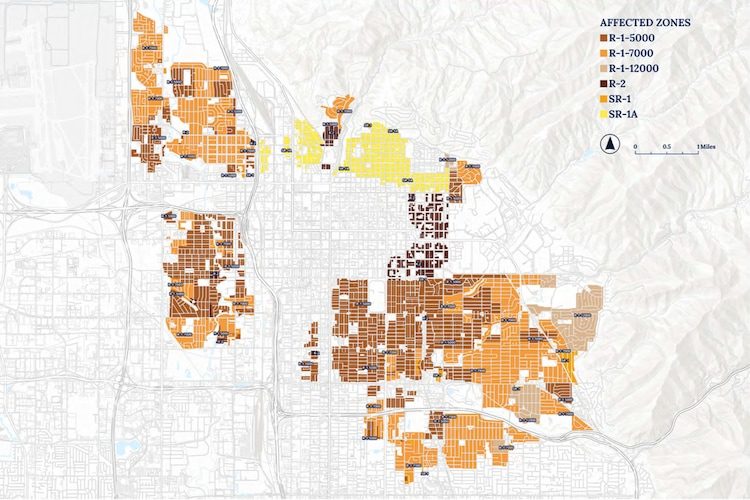
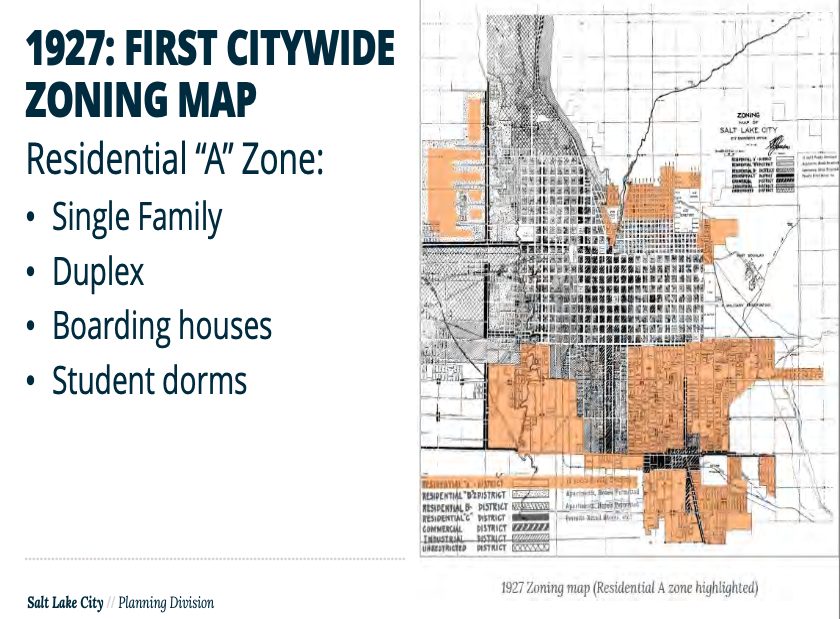
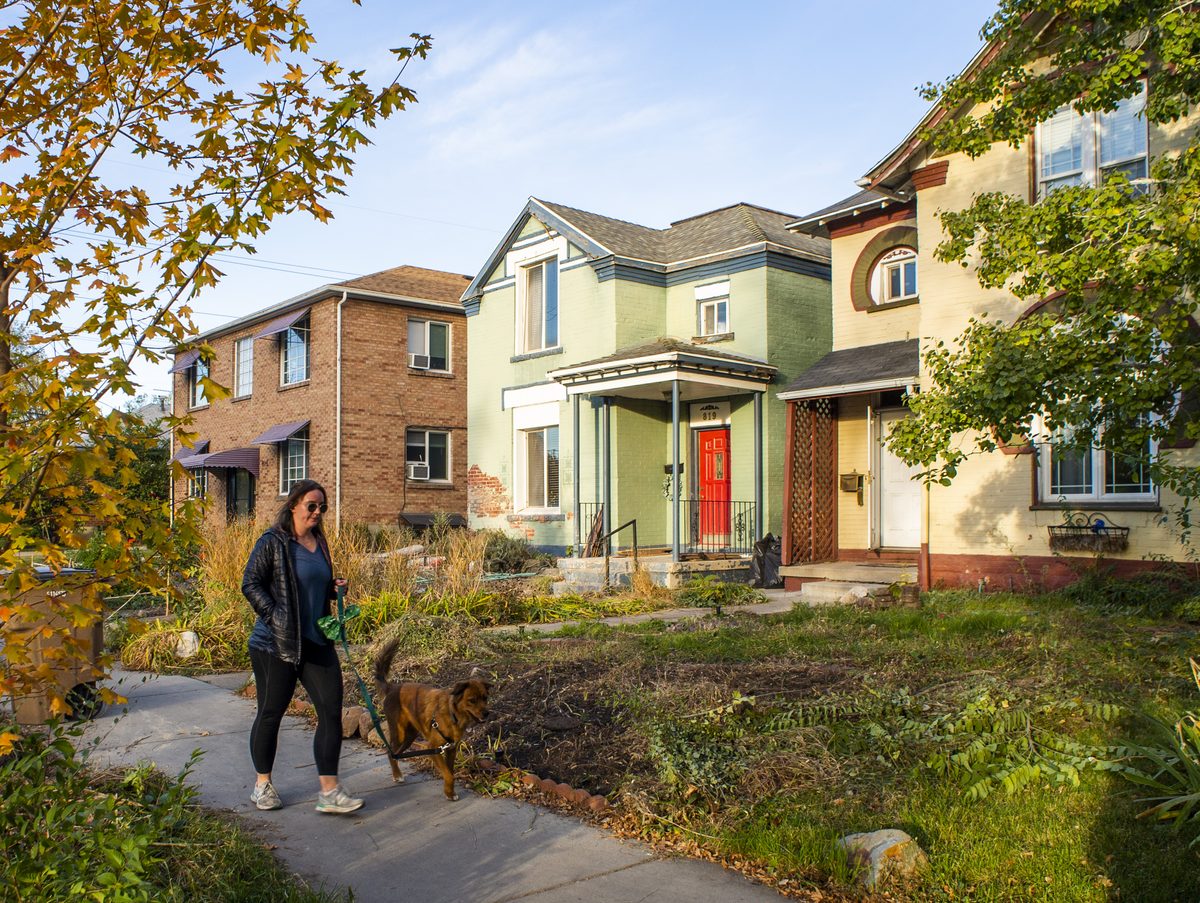
The city council is weighing a zoning change that would let homeowners on roughly 33,000 large residential lots build second homes, duplexes, triplexes, and small four-unit townhomes. It would apply across a third of the city's land without rezoning anything. City planners say it restores the housing mix Salt Lake City had in the 1920s, before single-family-only zoning took over.

Why it matters

If the zoning change passes, thousands of Salt Lake City households priced out of homeownership could find options in neighborhoods they can't afford.

Questions about this story

Free account needed to ask — your question is kept and asked for you right after sign-up. Answers are public.

No questions yet — be the first to ask.

Key Indicators

33,000
Residential properties affected
Properties across six residential zones covering more than a third of the city's land.
73%
Home price increase since 2017
Median home price rose from about $327,000 to nearly $565,500.
$565,500
Median home price
Roughly 73% above the 2017 median, a figure that has held steady since a 2022 peak.
43.5%
City homeownership rate
Far below the statewide average of 69%.
9 in 10
Renters priced out of homeownership
Salt Lake City estimates nearly 90% of renters cannot afford to buy a home.

Voices

Curated perspectives — historical figures and your fellow readers.

Ever wondered what historical figures would say about today's headlines?

Sign up to generate historical perspectives on this story.

Play

Exploring all sides of a story is often best achieved with Play.

Most of these play right now — no account needed. Sign up to save scores, keep a streak, and unlock Debate and Predict. Log in Sign Up
Predict 3 ways this could play out. Back the one you believe — contrarian picks score more when a scenario has a resolution date. Log in to play

People Involved

Organizations Involved

Timeline

January 1920 September 2026

5 events Latest: Today
Tap a bar to jump to that date
  1. Second-home construction becomes focus

    Today Policy

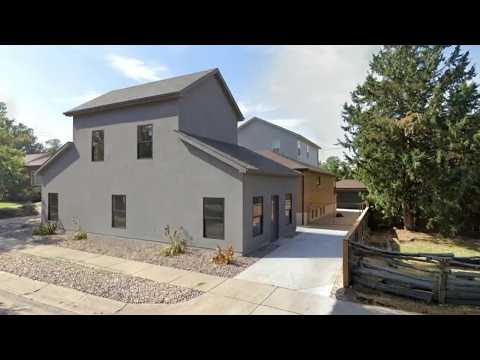
    KSL reports the zoning ordinance would ease second-home construction on larger residential lots.

  2. Proposal details reach the public

    Statement

    Planners present 'Expanding Housing Options' affecting 33,000 properties across a third of the city.

  3. City Council initiates zoning amendment

    Policy

    Council directed planners to draft rules allowing more housing types in six residential zones.

  4. Home prices begin steep climb

    Market

    Median home price starts rising toward its 2022 peak, up 73% by late 2025.

  5. Original zoning code permits diverse housing

    Policy

    Salt Lake City's early code allowed varied housing types before density limits were added.

Historical Context

3 moments from history that rhyme with this story — and how they unfolded.

December 2018

Minneapolis 2040 Plan (2018)

Minneapolis became the first major U.S. city to end single-family zoning, allowing up to three housing units on any residential lot.

Then

The plan passed the city council 12-3 and withstood a court challenge from opponents.

Now

Inspired zoning reforms in Oregon, California, Washington, and cities nationwide.

Why this matters now

Shows a single city can unwind single-family zoning and that the approach survives political and legal challenges.

June-July 2019

Oregon House Bill 2001 (2019)

Oregon banned single-family-only zoning statewide, allowing duplexes in cities over 10,000 and fourplexes in the largest cities.

Then

Passed with bipartisan support and survived a referendum challenge.

Now

Set a precedent for statewide middle-housing mandates later copied by California and Washington.

Why this matters now

Demonstrates the same zoning mechanism Salt Lake City wants, applied at a larger, statewide scale.

2010s-2020s

Durham, North Carolina middle housing (2010s-2020s)

Durham relaxed rules on smaller homes and middle housing, and its home costs run $250,000 to $300,000 below median prices in cities without such reforms.

Then

Infill development spread through established neighborhoods.

Now

Durham is now cited by Salt Lake City planners as evidence that zoning reform lowers costs.

Why this matters now

This is the direct model Salt Lake City planners say they want to replicate.

Sources

(3)