
Pull to refresh
Logo
Salt Lake City outlines first phase of Rio Grande District infrastructure

Salt Lake City outlines first phase of Rio Grande District infrastructure

Built World Salt Lake City, UT local

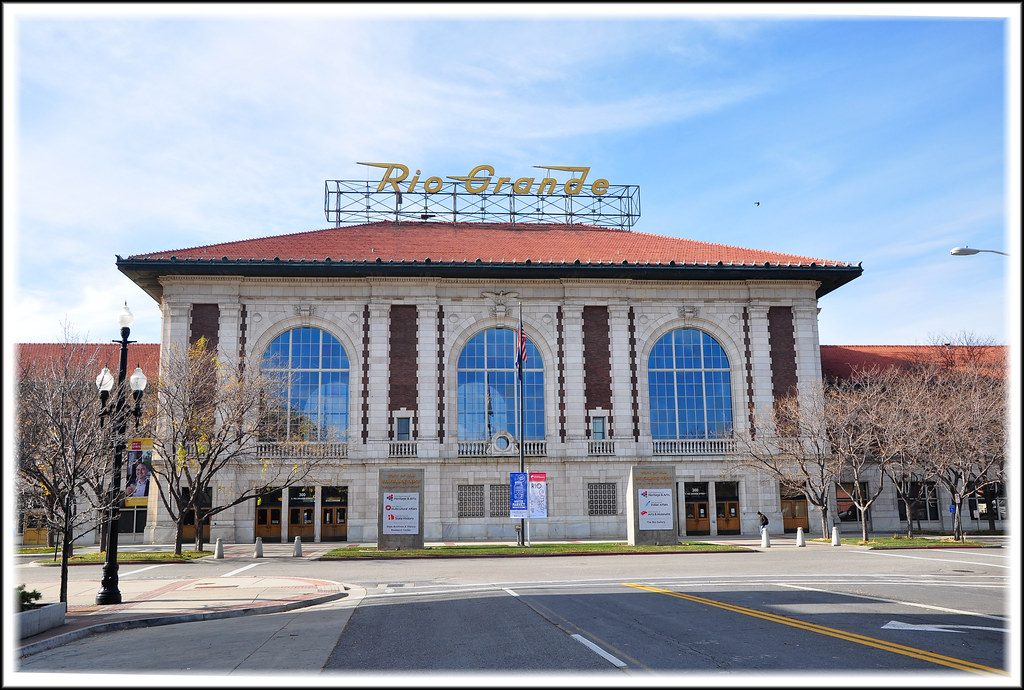
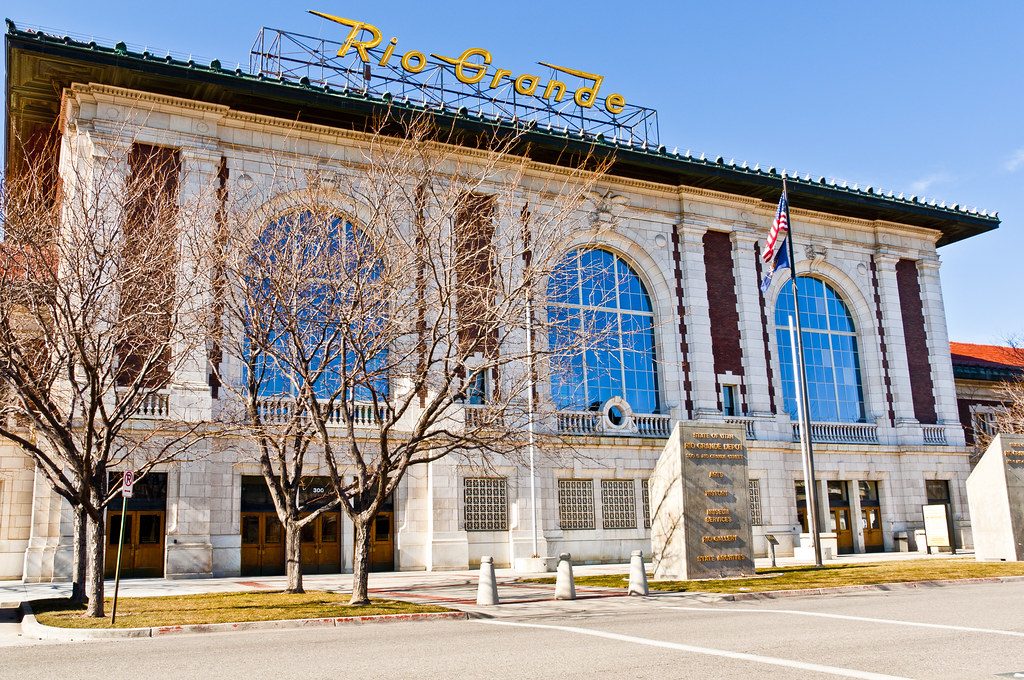
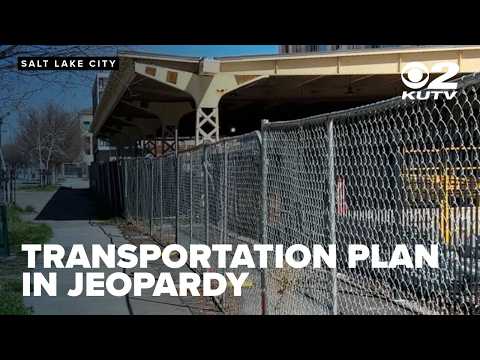
An estimated $14.5M in new roads, an arts alley, and a festival street would help turn vacant land near the Rio Grande Depot into a new downtown district.

Yesterday: CRA board hears $14.5M phase 1 infrastructure estimate

Overview

Updated 1 hour ago

Salt Lake City now has a price tag for the first phase of turning vacant land west of the Rio Grande Depot into a new neighborhood: an estimated $14.5 million for two new roads, an arts alley, and a redesigned 300 South festival street. The estimate is preliminary, with design only 40% complete.

The city has identified about $13.7 million in funding, leaving an $800,000 gap. USA Climbing's planned national training center is the anchor tenant meant to spark private housing, retail, and hotel development around it.

Why it matters

This infrastructure vote decides whether Salt Lake City's downtown can expand west into a new district anchored by USA Climbing's training center.

Monday: what changed in Salt Lake City, UT

One short email a week with the openings, closings, permits and council votes we covered. Free. Unsubscribe in one click.

Questions about this story

Free account needed to ask — your question is kept and asked for you right after sign-up. Answers are public.

No questions yet — be the first to ask.

Key Indicators

$14.5M
Preliminary phase 1 cost estimate
Includes a 20% contingency; design is only 40% complete.
$13.7M
Identified funding
$5M committed by the CRA, plus up to $7.6M from a revenue bond and $1M from developer impact fees.
$800K
Funding gap
Shortfall between identified funding and the preliminary estimate.
40%
Design completion
Earliest stage at which construction costs can be reliably calculated.

Voices

Curated perspectives — historical figures and your fellow readers.

Ever wondered what historical figures would say about today's headlines?

Sign up to generate historical perspectives on this story.

People Involved

Organizations Involved

Timeline

October 2024 October 2026

3 events Latest: Yesterday
  1. CRA board hears $14.5M phase 1 infrastructure estimate

    Latest Funding

    Project manager Wayne Mills presented the preliminary estimate for roads, an arts alley, and a festival street. Board members flagged an $800K funding gap and safety concerns.

  2. Zoning map approved for Rio Grande District

    Regulatory

    New zoning map approved earlier this year to allow dense mixed-use development in the district.

  3. CRA board endorses Rio Grande vision plan

    Planning

    Salt Lake City's Community Reinvestment Agency board endorsed a vision for dense development with ground-floor activation near the Rio Grande Depot.

Scenarios

1

Rio Grande phase 1 clears funding and heads to construction

Possible Resolves by Q2 2028

Discussed by: Salt Lake City planning staff; CRA project manager Wayne Mills

The CRA board closes the roughly $800K gap by reallocating existing funds, securing a city contribution, or raising developer impact fees. A construction contract follows, and USA Climbing breaks ground on its training facility as early as spring 2027, keeping the district's development timeline on track.

2

Funding gap stalls Rio Grande District buildout

Possible Resolves by Q2 2028

Discussed by: City Council Vice Chairwoman Erika Carlsen

The board declines to reallocate funds or pursue a city contribution, postponing phase 1 construction. USA Climbing's facility timeline slips, and private development interest cools until funding is resolved. The district remains largely vacant.

3

Phase 1 cost estimate jumps as design matures

Likely Resolves by End of 2028

Discussed by: Project manager Wayne Mills, who noted the estimate is only 40% complete

At 100% design, the estimate comes in above the $14.5M preliminary figure. The 20% contingency alone covers roughly $2.9M, and if costs exceed identified funding, the board must approve new sources or cut elements like the catenary lighting, tree canopy, or festival street features.

Historical Context

3 moments from history that rhyme with this story — and how they unfolded.

June 2004 – July 2014

Denver Union Station redevelopment (2004-2014)

Denver spent roughly $500 million in public money to renovate the historic 1914 Union Station and build a new transit hub, then used that anchor to attract private office, residential, and hotel development on surrounding surface parking lots.

Then

The station reopened in 2014 as a mixed-use transit hub with a hotel, restaurants, and offices.

Now

The surrounding neighborhood added thousands of apartments and jobs, becoming one of Denver's fastest-growing districts.

Why this matters now

Like the Rio Grande Depot, a historic station serves as the anchor for public infrastructure investment meant to draw private development to vacant land.

1995–2010

Portland Pearl District transformation (1995-2010)

Portland turned a district of abandoned rail yards and warehouses into a dense mixed-use neighborhood, installing new streets, parks, and a streetcar line with public investment before private developers built housing and retail.

Then

The streetcar and park infrastructure drew rapid private development, adding thousands of housing units within a decade.

Now

The Pearl District became a model for transit-oriented infill development in US cities.

Why this matters now

Shows how infrastructure-first investment on vacant rail-adjacent land can spark a full neighborhood — the same mechanism Salt Lake City is attempting.

2004–2019

Hudson Yards, New York (2004-2025)

New York City rezoned a 28-acre rail yard on Manhattan's West Side and invested in a new subway line and platform, allowing developers to build the largest private real estate project in US history above the tracks.

Then

The first towers opened in 2019, anchored by major corporate tenants.

Now

The project filled a long-vacant gap in the city, though it highlighted how public infrastructure enables private development.

Why this matters now

Illustrates both the promise and the long timeline of building a new neighborhood from vacant land with a large public infrastructure investment as the trigger.

Sources

(1)