
Pull to refresh
Logo
Zocalo Coffee opens in Mission Bay pavilion 22 years after it was built

Zocalo Coffee opens in Mission Bay pavilion 22 years after it was built

Built World San Francisco, CA local

A two-year community campaign landed the first tenant for a waterfront space that sat vacant for two decades

2 days ago: Mission Local reports full story

Overview

Updated Yesterday

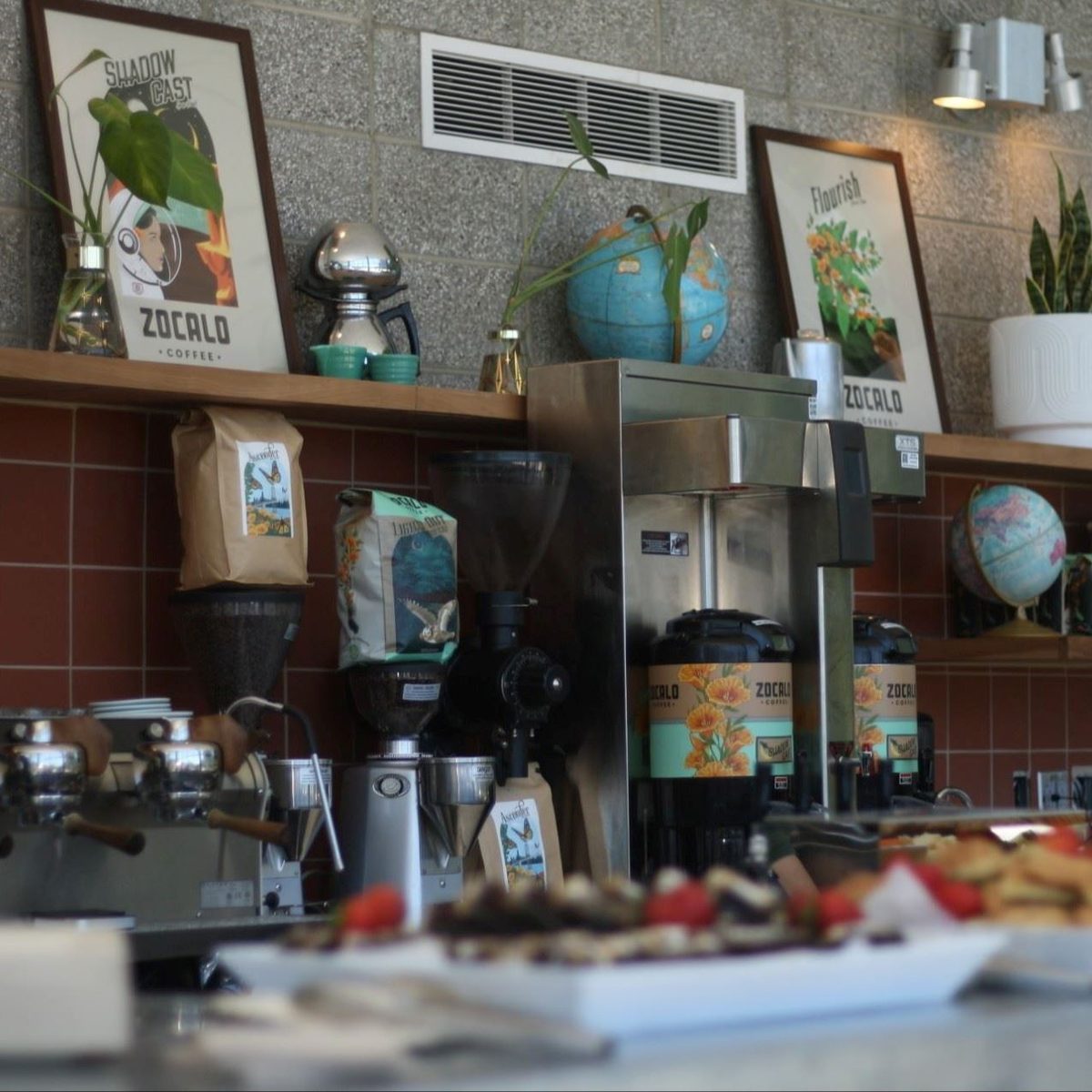
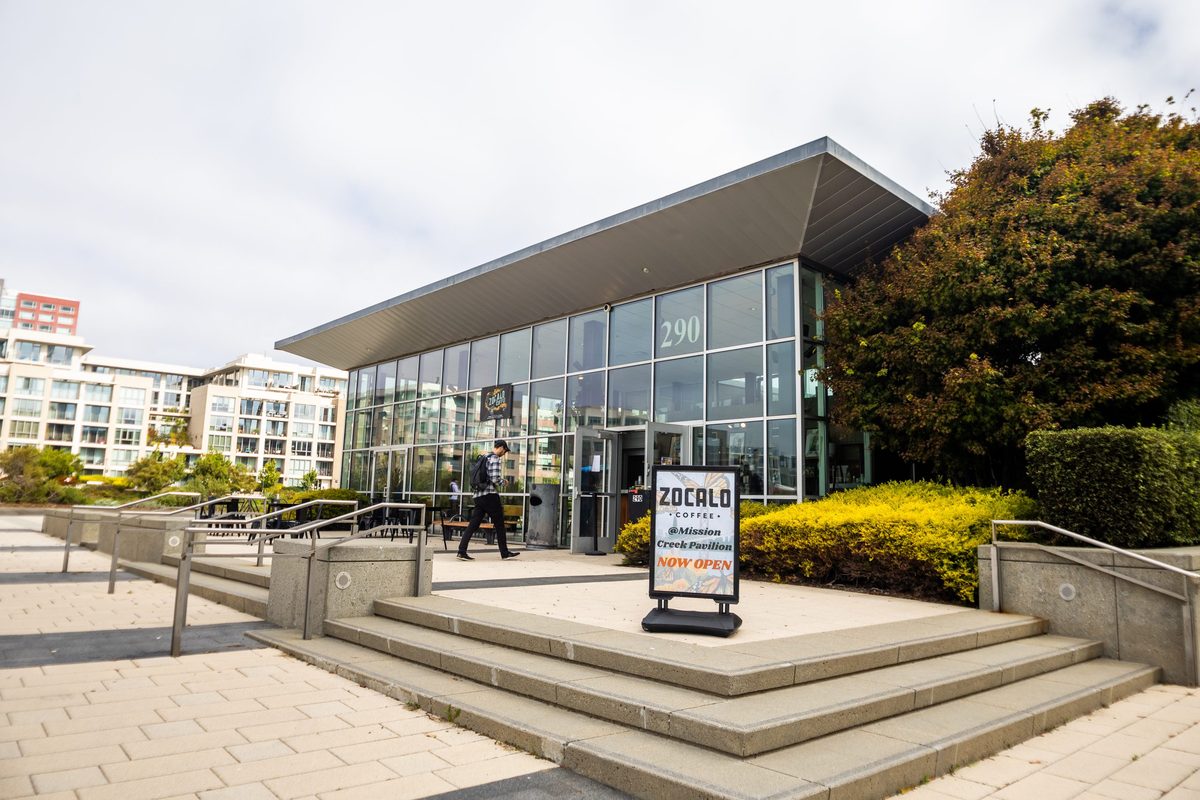
A glass-walled cafe on Mission Creek sat empty for 22 years after the city built it as a restaurant space. On Aug. 1, 2026, Zocalo Coffee opened inside, activating a waterfront pavilion that had been vacant since completion.

The opening came after a two-year community campaign. Neighbors documented low usage of the space, enlisted District 6 Supervisor Matt Dorsey, and pushed the parks department to lease it to a cafe operator. The building now does what it was designed to do in 1998: serve as a gathering place for the neighborhood.

Why it matters

The pavilion sat empty for 22 years. Residents proved community advocacy can unlock city-owned spaces stuck in bureaucratic limbo.

Questions about this story

Free account needed to ask — your question is kept and asked for you right after sign-up. Answers are public.

No questions yet — be the first to ask.

Key Indicators

22 years
Vacancy between construction and opening
The pavilion sat empty from its 2003 completion until Zocalo opened in August 2026.
49
Rentals from July 2023 to February 2025
The pavilion was rented about two to three times per month after Rec and Park took over.
$29,980
Rental fees generated in that period
Fees from 49 rentals over about 19 months, per Rec and Park data.
3-year
Initial lease term
Zocalo's lease with Rec and Park includes two optional three-year extensions.

Voices

Curated perspectives — historical figures and your fellow readers.

Ever wondered what historical figures would say about today's headlines?

Sign up to generate historical perspectives on this story.

Play

Exploring all sides of a story is often best achieved with Play.

Most of these play right now — no account needed. Sign up to save scores, keep a streak, and unlock Debate and Predict. Log in Sign Up
Predict 3 ways this could play out. Back the one you believe — contrarian picks score more when a scenario has a resolution date. Log in to play

People Involved

Organizations Involved

Timeline

January 1998 September 2026

10 events Latest: 2 days ago
Tap a bar to jump to that date
  1. Mission Local reports full story

    Latest Media

    Mission Local publishes the full history of the two-decade vacancy and how community advocacy ended it.

  2. Zocalo opens in pavilion

    Opening

    Zocalo Coffee opens its first San Francisco location in the 22-year-vacant pavilion.

  3. Cafe lease request issued

    Policy

    Rec and Park issues official request for proposals to lease the pavilion as a cafe, the first serious activation attempt.

  4. Rental data reveals minimal use

    Data

    Rec and Park confirms 49 rentals and $29,980 generated since July 2023, about two to three rentals per month.

  5. Parks take over pavilion early

    Policy

    OCII accelerates the handoff of Mission Bay open spaces to Rec and Park, ahead of the planned 2046 transfer.

  6. Redevelopment agencies dissolved

    Policy

    Gov. Brown signs legislation dissolving all 400 local redevelopment agencies, including the agency that built the pavilion.

  7. Pavilion certified complete

    Construction

    The building receives its certification of completion. No lease is attempted.

  8. Food license obtained

    Permitting

    The building obtains a food and beverage handling license before completion.

  9. Pavilion formalized in city records

    Construction

    The Mission Creek Park Pavilion is formalized in San Francisco building inspection records.

  10. Mission Bay plan finalized

    Policy

    San Francisco adopts the redevelopment plan that shapes the Mission Bay district and its waterfront.

Historical Context

3 moments from history that rhyme with this story — and how they unfolded.

1998-2003

Ferry Building revitalization (2003)

The 1898 Ferry Building sat largely underused for decades after automobile bridges replaced ferry service. Starting in 1998, a public-private effort restored the building and converted its main hall into a food market, which opened in 2003.

Then

The Ferry Building drew crowds and new businesses to the Embarcadero within its first year.

Now

Became one of San Francisco's most successful public-space activations, generating significant revenue and anchoring the waterfront.

Why this matters now

Shows that a long-dormant public building with the right operator can become a district anchor. The pavilion follows the same playbook at a neighborhood scale.

1999-2009

The High Line, New York City (2009)

A 1.45-mile elevated rail line on Manhattan's West Side sat abandoned for two decades. A community-led nonprofit, Friends of the High Line, fought demolition and pushed for its transformation into a public park, which opened in 2009.

Then

The park drew millions of visitors and spurred billions in private development along its route.

Now

Became a global model for grassroots-driven adaptive reuse of infrastructure.

Why this matters now

Like the High Line, the pavilion's activation came from persistent community advocacy, not top-down city planning.

2012

California redevelopment agency dissolution (2012)

Gov. Jerry Brown signed legislation dissolving all 400 local redevelopment agencies to redirect tax revenue to schools and counties. The San Francisco Redevelopment Agency, which had built the Mission Creek Park Pavilion, was among them.

Then

A new successor agency, OCII, took over finishing approved projects. Mission Bay open spaces were slated for eventual transfer to city departments — but not until 2046.

Now

The dissolution left a gap in stewardship. No single department championed the pavilion's activation for years, and the building sat without a clear operator.

Why this matters now

The 22-year vacancy traces directly to the 2012 dissolution and the slow, complex handoff that followed.

Sources

(2)