Anchor

FivePoint starts roads and utilities for 675 homes; the full 7,218-home plan runs to 2048
Today: Groundbreaking at Candlestick PointNew here? Follow stories to track developments over time. Create a free account to get updates when stories you care about change.
Overview
Updated 1 hour agoAfter 18 years of planning, the site of the demolished Candlestick Park finally gets construction crews in September 2026. FivePoint starts roads and utilities for about 675 homes — the first slice of a 7,218-home master plan on 270 acres in the Bayview.
The project is one of the Bay Area's largest urban infill developments, and a test of whether master-planned districts can relieve San Francisco's housing shortage. The city has built fewer than 4,000 homes a year for the past five years. The full buildout runs to 2048, with a central park scheduled for 2042.
Why it matters
If built, 7,218 homes would roughly equal two years of San Francisco's housing output — a test of whether mega-projects can break the city's building stall.
Questions about this story
Free account needed to ask — your question is kept and asked for you right after sign-up. Answers are public.
No questions yet — be the first to ask.
Key Indicators
7,218
Homes planned at full buildout
Master plan across 270 acres on the former stadium site.
$130M
First-phase infrastructure cost
Paid by FivePoint up front, reimbursed through future property tax revenue.
$3.3B
Bond debt ceiling authorized
Raised by the Board of Supervisors in October 2024; repayment runs to 2070.
<4,000
SF's average annual housing production
Average homes per year delivered citywide over the past five years.
Related Media
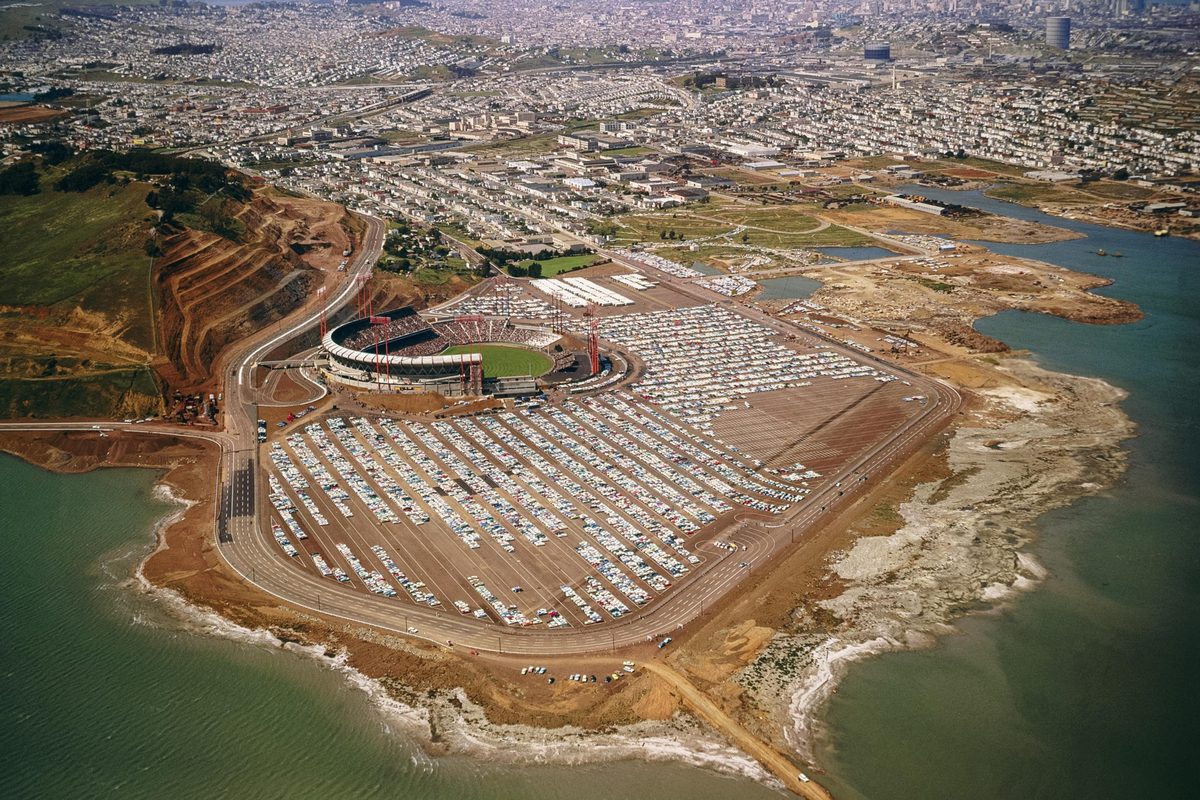
Candlestick megaproject breaks ground after years of delay | The San Francisco Standard
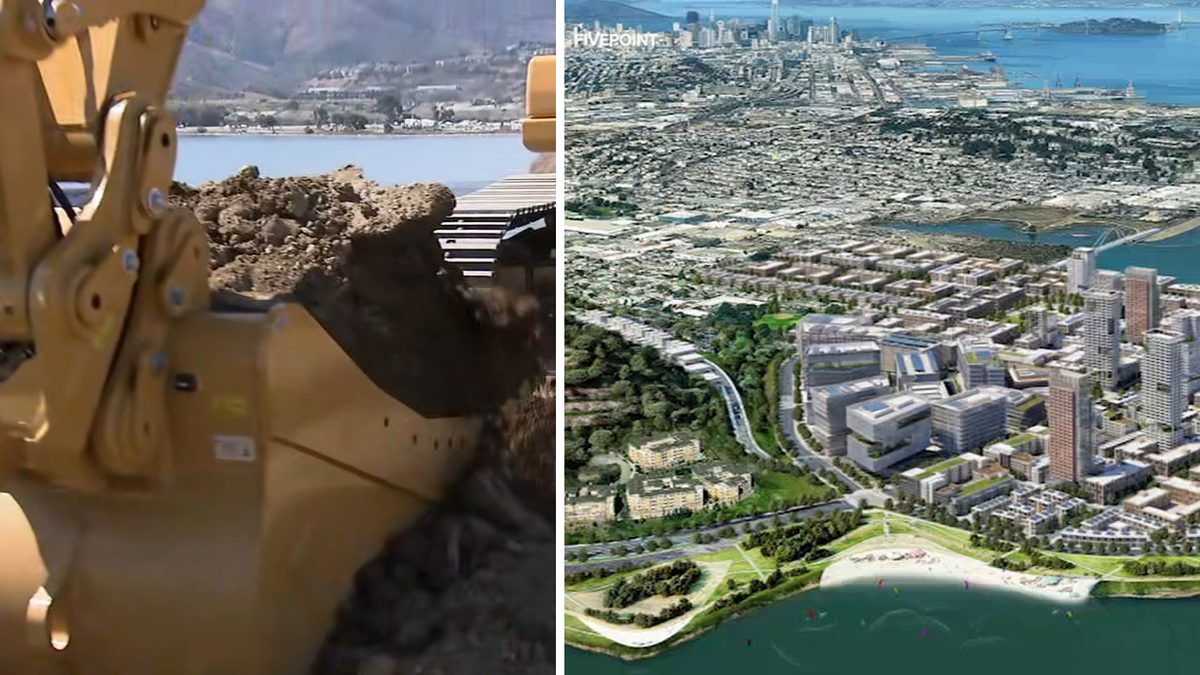
Construction begins to transform San Francisco's Candlestick Park; to be redeveloped to waterfront homes - ABC7 San Francisco
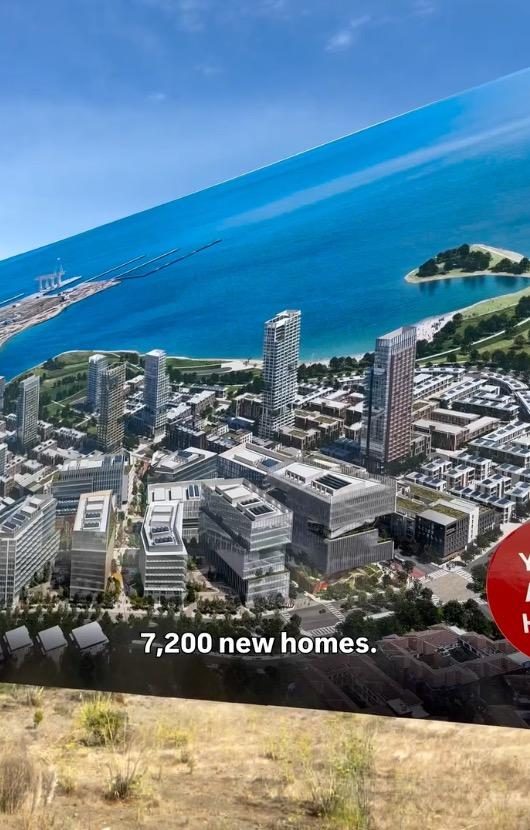
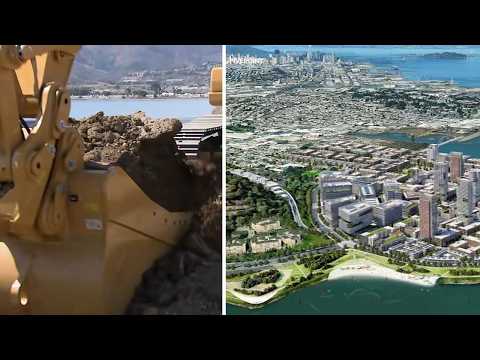
San Francisco officially breaks ground on 7,200 home mega-project
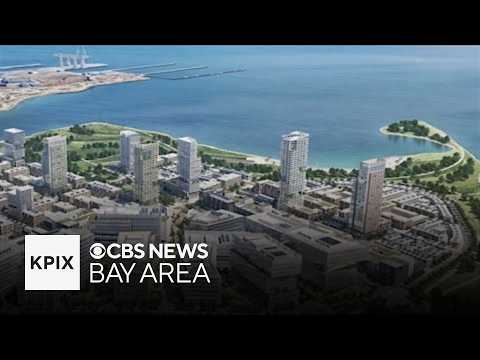
3.6K views
3:03
San Francisco holds groundbreaking for Candlestick ...
KPIX | CBS NEWS BAY AREA
1.5K views
2:29
Construction begins to transform SF's Candlestick Park
ABC7 News Bay Area
Images from Openverse under Creative Commons licenses. Videos from YouTube.
Voices
Curated perspectives — historical figures and your fellow readers.
Play
Exploring all sides of a story is often best achieved with Play.
Most of these play right now — no account needed. Sign up to save scores, keep a streak, and unlock Debate and Predict.
Log in
Sign Up
Higher or Lower
A number from this story, against one from elsewhere in the news — guess which is bigger, then keep the chain going. 5 rounds, 3 strikes; a miss costs a strike and resets your streak.
Example
Anchor
EU tariff revenue
$52B
Big for this kind of number
Mystery
Pentagon AI contract
?
Round 1
Streak: 0
Mystery
?
Keyboard: ↓/L lower · ↑/H higher
0 pts
Best streak: 0 · Rounds: 0
0 points — sign up to put that on the leaderboard.
Now try on this story
Connections
Sixteen names from the news. Find the four hidden groups of four. Four mistakes max.
Loading today's puzzle…
0/4 groups
Mistakes
Sign up to keep a daily streak — a new puzzle lands every day.
Now try on this story
Exit debate?
Your progress in this debate will be lost.
How it works
- 1 Two AI personas square off on this story.
- 2 You predict who'll win each round — correct picks earn XP.
- 3 One crossfire question is yours to fire. Pick it carefully.
Couldn't generate a topic
Select Your Champions
Choose one persona for each side of the debate
DEBATE TOPIC
Choose personas with different perspectives for a more dynamic debate.
SIDE A (PRO)
Select debater for this side:
No debate personas available right now.
SIDE B (CON)
Select debater for this side:
No debate personas available right now.
VS
Get ready to make your prediction...
Round of
Claim
Evidence
Stakes
Crossfire Answer
Closing Statement
Claim
Evidence
Stakes
Crossfire Answer
Closing Statement
Your Crossfire Question
Generating arguments...
Who's Got This Round?
Make your prediction before the referee scores
The referee scores both sides on
Correct predictions earn +20 XP
· Press 1 or 2 to pick
Evidence
40%
Logic
30%
Detail
20%
Style
10%
Round Results
Your Pick
Not this time
(%)
Overall Score
/10
Your Pick
Not this time
(%)
Overall Score
/10
Set the Crossfire
Pick the question both personas must answer in the final round
Crafting crossfire questions...
Choosing a question earns +10 XP crossfire bonus
🏆
Total XP Earned
Cred Change
Predictions
Debate Oracle! You called every round!
Sharp Instincts! You know your debaters!
The Coin Flip Strategist! Perfectly balanced!
The Contrarian! Bold predictions!
Inverse Genius! Try betting the opposite next time!
XP Breakdown
Base completion
+20 XP
Rounds played ( rounds x 5 XP)
+ XP
Correct predictions ( correct x 20 XP)
+ XP
Crossfire bonus
+10 XP
Accuracy
%
Prediction History
Round
You picked:
✓
✗
Now try on this story
Keep debating to level up your credibility and unlock achievements
People Involved
Organizations Involved
FivePoint Holdings
Publicly traded master developer (NYSE: FPH)
Master developer running the Candlestick Point project
Infrastructure-first developer that builds roads and utilities, then sells entitled parcels to homebuilders.
Office of Community Investment and Infrastructure
San Francisco government agency
Administers the tax-increment financing that reimburses FivePoint
Manages financing and cleanup duties at Candlestick Point and Hunters Point Shipyard.
San Francisco Board of Supervisors
City legislature
Approved entitlements, financing, and the final subdivision map
Voted 8-3 on the 2010 entitlements and approved the 2024 financing changes and the 2026 final map.
Timeline
June 2008 September 2026
11 events
Latest: Today
Showing 8 of 11
Tap a bar to jump to that date
-
Groundbreaking at Candlestick Point
Today MilestoneFivePoint starts roads and utilities for about 675 homes, the first phase of 7,218 planned.
-
Final subdivision map approved
ApprovalFinal subdivision map approved, creating recordable parcels for construction.
-
Street names approved
ApprovalBoard names 24 streets at Candlestick Point and renames Bill Walsh Way to Giants Drive.
-
Tetra Tech settles soil-test fraud claims
LegalTetra Tech settles claims over faked Navy soil tests for $97M. Hunters Point, not Candlestick.
-
Financing restructured, shipyard decoupled
FinancingBoard raises bond ceiling to $3.3B and separates Candlestick from Hunters Point.
-
Outlet mall plans scrapped
Plan ChangeThe planned outlet mall is scrapped as online retail erodes demand.
-
Candlestick Park demolished
MilestoneDemolition of Candlestick Park is completed, leaving a vacant 270-acre site.
-
49ers' final game at Candlestick
Milestone49ers play their final game at Candlestick Park.
-
Lennar entitlements approved
ApprovalBoard of Supervisors approves Lennar entitlements and environmental report, 8-3.
-
Santa Clara approves 49ers stadium
Ballot MeasureSanta Clara voters approve a new 49ers stadium, sealing the team's exit.
-
Voters approve Prop G
Ballot MeasureVoters pass Prop G, 62.5%, authorizing redevelopment of Candlestick and Hunters Point.
Historical Context
3 moments from history that rhyme with this story — and how they unfolded.
1991–2020s
Mission Bay (1991–2020s)
San Francisco rezoned 300 acres of rail yards south of downtown in 1991 for the city's largest infill project. Decades of infrastructure work followed, with UCSF's campus anchoring the district.
Then
Slowed by the dot-com bust and the 2008 crash, Mission Bay is now fully built out with condos, biotech labs, and AI offices.
Now
Showed that large San Francisco infill projects take decades but can create a dense new neighborhood.
Why this matters now
Candlestick follows the same playbook at a comparable scale, but starts with more housing and less commercial anchor.
1999–2020s
Stapleton, Denver (1999–2020s)
Denver redeveloped its closed airport into a 12,000-home, master-planned neighborhood over two decades, including parks and transit.
Then
Stapleton became a national model for transit-oriented infill, with density and amenities delivered in phases.
Now
Demonstrated that airport- and stadium-scale infill can shift a metro's housing supply if the timeline is accepted.
Why this matters now
Shows what a 7,000-plus-home infill district looks like when it succeeds — and the long timeline residents must accept.
2002–present
El Toro Marine Corps Air Station (2002–present)
FivePoint (then Lennar's urban division) redeveloped the closed Marine Corps Air Station El Toro in Irvine into the Great Park and 2,100 acres of homes.
Then
Became the template for FivePoint's infrastructure-first model: build roads and utilities, sell entitled parcels to builders.
Now
Proved the parcel-sale and tax-increment model works across a full buildout cycle.
Why this matters now
It's the same revenue model FivePoint is applying at Candlestick, at roughly one-eighth the acreage.
Sources
(3)Related Stories
Zocalo Coffee opens in Mission Bay pavilion 22 years after it was built
Built World
Updated 3 days ago
Golden Gate University sells campus as 46-story tower is proposed in its place
Built World
Updated 9 hours ago
California strikes deal to buy Golden Gate Fields horse track for public park
Built World
Updated 6 days ago
Historic San Francisco office building sells at a big discount
Money Moves
Updated 4 days ago
San Francisco committee advances OpenGov permitting contract without recommendation
Money Moves
Updated 3 days ago
Steph Curry sells Dogpatch site after union dispute derailed HQ plans
Money Moves
Updated Yesterday