
Pull to refresh
Logo
Crankstart Foundation gives $9.25 million to improve Mission BART plazas

Crankstart Foundation gives $9.25 million to improve Mission BART plazas

Money Moves San Francisco, CA local

The gift will fund lighting, street patrols, and public safety technology at the 16th and 24th Street stations.

Overview

Updated 1 hour ago

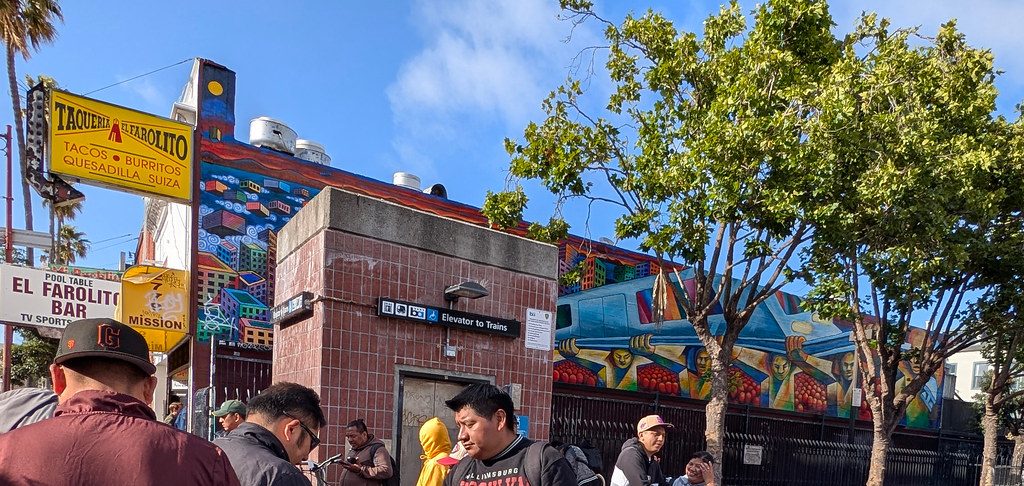
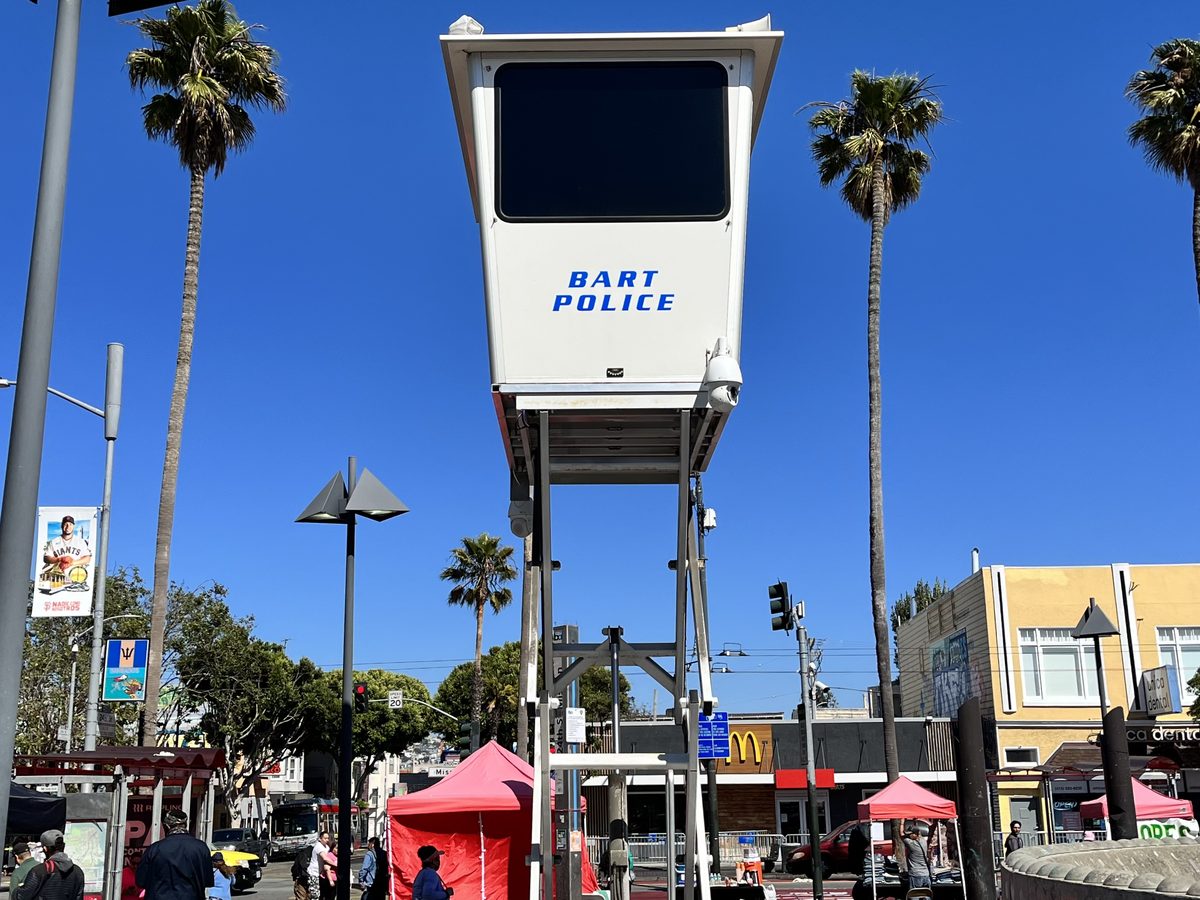
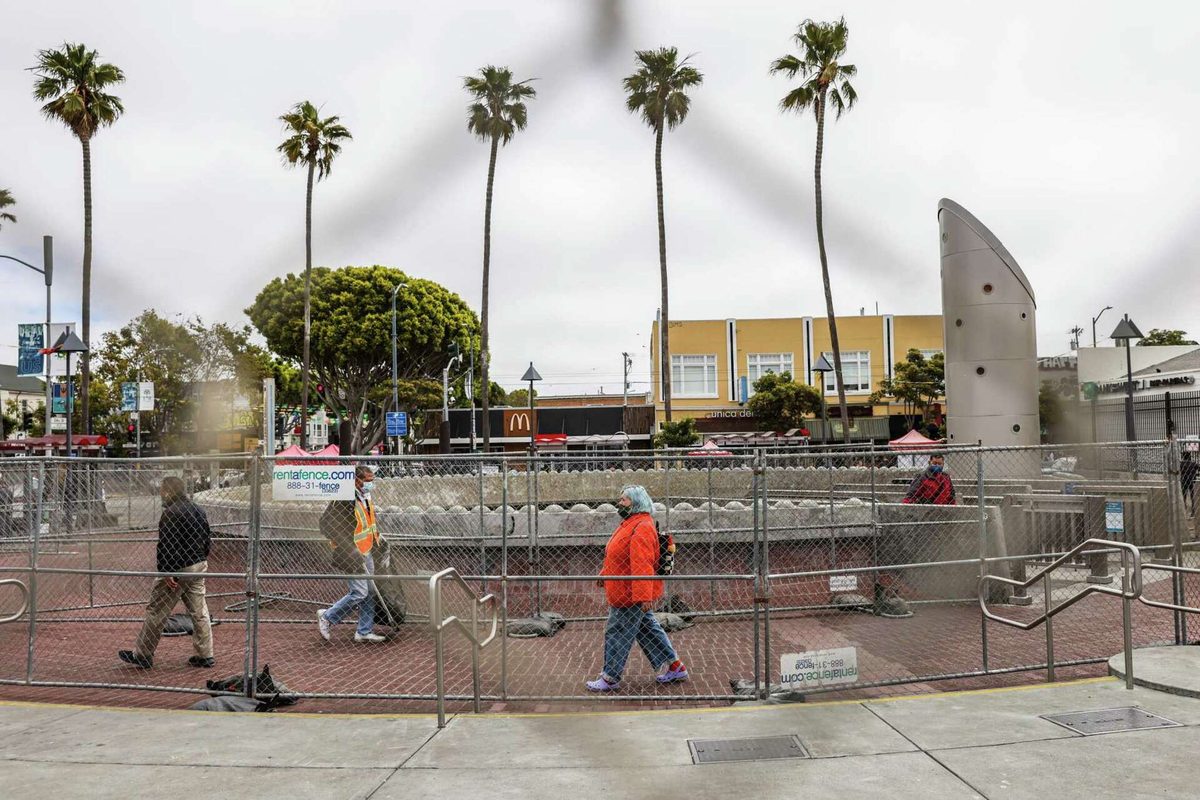
The Crankstart Foundation is giving $9.25 million to San Francisco to improve conditions at the Mission BART plazas. The money will pay for better lighting, street patrols, and public safety technology at the 16th and 24th Street stations.

The plazas have long been a source of complaints about drug dealing, homelessness, and cleanliness. The gift comes as BART faces a fiscal crisis that has stalled its own improvement plans, and it bypasses the city's normal budget process.

Why it matters

Private donors are now funding public safety and infrastructure in San Francisco's transit hubs, a shift that could reshape how the city addresses urban disorder.

Last Monday's email for San Francisco, CA

Sent Nov 2. It carried:

Get next Monday's: one short email a week. Free. Unsubscribe in one click.

Questions about this story

Free account needed to ask — your question is kept and asked for you right after sign-up. Answers are public.

No questions yet — be the first to ask.

Key Indicators

$9.25M
Philanthropic gift
From Crankstart Foundation for Mission BART plazas
2
BART plazas
16th and 24th Street stations

Voices

Curated perspectives — historical figures and your fellow readers.

Sign up to generate historical perspectives on this story.

People Involved

Organizations Involved

Timeline

July 2025 November 2026

2 events Latest: Today
  1. Crankstart Foundation gives $9.25 million for Mission BART plazas

    Today Philanthropy

    The Crankstart Foundation announces a $9.25 million gift to fund lighting, street patrols, and public safety technology at the 16th and 24th Street BART plazas.

  2. BART begins 16th St Plaza redesign planning

    Planning

    BART starts a year-long effort to develop design concepts for the 16th Street plaza, citing a fiscal crisis and the need for outside funding.

Scenarios

1

Mission BART plazas get new lighting and patrols by mid-2027

Likely Resolves by Q2 2027

Discussed by: Mission Local, BART planning documents

The gift is allocated and contracts are approved. BART and the city install new lighting and hire patrols. The improvements are completed on schedule.

2

Community groups challenge the gift over privatization concerns

Possible Resolves by Q1 2027

Discussed by: San Francisco Board of Supervisors, community advocates

Some residents and supervisors argue that private funding for public safety creates accountability problems. A formal appeal or lawsuit is filed, delaying the project.

3

Crankstart gift expands to other BART stations

Unlikely Resolves by End of 2027

Discussed by: Crankstart Foundation, BART officials

The foundation is satisfied with the results and announces a similar gift for another BART station, such as Civic Center or Powell Street.

Historical Context

2 moments from history that rhyme with this story — and how they unfolded.

1980s

Bryant Park Restoration (1980s)

In the 1980s, New York City's Bryant Park was revitalized through a private-public partnership led by the Bryant Park Restoration Corporation. The corporation funded maintenance, security, and programming.

Then

Crime dropped and the park became a popular destination.

Now

The model inspired business improvement districts across the country.

Why this matters now

Shows how private money can transform public spaces, but also raises questions about who gets to use them.

1980s

Grand Central Partnership (1980s)

New York City's Grand Central Partnership, a business improvement district, used private funds to provide cleaning and security in the area around Grand Central Terminal.

Then

The area became cleaner and safer.

Now

BIDs became a common tool for urban revitalization.

Why this matters now

Illustrates the potential and controversy of private funding for public safety.

Sources

(2)