Anchor

Golden Gate University sells campus as 46-story tower is proposed in its place
Built World San Francisco, CA localHistoric SoMa site to become office or mixed-use high-rise, adding hundreds of housing units in one scenario
Yesterday: Golden Gate University sells campusNew here? Follow stories to track developments over time. Create a free account to get updates when stories you care about change.
Overview
Updated YesterdayGolden Gate University, a nonprofit college that has anchored downtown San Francisco since the 1960s, has sold its 0.76-acre campus at 536 Mission Street. Developers Lincoln Property Company and McCourt Partners plan to demolish the existing buildings and raise a 46-story tower there.
The project, permitted in two variants, could deliver 370 apartments or 1.25 million square feet of office space. It would become the fifth-tallest building in the Bay Area if approved, joining the Salesforce Tower half a block away.
Why it matters
In a city struggling with office vacancies, this sale tests whether converting institutional sites into mixed-use towers can bring housing and density back to downtown San Francisco.
Questions about this story
Free account needed to ask — your question is kept and asked for you right after sign-up. Answers are public.
No questions yet — be the first to ask.
Key Indicators
752 ft
Maximum proposed tower height
The office variant would reach 752 feet, slightly shorter than 555 California Street.
46 stories
Number of floors
Both architectural variants include 46 floors.
370 units
Housing units in the mixed-use variant
The residential option would add 370 apartments, including studios, one- and two-bedrooms.
$349.6M
Estimated construction cost (office variant)
Construction costs for the office tower are estimated at $349.6 million; mixed-use is $342.9 million.
Related Media
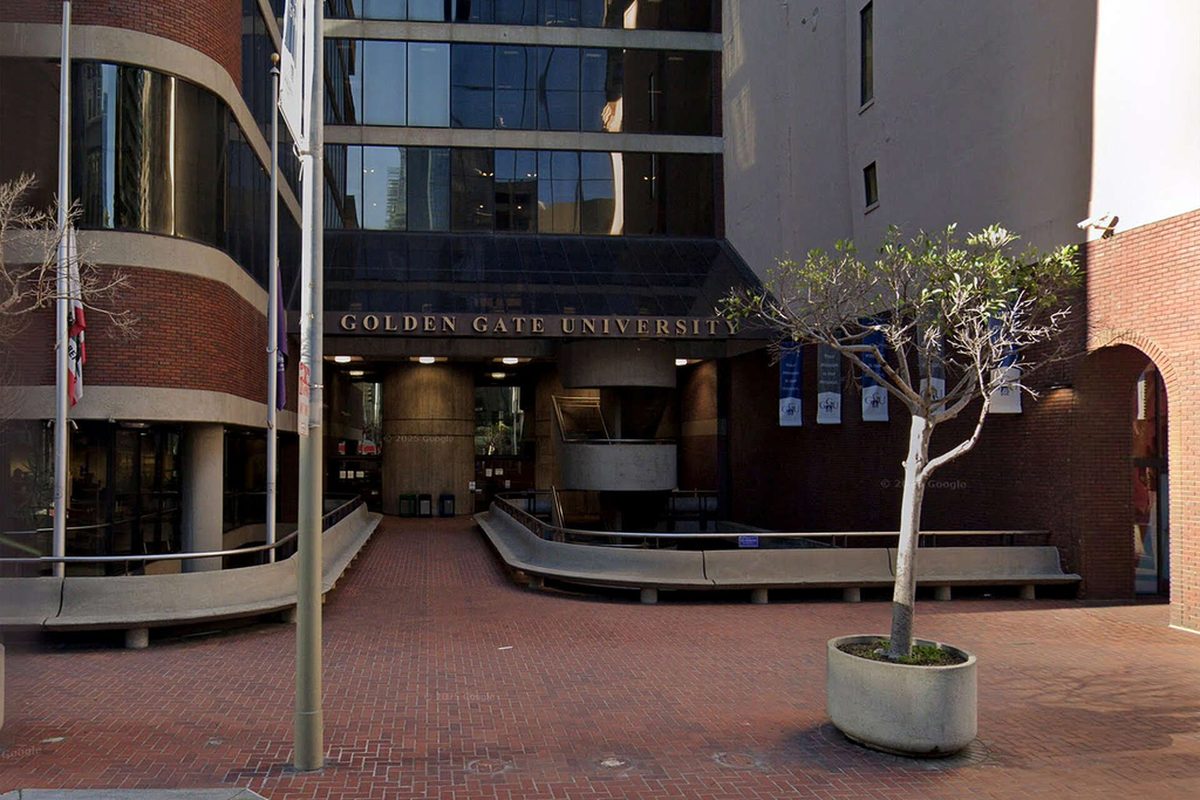
SF university sells campus as 46-story tower is proposed in its place
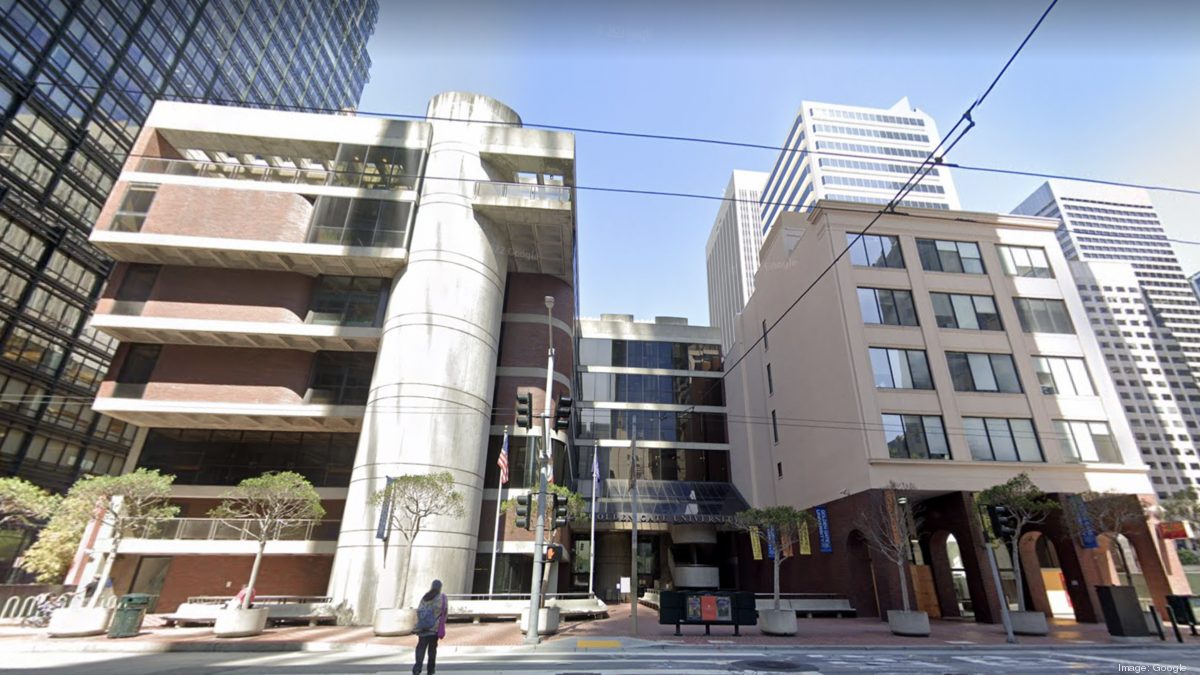
Golden Gate University has listed its downtown San Francisco campus for sale - San Francisco Business Times
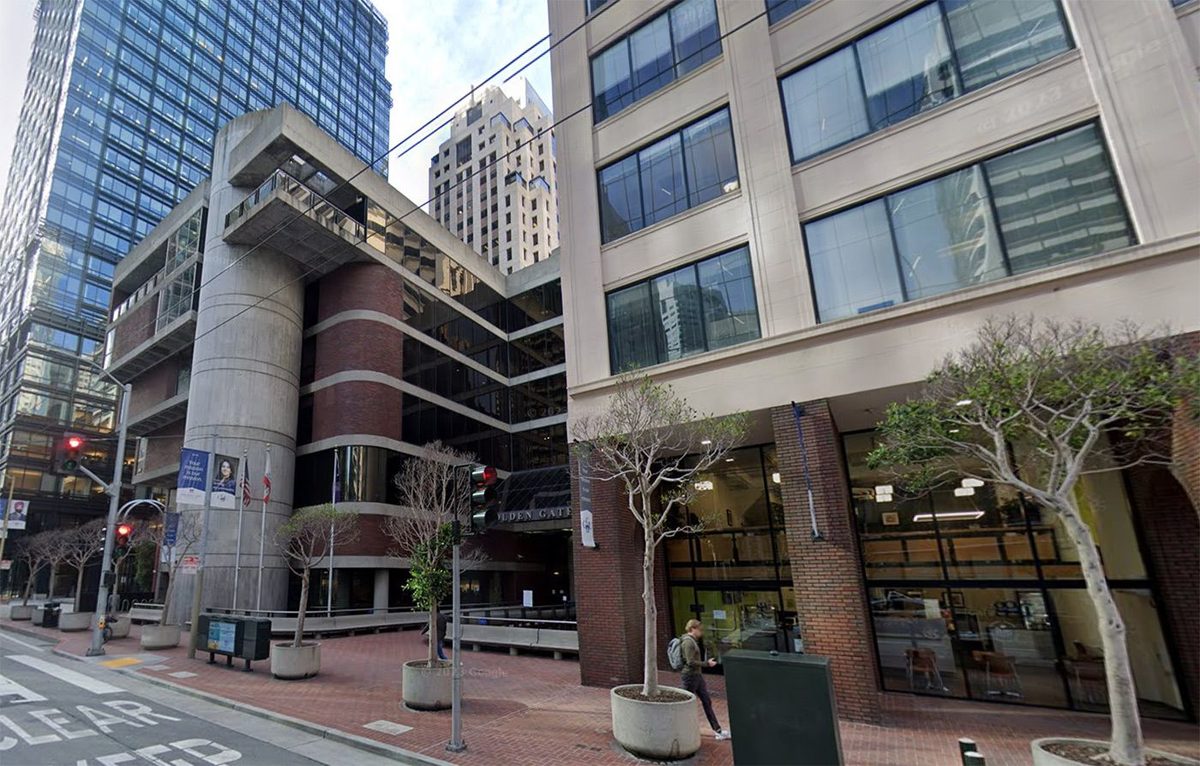
Developer Proposes 700-Foot Office Tower on Site of Golden Gate University In SF
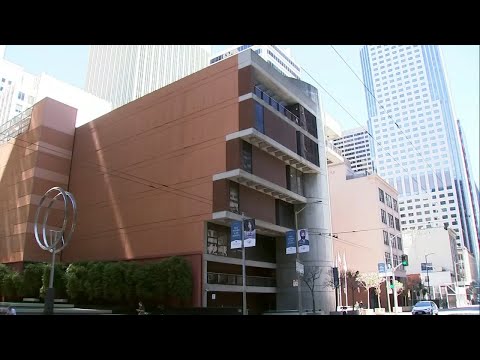
3.7K views
0:28
New skyscraper could replace Golden Gate Univ. site in ...
ABC7 News Bay Area
14.0K views
2:21
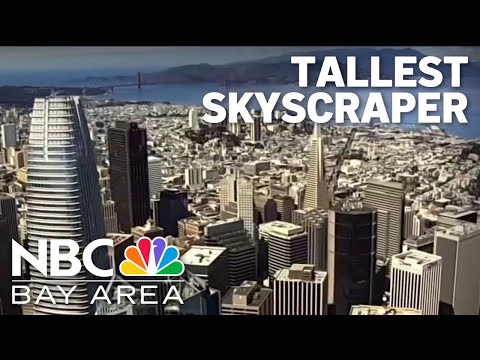
Proposal would build San Francisco's tallest skyscraper
NBC Bay Area
2.1K views
3:49
Plan to expand number of San Francisco landmark buildings ...
KPIX | CBS NEWS BAY AREA
Images from Openverse under Creative Commons licenses. Videos from YouTube.
Voices
Curated perspectives — historical figures and your fellow readers.
Play
Exploring all sides of a story is often best achieved with Play.
Most of these play right now — no account needed. Sign up to save scores, keep a streak, and unlock Debate and Predict.
Log in
Sign Up
Higher or Lower
A number from this story, against one from elsewhere in the news — guess which is bigger, then keep the chain going. 5 rounds, 3 strikes; a miss costs a strike and resets your streak.
Example
Anchor
EU tariff revenue
$52B
Big for this kind of number
Mystery
Pentagon AI contract
?
Round 1
Streak: 0
Mystery
?
Keyboard: ↓/L lower · ↑/H higher
0 pts
Best streak: 0 · Rounds: 0
0 points — sign up to put that on the leaderboard.
Now try on this story
Connections
Sixteen names from the news. Find the four hidden groups of four. Four mistakes max.
Loading today's puzzle…
0/4 groups
Mistakes
Sign up to keep a daily streak — a new puzzle lands every day.
Now try on this story
Exit debate?
Your progress in this debate will be lost.
How it works
- 1 Two AI personas square off on this story.
- 2 You predict who'll win each round — correct picks earn XP.
- 3 One crossfire question is yours to fire. Pick it carefully.
Couldn't generate a topic
Select Your Champions
Choose one persona for each side of the debate
DEBATE TOPIC
Choose personas with different perspectives for a more dynamic debate.
SIDE A (PRO)
Select debater for this side:
No debate personas available right now.
SIDE B (CON)
Select debater for this side:
No debate personas available right now.
VS
Get ready to make your prediction...
Round of
Claim
Evidence
Stakes
Crossfire Answer
Closing Statement
Claim
Evidence
Stakes
Crossfire Answer
Closing Statement
Your Crossfire Question
Generating arguments...
Who's Got This Round?
Make your prediction before the referee scores
The referee scores both sides on
Correct predictions earn +20 XP
· Press 1 or 2 to pick
Evidence
40%
Logic
30%
Detail
20%
Style
10%
Round Results
Your Pick
Not this time
(%)
Overall Score
/10
Your Pick
Not this time
(%)
Overall Score
/10
Set the Crossfire
Pick the question both personas must answer in the final round
Crafting crossfire questions...
Choosing a question earns +10 XP crossfire bonus
🏆
Total XP Earned
Cred Change
Predictions
Debate Oracle! You called every round!
Sharp Instincts! You know your debaters!
The Coin Flip Strategist! Perfectly balanced!
The Contrarian! Bold predictions!
Inverse Genius! Try betting the opposite next time!
XP Breakdown
Base completion
+20 XP
Rounds played ( rounds x 5 XP)
+ XP
Correct predictions ( correct x 20 XP)
+ XP
Crossfire bonus
+10 XP
Accuracy
%
Prediction History
Round
You picked:
✓
✗
Now try on this story
Keep debating to level up your credibility and unlock achievements
Organizations Involved
Golden Gate University
Private nonprofit university
Selling its downtown San Francisco campus and consolidating operations
A private university focused on adult education, business, and law, founded in 1901.
Lincoln Property Company
Real estate development firm
Co-developer of the proposed 536 Mission Street tower
A national real estate developer with a history of large urban projects, headquartered in Dallas.
McCourt Partners
Investment and real estate firm
Co-developer of the proposed 536 Mission Street tower
A San Francisco-based investment and development firm focused on large-scale urban projects.
Skidmore, Owings & Merrill (SOM)
Architecture firm
Design architect for the proposed two-tower variants
International architecture firm known for designing the Willis Tower and One World Trade Center.
Timeline
1920s September 2026
5 events
Latest: Yesterday
Tap a bar to jump to that date
-
Golden Gate University sells campus
Latest Real estate saleThe university announces it is vacating the property, with the sale to developers finalized.
-
Permits filed for 46-story tower
Permit filingLincoln Property and McCourt Partners submit plans for two variants—office and mixed-use—at 536 Mission Street.
-
Brutalist addition completed
ConstructionA seven-story Brutalist wing, designed by William D. Podesta with consulting engineer Tung-Yen Lin, is added.
-
Golden Gate College purchases site
AcquisitionGolden Gate College (now University) buys the 1923 building, intending to construct a $9 million addition.
-
Commercial loft building constructed
ConstructionMary N. Allyne builds a speculative commercial building at 536 Mission Street.
Historical Context
2 moments from history that rhyme with this story — and how they unfolded.
October 1963
Penn Station Demolition (1963)
Pennsylvania Station, a Beaux-Arts masterpiece in Manhattan, was demolished to make way for the new Madison Square Garden. The demolition stirred public outrage and prompted the creation of the New York City Landmarks Preservation Commission.
Then
The loss galvanized the historic preservation movement, leading to the Landmarks Law of 1965.
Now
It became a symbol of the cost of prioritizing commercial development over architectural heritage.
Why this matters now
Just as Penn Station's demolition traded a civic landmark for a sports arena, the 536 Mission Street campus—a 1920s building and a Brutalist addition—will be replaced by a commercial tower. Neither structure holds historic designation, making demolition legally straightforward.
October 1972
Chicago Stock Exchange Demolition (1972)
The Chicago Stock Exchange building, designed by Louis Sullivan, was torn down after a losing battle with preservationists. A parking lot took its place for decades, and the loss fueled the city's preservation movement.
Then
The site remained underutilized for years, demonstrating the risk of demolition before new development is secured.
Now
Preservationists successfully pushed for stronger protections, and the loss is now taught in architecture schools as a cautionary tale.
Why this matters now
The Golden Gate University campus faces a similar tradeoff, but with a difference: the 1970s addition is not architecturally distinguished enough to warrant landmark status. The case highlights how institutional buildings with mixed architectural value can be sacrificed for high-density redevelopment in downtown areas.