
Pull to refresh
Logo
Momo Noodle expands to Union Square with second location

Momo Noodle expands to Union Square with second location

Money Moves San Francisco, CA local

The Sichuan-style fast-casual restaurant will open at 226 Kearny St. in December, joining a wave of new retailers downtown.

Overview

Updated 1 hour ago

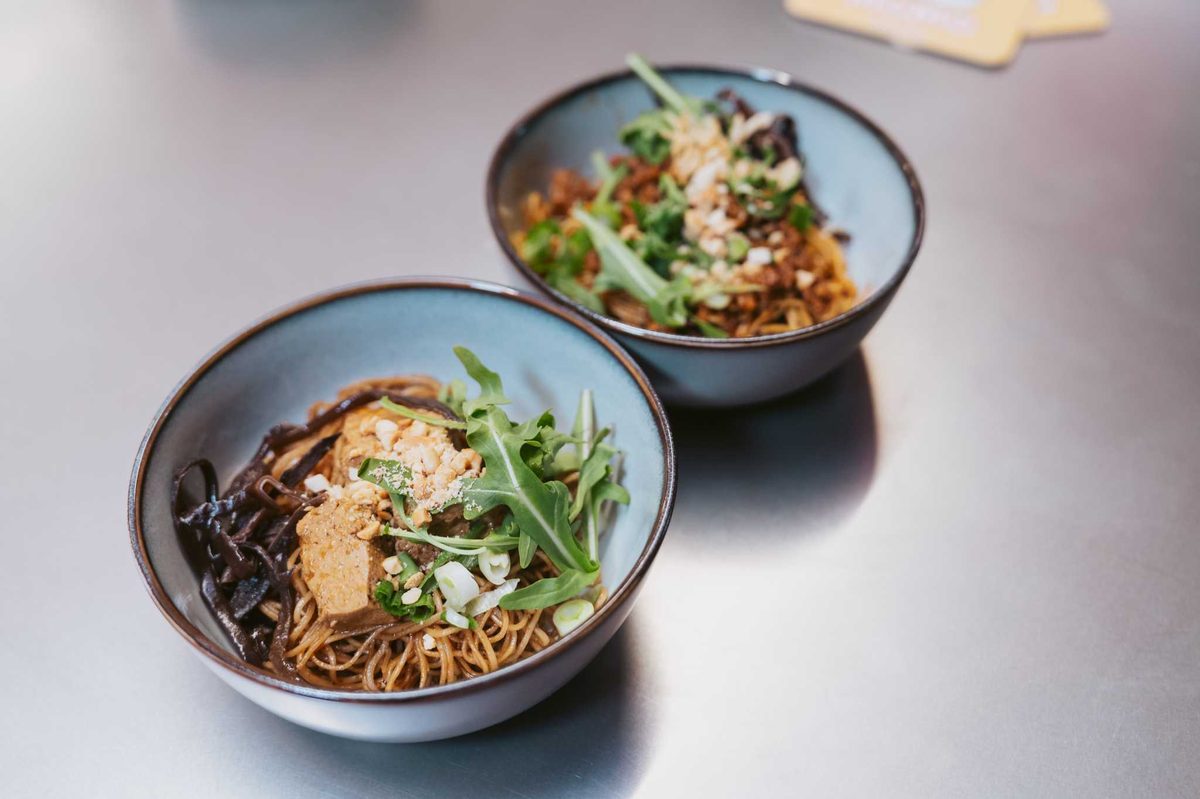
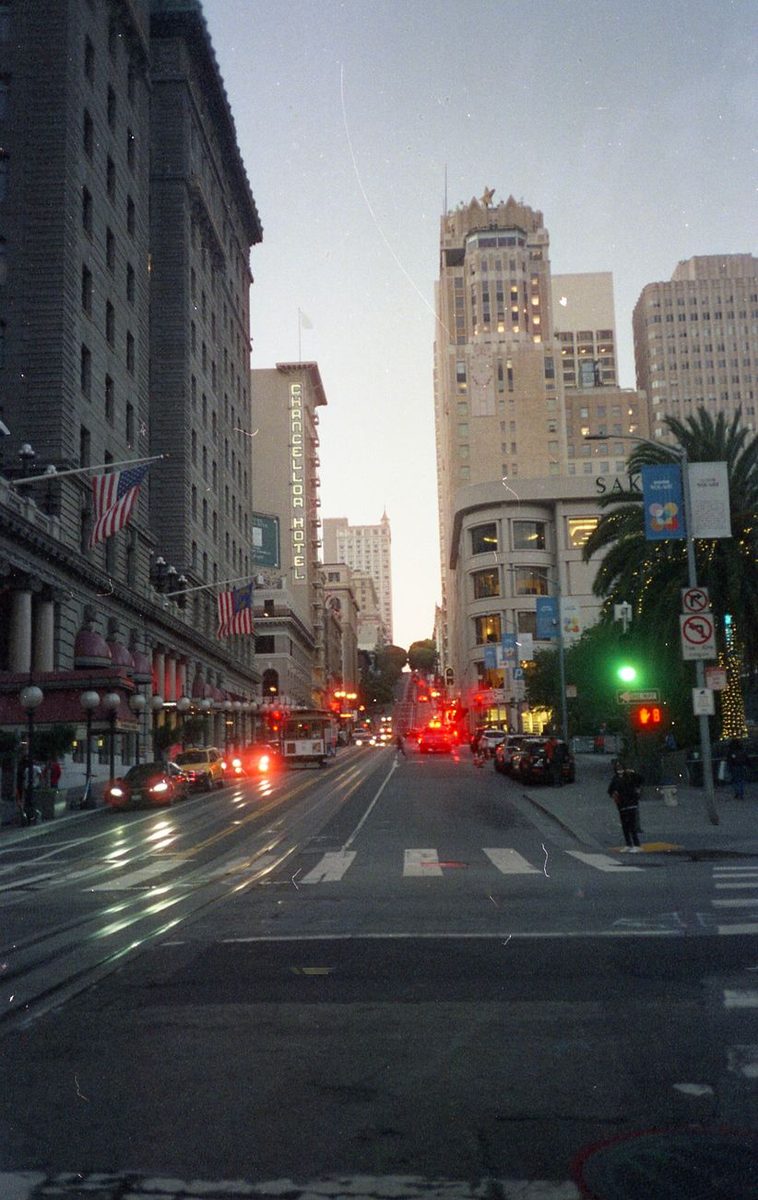
Momo Noodle, a Sichuan-style noodle shop that started as a food truck in 2018, is opening its second brick-and-mortar location in San Francisco's Union Square. The new outpost at 226 Kearny St. is set to open in December, taking over a space vacated by Sushiritto in April.

The expansion is a small but concrete sign of retail recovery in downtown San Francisco. Union Square has seen a wave of new openings from both large retailers and independent businesses, but small operators still face high costs and uncertain foot traffic.

Why it matters

Small business expansions like this show whether downtown San Francisco's retail recovery is reaching beyond big chains.

Last Monday's email for San Francisco, CA

Sent Nov 16. It carried:

Get next Monday's: one short email a week. Free. Unsubscribe in one click.

Questions about this story

Free account needed to ask — your question is kept and asked for you right after sign-up. Answers are public.

No questions yet — be the first to ask.

Key Indicators

2
Brick-and-mortar locations after expansion
Momo Noodle will have two physical restaurants.
2018
Year founded
Started as a food truck in San Francisco.
6
Days open per week at new location
The Kearny St. location will be open Monday through Saturday.

Voices

Curated perspectives — historical figures and your fellow readers.

Sign up to generate historical perspectives on this story.

People Involved

Organizations Involved

Timeline

2018 November 2026

5 events Latest: Today
Tap a bar to jump to that date
  1. Momo Noodle announces second location

    Today Business

    Cofounders June Guo and Anna Zhang plan to open at 226 Kearny St. in December.

  2. Sushiritto closes Kearny St. location

    Business

    The previous tenant at 226 Kearny St. shuts down, freeing the space.

  3. First brick-and-mortar opens

    Business

    Momo Noodle opens at 455 Market St. after leaving Saluhall.

  4. Momo Noodle joins Saluhall

    Business

    Becomes an inaugural tenant at Ikea's food hall in San Francisco.

  5. Momo Noodle launches as food truck

    Business

    June Guo and Anna Zhang start serving Sichuan noodles from a food truck in San Francisco.

Scenarios

1

Momo Noodle opens third location by end of 2027

Possible Resolves by End of 2027

Discussed by: No public predictions; based on growth trajectory

If the second location performs well, the cofounders could seek a third site. The article notes they were surprised by demand at the first location, suggesting appetite for further expansion.

2

Momo Noodle's Kearny Street location closes within a year

Unlikely Resolves by End of 2027

Discussed by: No public predictions; based on restaurant industry risk

Small restaurants often struggle in their first year. If foot traffic or sales disappoint, the second location could close. The article notes the area is adding retailers, but challenges remain.

Historical Context

2 moments from history that rhyme with this story — and how they unfolded.

September 2001 - 2005

Lower Manhattan after 9/11 (2001-2005)

The September 11 attacks destroyed millions of square feet of retail space in Lower Manhattan and displaced thousands of businesses. Government grants and tax incentives helped rebuild, but recovery was slow.

Then

Many small businesses closed permanently; retail vacancy remained high for years.

Now

The area diversified with new residents and businesses, eventually becoming a thriving mixed-use district.

Why this matters now

Shows that downtown retail recovery after a shock can take years and often requires public-private support.

2010-2015

Detroit downtown revival (2010-2015)

Quicken Loans moved its headquarters and thousands of employees to downtown Detroit in 2010. The influx of workers spurred new restaurants, bars, and retail shops.

Then

Foot traffic increased and vacant storefronts began to fill.

Now

Downtown Detroit transformed into a destination for dining and entertainment, though challenges remain.

Why this matters now

Illustrates how anchor employers and small businesses together can revive a downtown retail corridor.

Sources

(2)