
Pull to refresh
Logo
El Niño pushes San Francisco ocean temperatures to late-season record

El Niño pushes San Francisco ocean temperatures to late-season record

Force in Play San Francisco, CA local

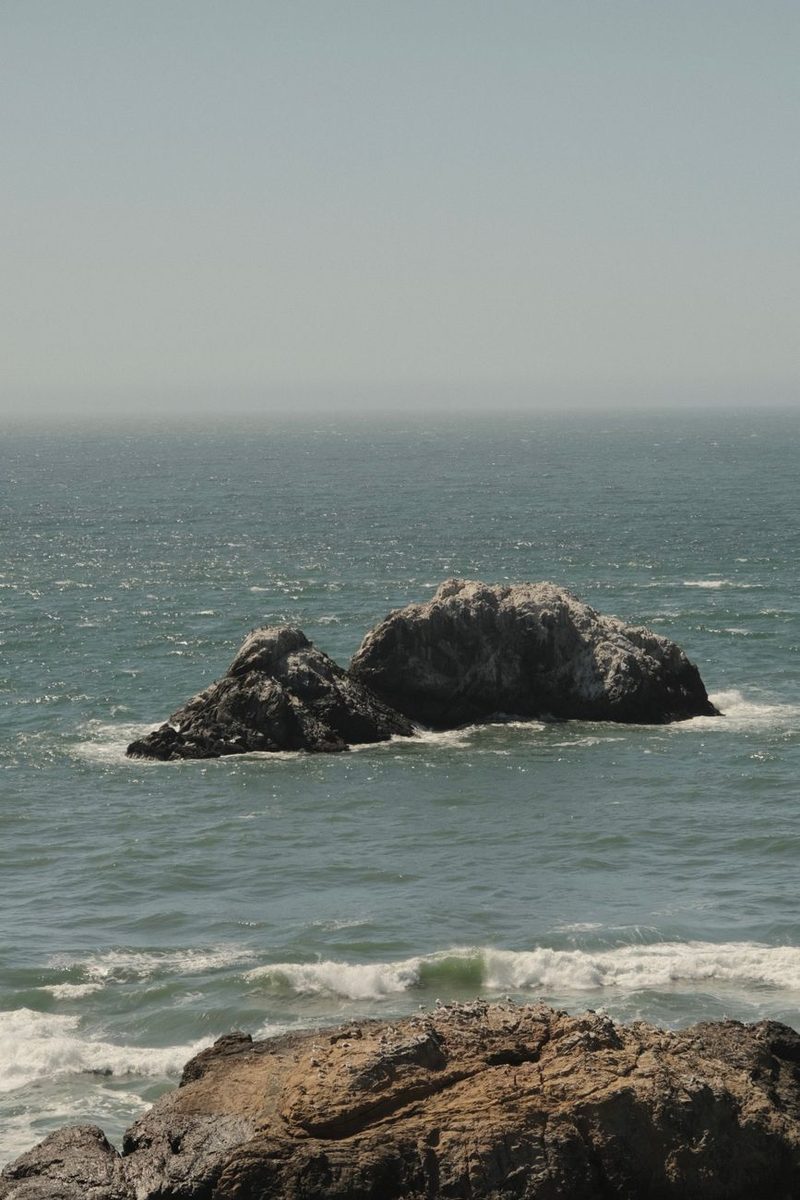
Water near the Farallon Islands reached about 65°F, roughly 10°F above normal for November.

Overview

Updated 1 hour ago

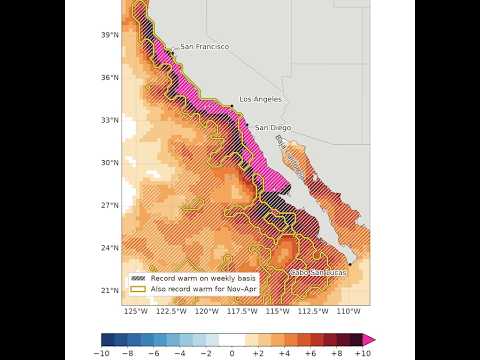
Water off San Francisco is warmer than any recorded at this point in the year. Near the Farallon Islands, sea surface temperatures reached about 65°F in early November, roughly 10°F above normal, according to climate scientist Daniel Swain.

The warmth comes from El Niño pushing equatorial water up the California coast. It matters because cold upwelling normally feeds the region's marine food web. Warmer water can push fish and seabirds elsewhere and raise sea levels along the coast.

Why it matters

Warmer coastal water can raise sea levels and disrupt the marine food web that supports California fisheries and seabirds.

Last Monday's email for San Francisco, CA

Sent Nov 9. It carried:

Get next Monday's: one short email a week. Free. Unsubscribe in one click.

Questions about this story

Free account needed to ask — your question is kept and asked for you right after sign-up. Answers are public.

No questions yet — be the first to ask.

Key Indicators

65–66°F
Peak sea surface temperature near Farallon Islands
Early November reading, about 10°F above normal.
10°F
Above normal
Departure from typical November water temperature of about 56°F.
2–3°F
Beyond previous late-year record
Swain says temperatures are 2–3°F past any prior reading after Nov. 1.
83%
Chance of strongest El Niño on record
NOAA estimate for January–March 2027, from a Scripps summary.

Voices

Curated perspectives — historical figures and your fellow readers.

Sign up to generate historical perspectives on this story.

People Involved

Organizations Involved

Timeline

September 2026 November 2026

5 events Latest: Yesterday
Tap a bar to jump to that date
  1. KQED reports record late-season ocean heat

    Latest Report

    KQED reports record late-season ocean heat off San Francisco coast.

  2. Swain calls Farallon heat 'off the charts'

    Statement

    Swain says Farallon water is 'off the charts' and still warming.

  3. San Pedro tide gauge breaks sea-level record

    Measurement

    San Pedro gauge hits 8.02 feet, then 8.19 feet Oct. 27, breaking 2005 record.

  4. NOAA forecasts strong El Niño

    Forecast

    NOAA estimates 83% chance of strong El Niño from January to March 2027.

  5. Scripps Pier sets monthly sea-level record

    Measurement

    Scripps Pier tide gauge records highest monthly mean sea level ever.

Scenarios

1

King tides push seawater into California coastal communities

Likely Resolves by Nov 30, 2026

Discussed by: National Weather Service and NOAA tide forecasts

Warmer water raises baseline sea level. If Thanksgiving king tides coincide with swell or rain, low-lying streets and beaches from San Francisco to Orange County could flood. National Weather Service coastal flood advisories would be the first signal.

2

Marine heat wave disrupts California fisheries

Possible Resolves by Q1 2027

Discussed by: Scripps Institution of Oceanography and California Department of Fish and Wildlife

Warm water reduces cold upwelling, which can shift fish and squid away from usual grounds. If the pattern persists, regulators could restrict a fishery or document unusual catch changes.

3

El Niño stays strong into spring, keeping ocean temperatures elevated

Likely Resolves by Apr 30, 2027

Discussed by: NOAA Climate Prediction Center and Scripps Institution of Oceanography

NOAA's forecast puts high odds on a strong event through early 2027. If equatorial warmth keeps feeding Kelvin waves toward California, coastal temperatures may stay above normal and keep sea levels elevated into spring.

Historical Context

3 moments from history that rhyme with this story — and how they unfolded.

1997–1998

1997–98 El Niño (1997–1998)

One of the strongest El Niño events on record brought heavy winter storms to California, caused coastal erosion and mudslides, and disrupted fisheries.

Then

Flooding and wave damage hit coastal communities, and marine species shifted north.

Now

It became a benchmark for forecasting El Niño risks and for tying coastal flooding to ocean warming.

Why this matters now

Today's event is following a similar script: warm equatorial water moving up the coast and raising sea levels.

2015–2016

2015–16 El Niño and marine heat wave (2015–2016)

A strong El Niño coincided with a persistent marine heat wave in the northeast Pacific, often called 'the Blob,' stressing kelp forests and fisheries.

Then

Kelp die-offs and marine mammal strandings were reported, and fisheries shifted.

Now

Scientists began treating marine heat waves as distinct hazards on top of El Niño.

Why this matters now

Scripps says this year's El Niño is arriving on top of a record-breaking marine heat wave, the same compounding pattern.

January 2005

2005 El Niño winter sea-level record (2005)

The San Pedro tide gauge set a record sea level during an El Niño winter, a mark that stood until October 2026.

Then

The record became a reference for high-tide flooding in Southern California.

Now

It showed how El Niño can temporarily raise sea level by a foot or more.

Why this matters now

That record has now fallen as warm water and Kelvin waves push sea levels higher.

Sources

(5)