
Pull to refresh
Logo
San Francisco schools train educators to accompany families to ICE appointments

San Francisco schools train educators to accompany families to ICE appointments

New Capabilities San Francisco, CA local

Program in 20 schools has walked 137 students and families through federal check-ins since January

Today: Mission Local publishes report on program

Overview

Updated 1 hour ago

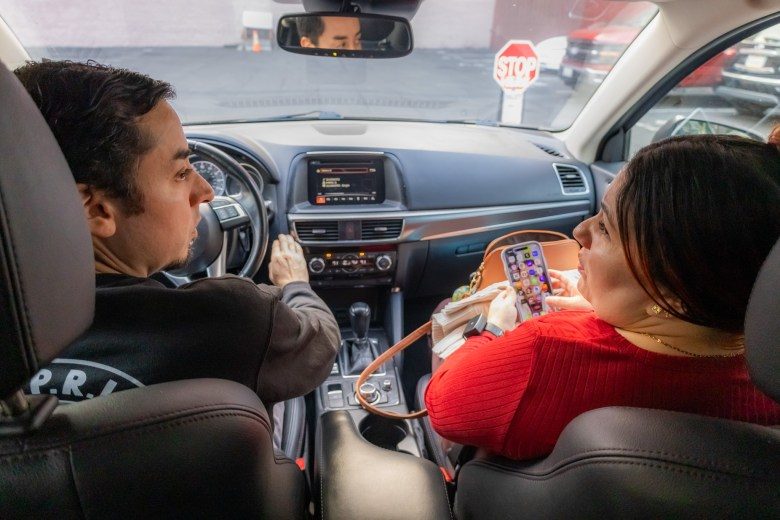
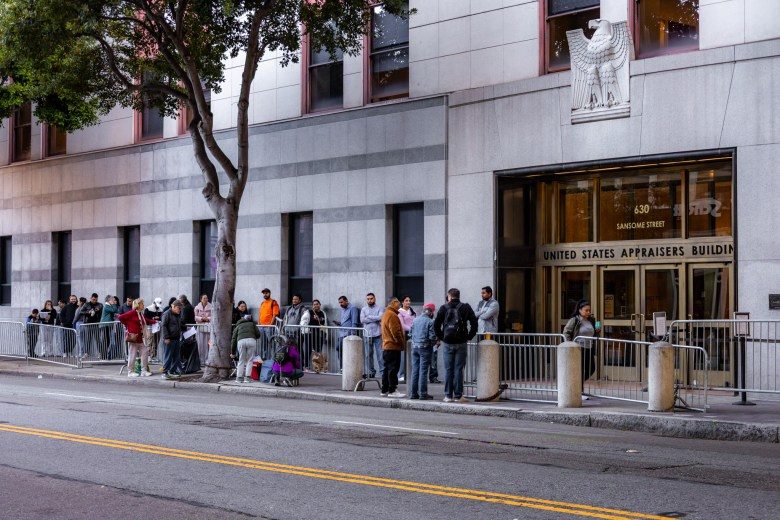
On a recent Thursday, Carolina woke to the beeps of the wrist monitor the federal government makes her wear. A social worker from her son's elementary school drove her to two immigration check-ins in downtown San Francisco, waited outside, and texted her through each one.

She is one of 137 students and families accompanied by San Francisco school staff since January. Educators in 20 schools have been trained to walk families through Immigration and Customs Enforcement (ICE) appointments, a collaboration between the school district, a nonprofit, and the teachers' union. The program appears to be the only one of its kind in the country.

Why it matters

For immigrant families, missing one ICE appointment can mean a deportation order. School staff now bridge that gap.

Monday: what changed in San Francisco, CA

One short email a week with the openings, closings, permits and council votes we covered. Free. Unsubscribe in one click.

Questions about this story

Free account needed to ask — your question is kept and asked for you right after sign-up. Answers are public.

No questions yet — be the first to ask.

Key Indicators

137
Students and families accompanied since January
Since the program began in January 2026, 137 students and families have been accompanied to immigration appointments.
20
Schools participating
Educators in 20 San Francisco schools have been trained to accompany families to immigration appointments.
0
Arrests during accompaniments
No immigrants have been arrested during an educator accompaniment so far.
500+
Arrests at routine SF appointments
More than 500 people were arrested at routine immigration appointments in San Francisco in the first nine months of the second Trump administration, per Mission Local analysis.

Voices

Curated perspectives — historical figures and your fellow readers.

Ever wondered what historical figures would say about today's headlines?

Sign up to generate historical perspectives on this story.

People Involved

Organizations Involved

Timeline

2000s October 2026

5 events Latest: Today
Tap a bar to jump to that date
  1. Mission Local publishes report on program

    Today Media

    Report details the program, which has accompanied 137 students and families with zero arrests.

  2. Carolina's check-in

    Program in action

    Social worker Ernesto Rodriguez accompanies Carolina to two ICE check-ins in downtown San Francisco.

  3. Educator accompaniment program begins

    Program launch

    SFUSD, Faith in Action, and the teachers' union train educators in 20 schools to accompany families to immigration appointments.

  4. Second Trump administration begins

    Political

    Immigration enforcement intensifies; more than 500 people arrested at routine SF appointments in first nine months.

  5. Faith in Action Bay Area forms

    Organizing

    Teachers and parents, including many Spanish-speaking immigrants, form the community organizing nonprofit.

Scenarios

1

Educator Accompaniment Model Spreads to Other Districts

Possible Resolves by Q2 2027

Discussed by: Mission Local, San Francisco Public Press

The program's track record (137 accompaniments, zero arrests) could make it a template for other districts with large immigrant populations. California has positioned itself as a sanctuary state, and several districts have significant numbers of immigrant families. The model requires a willing district, a nonprofit partner, and a union to cover substitute costs.

2

First Arrest During an Accompaniment

Possible Resolves by Q2 2027

Discussed by: Mission Local, San Francisco Public Press

The program has had zero arrests in 137 accompaniments, but volunteers say at least one immigrant is arrested at the Sansome Street building most days. An arrest during an educator accompaniment would test the program's training protocols, which include calling the Rapid Response Hotline to find a lawyer for a habeas petition.

3

Program Scales Back Due to Budget Cuts

Possible Resolves by Q2 2027

Discussed by: San Francisco Public Press

SFUSD has faced funding cuts, including the May 2026 closing of the Mission Education Center, the district's only elementary school for newly arrived Spanish-speaking immigrants. The accompaniment program could face similar pressures if the district's budget tightens further.

Historical Context

3 moments from history that rhyme with this story — and how they unfolded.

1982-1985

1980s Sanctuary Movement (1982-1985)

Religious congregations across the US declared themselves sanctuaries for Central American refugees fleeing civil wars in El Salvador and Guatemala, despite the federal government denying most asylum claims. Over 400 congregations participated, providing shelter and legal support.

Then

The movement sheltered thousands of refugees. Several activists were prosecuted, including the 'Sanctuary 8' in Arizona.

Now

The movement helped shift public opinion on Central American asylum and established a template for institutional resistance to immigration enforcement.

Why this matters now

Like the sanctuary movement, the SF program uses institutional structures (schools rather than churches) to protect immigrants from federal enforcement.

2017-2019

2017-2019 Rapid Response Networks

After the 2016 election, community organizations in cities across the US set up 24-hour hotlines and accompaniment programs for immigrants facing ICE encounters. Volunteers would rush to homes and workplaces where ICE was present.

Then

The networks provided legal support and reduced the number of immigrants detained without counsel. They became a standard feature of immigrant communities in major cities.

Now

The model spread nationally and became institutionalized in many cities, with some receiving government funding.

Why this matters now

The SF educator program builds on the rapid response model but goes further by embedding accompaniment within a school district's regular operations.

2016-2017

Sanctuary Campus Movement (2016-2017)

After the 2016 election, students and faculty at colleges across the US demanded that their institutions declare themselves 'sanctuary campuses' that would refuse to cooperate with ICE. Over 100 campuses held protests or passed resolutions.

Then

Most colleges stopped short of formal sanctuary declarations, but many adopted policies limiting ICE access to campuses and protecting undocumented students.

Now

The movement raised awareness of undocumented students' vulnerability and led to lasting protections at many institutions.

Why this matters now

The SF program extends the sanctuary campus concept to K-12 schools, moving from passive protection (not cooperating with ICE) to active support (accompanying families to appointments).

Sources

(4)