


Pull to refresh
Logo
SFPD deploys AI video analysis tool used by Israeli authorities in East Jerusalem

SFPD deploys AI video analysis tool used by Israeli authorities in East Jerusalem

New Capabilities San Francisco, CA local

The $198,000 platform tracks people by biometrics in the Real Time Crime Center

Today: SF Standard reveals SFPD's BriefCam deployment

Overview

Updated 1 hour ago

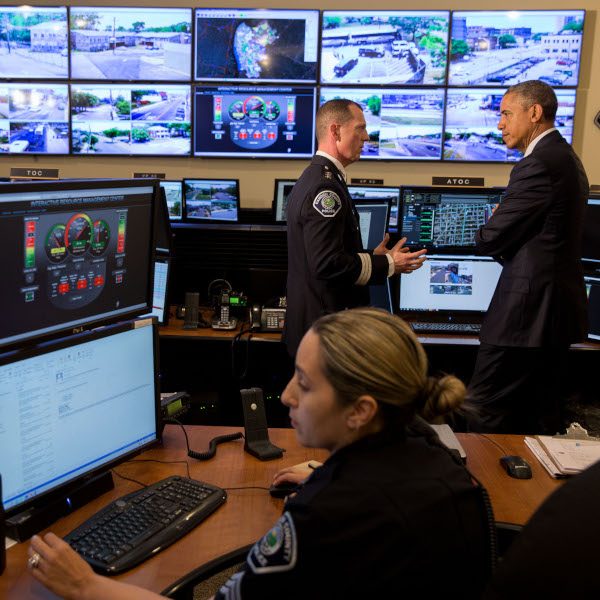
The San Francisco Police Department has deployed BriefCam, an AI video analysis platform developed by Israeli researchers. Israeli authorities used the same tool to monitor Palestinians in East Jerusalem. The $198,000, three-year contract, funded by federal grants, supports the department's Real Time Crime Center.

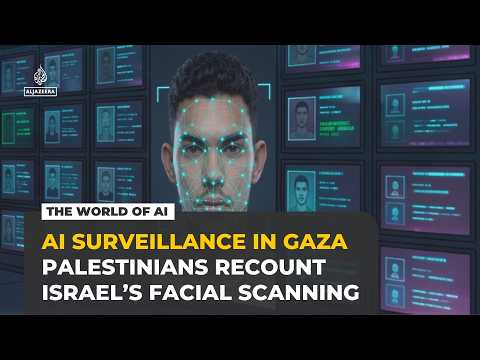
BriefCam can review thousands of hours of footage, track people by physical attributes, and flag individuals for alerts. San Francisco banned facial recognition in 2019, and the SFPD says that capability is disabled in its version. Privacy advocates say the tool's biometric tracking is just as invasive.

Why it matters

BriefCam may let SFPD track people without triggering San Francisco's landmark facial recognition ban.

San Francisco, CA news by email

Openings, permits and council decisions in San Francisco, CA, in your inbox every Monday.

Questions about this story

Free account needed to ask — your question is kept and asked for you right after sign-up. Answers are public.

No questions yet — be the first to ask.

Key Indicators

$198,000
BriefCam contract value
Three-year contract funded by federal grants for the Real Time Crime Center.
3 years
Contract duration
BriefCam contract runs through 2029.
~500
Flock cameras accessible to SFPD
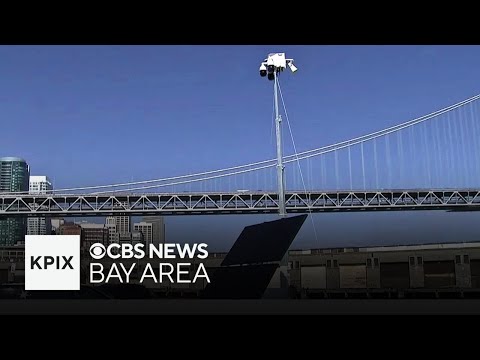
SFPD can analyze footage from nearly 500 Flock license plate cameras using BriefCam.

Voices

Curated perspectives — historical figures and your fellow readers.

Ever wondered what historical figures would say about today's headlines?

Sign up to generate historical perspectives on this story.

People Involved

Organizations Involved

Timeline

July 2019 October 2026

5 events Latest: Today
Tap a bar to jump to that date
  1. SF Standard reveals SFPD's BriefCam deployment

    Today Report

    Report details $198,000 contract for AI video analysis platform used by Israeli authorities.

  2. SFPD begins using BriefCam

    Deployment

    Department deploys AI video analysis platform in Real Time Crime Center.

  3. Prop E expands police surveillance powers

    Policy

    Voters approve measure removing drones from oversight and expanding surveillance technology access.

  4. SFPD monitors BLM protesters with private cameras

    Incident

    Police access Union Square Business Improvement District cameras during racial justice protests.

  5. San Francisco bans facial recognition

    Policy

    Surveillance Technology Ordinance takes effect, banning facial recognition with limited exceptions.

Scenarios

1

Board of Supervisors approves BriefCam 19B policy with restrictions

Likely Resolves by Q2 2027

Discussed by: EFF and privacy advocates have called for restrictions; the Board of Supervisors oversees 19B policies

The 19B ordinance requires SFPD to get Board approval for surveillance technologies. The Board could approve a policy with restrictions on BriefCam use, such as limiting it to vehicle crimes or requiring data retention limits. This would formalize the deployment with guardrails.

2

SFPD BriefCam use faces legal challenge

Possible Resolves by End of 2027

Discussed by: EFF has a history of suing SFPD over surveillance; the 2020 BLM protest lawsuit is ongoing

Privacy groups could sue, arguing BriefCam's biometric tracking violates the facial recognition ban. A court would need to decide whether BriefCam's capabilities constitute facial recognition under the 2019 ordinance.

3

SFPD expands BriefCam use beyond vehicle crimes

Possible Resolves by End of 2027

Discussed by: SFPD has a pattern of expanding surveillance use cases; the drone program expanded from specific incidents to patrol

SFPD could expand BriefCam from vehicle crimes to other use cases, such as crowd monitoring or general investigations. This would likely trigger more criticism and oversight from the Board of Supervisors and privacy groups.

Historical Context

3 moments from history that rhyme with this story — and how they unfolded.

May 2019

San Francisco bans facial recognition (2019)

San Francisco became the first US city to ban facial recognition, passing the Surveillance Technology Ordinance. The law required city departments to get Board of Supervisors approval for surveillance technologies.

Then

Set a national precedent; Oakland and Boston followed.

Now

SFPD has found workarounds, including using private cameras and now BriefCam.

Why this matters now

BriefCam's biometric tracking may circumvent the ban, testing whether the law's definition of facial recognition covers the technology.

April 2013

Boston Marathon bombing investigation (2013)

FBI used BriefCam to analyze surveillance video from the Boston Marathon bombing. The tool helped identify the Tsarnaev brothers within days.

Then

Bombers caught; one killed, one captured.

Now

BriefCam became widely used by law enforcement agencies.

Why this matters now

Shows the security benefit of BriefCam, which SFPD cites as justification for the tool.

May-June 2020

SFPD's BLM protest surveillance (2020)

SFPD accessed Union Square Business Improvement District cameras to monitor Black Lives Matter protesters. Privacy groups sued, claiming the department violated the 2019 ordinance.

Then

Lawsuit filed; ongoing litigation.

Now

Raised questions about SFPD's compliance with surveillance oversight.

Why this matters now

Shows SFPD's pattern of pushing surveillance boundaries despite the city's restrictions.

Sources

(4)