Anchor

Study finds sugar substitute sorbitol converts to fructose in the liver
New CapabilitiesWashington University research in zebrafish ties the conversion to gut bacteria and raises questions about sugar-free diets
Yesterday: Findings reach wide audiencesNew here? Follow stories to track developments over time. Create a free account to get updates when stories you care about change.
Overview
Updated 1 hour agoSorbitol, a sugar alcohol in sugar-free gum, candy, and low-calorie foods, may convert into fructose once it reaches the liver. Researchers at Washington University in St. Louis traced the pathway in zebrafish and found gut bacteria decide whether the compound stays harmless or becomes a liver threat.
The work challenges the assumption that sugar-free products are metabolically neutral, especially for people with diabetes who rely on them. It also suggests a person's gut microbiome shapes how the liver processes what they eat.
Why it matters
Daily sorbitol consumers may be getting a fructose-like liver effect from sugar-free products, with gut bacteria determining who's at risk.
Questions about this story
Free account needed to ask — your question is kept and asked for you right after sign-up. Answers are public.
No questions yet — be the first to ask.
Key Indicators
1
Metabolic steps separating sorbitol from fructose
Sorbitol sits one transformation away from fructose in the liver pathway, giving it similar metabolic effects.
25%
Estimated share of U.S. adults with fatty liver disease
Context for the stakes; the condition is tied to fructose-heavy diets and often goes undiagnosed.
2
Routes by which sorbitol load can overwhelm gut bacteria
Excess glucose intake or excess dietary sorbitol can both exceed the microbiome's clearing capacity.
Related Media
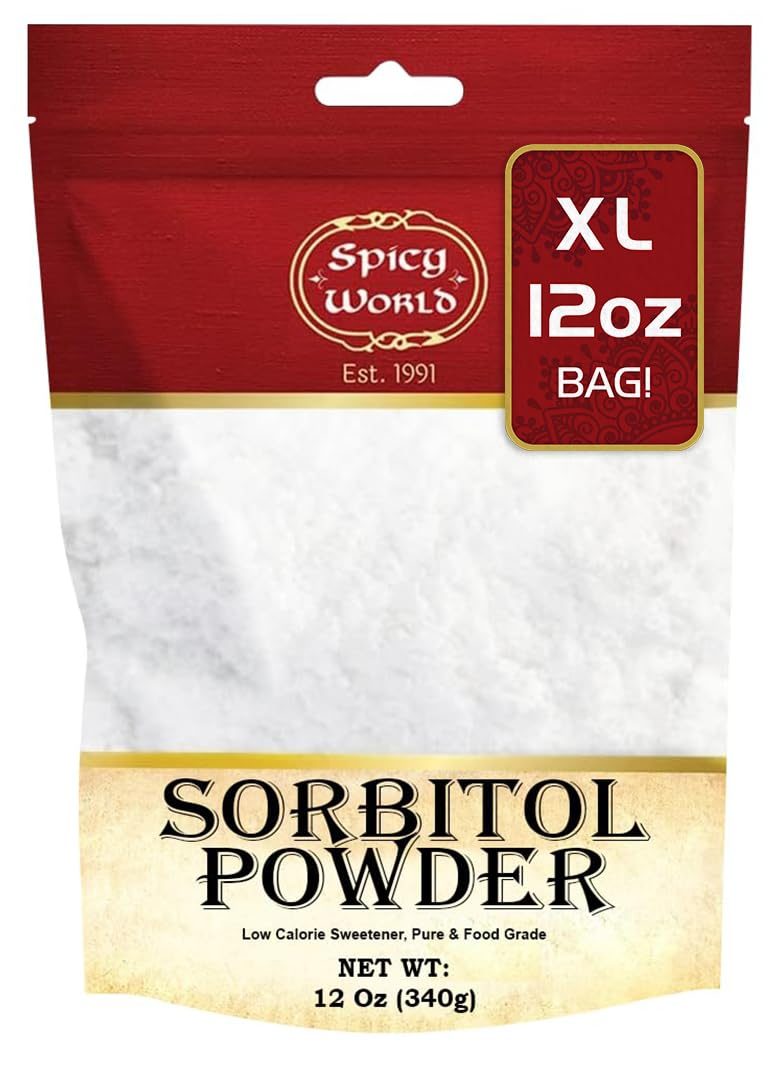
Amazon.com : Sorbitol Powder 12oz Bag (340g) - Pure Ingredient, Low Calorie Sweetener, Food Grade, Sugar Substitute, Thickening Agent - Packaged in USA by Spicy World : Everything Else
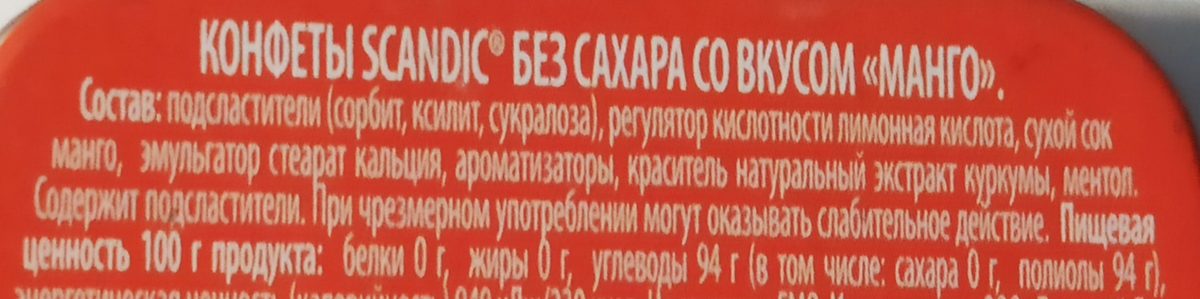
Ingredients and sugar substitute warning on sugar-free candy label
389 views
2:46
Study finds sugar-free sweeteners could negatively impact liver ...
Medical Dialogues
38.1K views
10:54
One Sugar creates a Unique Liver Harm, New Study
Physionic
3.6K views
10:32
The Hidden Way Your Body Makes FRUCTOSE
Dr. Tony Hampton - The Metabolic Health Doc
Images from Openverse under Creative Commons licenses. Videos from YouTube.
Voices
Curated perspectives — historical figures and your fellow readers.
Play
Exploring all sides of a story is often best achieved with Play.
Most of these play right now — no account needed. Sign up to save scores, keep a streak, and unlock Debate and Predict.
Log in
Sign Up
Higher or Lower
A number from this story, against one from elsewhere in the news — guess which is bigger, then keep the chain going. 5 rounds, 3 strikes; a miss costs a strike and resets your streak.
Example
Anchor
EU tariff revenue
$52B
Big for this kind of number
Mystery
Pentagon AI contract
?
Round 1
Streak: 0
Mystery
?
Keyboard: ↓/L lower · ↑/H higher
0 pts
Best streak: 0 · Rounds: 0
0 points — sign up to put that on the leaderboard.
Now try on this story
Connections
Sixteen names from the news. Find the four hidden groups of four. Four mistakes max.
Loading today's puzzle…
0/4 groups
Mistakes
Sign up to keep a daily streak — a new puzzle lands every day.
Now try on this story
Exit debate?
Your progress in this debate will be lost.
How it works
- 1 Two AI personas square off on this story.
- 2 You predict who'll win each round — correct picks earn XP.
- 3 One crossfire question is yours to fire. Pick it carefully.
Couldn't generate a topic
Select Your Champions
Choose one persona for each side of the debate
DEBATE TOPIC
Choose personas with different perspectives for a more dynamic debate.
SIDE A (PRO)
Select debater for this side:
No debate personas available right now.
SIDE B (CON)
Select debater for this side:
No debate personas available right now.
VS
Get ready to make your prediction...
Round of
Claim
Evidence
Stakes
Crossfire Answer
Closing Statement
Claim
Evidence
Stakes
Crossfire Answer
Closing Statement
Your Crossfire Question
Generating arguments...
Who's Got This Round?
Make your prediction before the referee scores
The referee scores both sides on
Correct predictions earn +20 XP
· Press 1 or 2 to pick
Evidence
40%
Logic
30%
Detail
20%
Style
10%
Round Results
Your Pick
Not this time
(%)
Overall Score
/10
Your Pick
Not this time
(%)
Overall Score
/10
Set the Crossfire
Pick the question both personas must answer in the final round
Crafting crossfire questions...
Choosing a question earns +10 XP crossfire bonus
🏆
Total XP Earned
Cred Change
Predictions
Debate Oracle! You called every round!
Sharp Instincts! You know your debaters!
The Coin Flip Strategist! Perfectly balanced!
The Contrarian! Bold predictions!
Inverse Genius! Try betting the opposite next time!
XP Breakdown
Base completion
+20 XP
Rounds played ( rounds x 5 XP)
+ XP
Correct predictions ( correct x 20 XP)
+ XP
Crossfire bonus
+10 XP
Accuracy
%
Prediction History
Round
You picked:
✓
✗
Now try on this story
Keep debating to level up your credibility and unlock achievements
People Involved
Organizations Involved
Washington University School of Medicine
Research university
Home of the research team that conducted the sorbitol study
Private research university whose Patti Lab traced sorbitol's conversion into fructose in the liver.
Science Signaling
Peer-reviewed scientific journal
Published the sorbitol study
Peer-reviewed journal published by the American Association for the Advancement of Science that carried the sorbitol research.
Timeline
November 2025 September 2026
4 events
Latest: Yesterday
Tap a bar to jump to that date
-
Findings reach wide audiences
Latest MediaScienceDaily, MSNBC TV News, and other outlets amplify the sorbitol-liver findings to consumers.
-
Sorbitol study published in Science Signaling
PublicationPeer-reviewed study traces sorbitol metabolism in zebrafish and its conversion to liver fructose.
-
Coverage flags liver risk for sorbitol-heavy diets
MediaNews reports warn heavy users of sugar-free foods may face liver risk, diabetics especially.
-
Early findings on sorbitol and the liver surface
ResearchInitial reporting describes sorbitol converting to fructose in the liver, with gut bacteria deciding.
Historical Context
3 moments from history that rhyme with this story — and how they unfolded.
1970s–2000
The saccharin controversy (1970s–2000)
Saccharin, an artificial sweetener in diet sodas, was flagged as a carcinogen in 1970s rat studies. Congress ordered warning labels on products containing it.
Then
Decades of further research failed to confirm the risk in humans, and the warning label requirement was dropped in 2000.
Now
The episode showed how animal studies can drive public fear and labeling before human evidence settles the question.
Why this matters now
Today's sorbitol findings face the same challenge: zebrafish data suggest a mechanism that needs human confirmation before changing labels or diets.
2003–2018
Trans fat phase-out (2003–2018)
Partially hydrogenated oils were marketed as a healthier alternative to saturated fat. Studies in the 1990s linked them to heart disease.
Then
The Food and Drug Administration banned trans fats in 2018 after food companies reformulated products through the 2000s.
Now
The reversal showed how a widely used food additive can move from healthy reputation to banned substance within two decades.
Why this matters now
Sugar substitutes like sorbitol could follow a similar arc if human evidence strengthens the liver link.
2000s–2010s
Fructose and fatty liver research (2000s–2010s)
Researchers including Robert Lustig argued that fructose, unlike glucose, drives fat buildup in the liver. Consumption of high-fructose corn syrup in soft drinks had risen steeply through the 1980s and 1990s.
Then
The work tied fructose-heavy diets to non-alcoholic fatty liver disease and shifted public debate about sugary drinks.
Now
Fructose research remains contested but reshaped how the public and regulators view added sugars.
Why this matters now
Sorbitol is one metabolic step from fructose, so the same liver pathway that drew scrutiny of soft drinks now applies to certain sugar-free products.