

Pull to refresh
Logo
Second Circuit allows warrantless cellphone searches at the border

Second Circuit allows warrantless cellphone searches at the border

Rule Changes

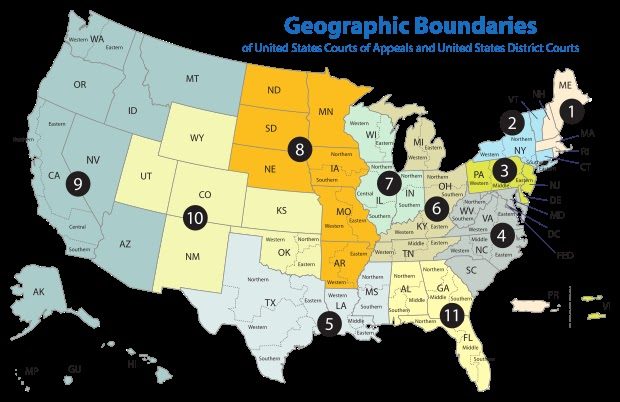
Ruling in United States v. Alisigwe covers New York, Connecticut, and Vermont

Today: Second Circuit allows warrantless border phone searches

Overview

Updated 1 hour ago

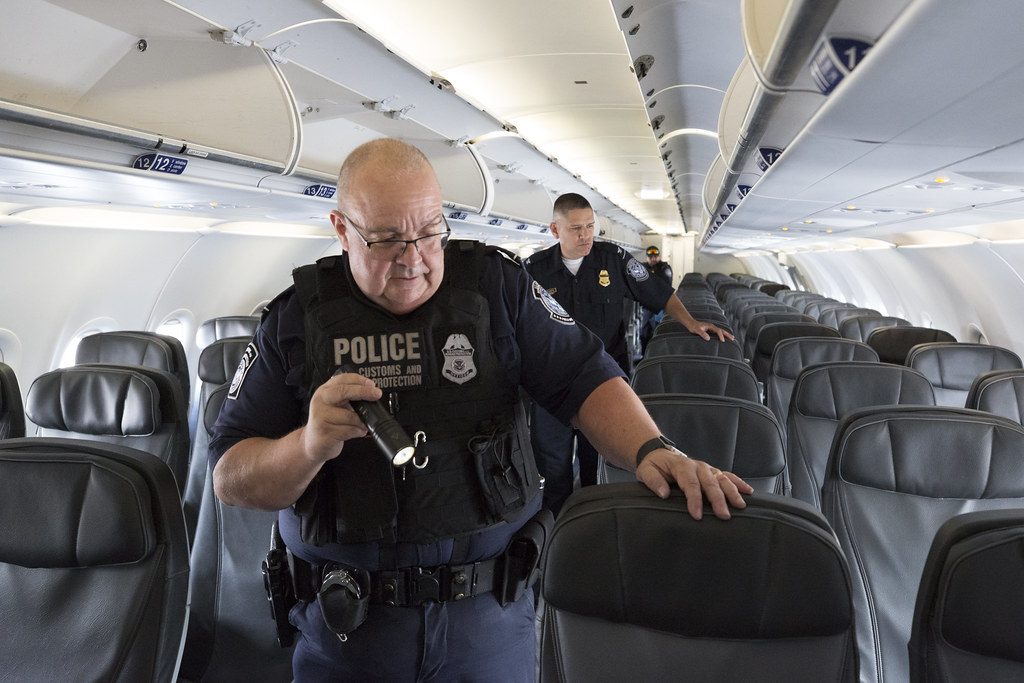
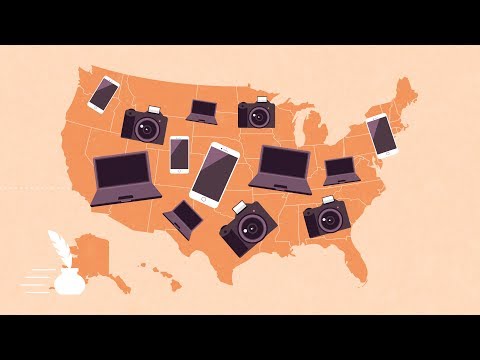
Travelers flying into airports in New York, Connecticut, and Vermont can now have their cellphones searched at the border with no warrant and no suspicion. The Second Circuit ruled September 18 that the Fourth Amendment's border search exception covers manual phone inspections at ports of entry.

The decision in United States v. Alisigwe upholds a fraud conviction built on evidence from two warrantless phone searches at John F. Kennedy International Airport. It deepens a split with the Ninth Circuit, which requires reasonable suspicion for forensic device searches. Judge Eunice Lee agreed no warrant is needed but argued suspicion should be required.

Why it matters

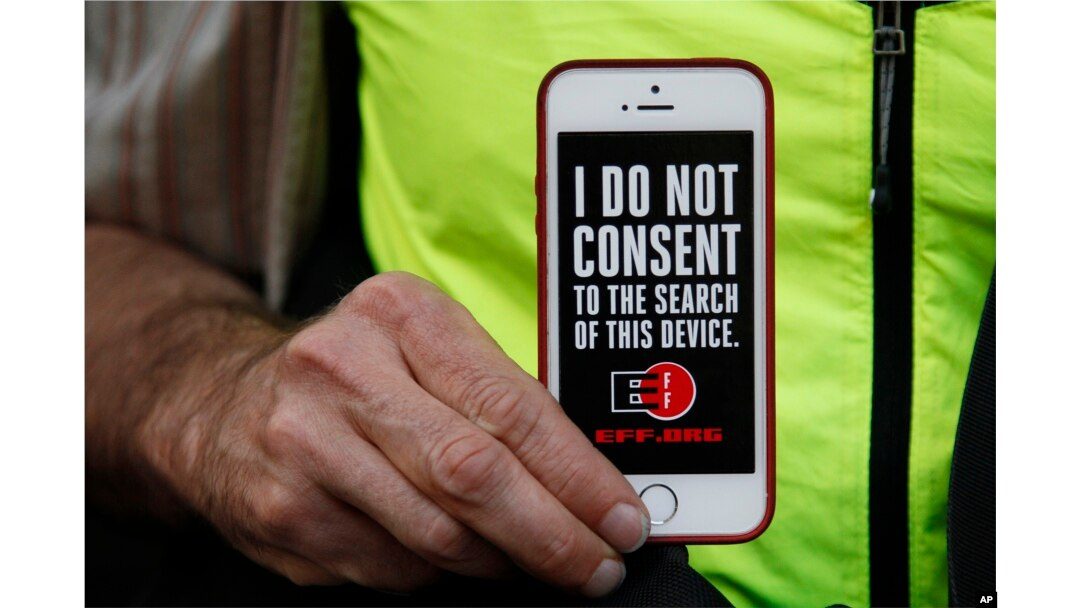
Travelers in New York, Connecticut, and Vermont can have phone messages, photos, and location history reviewed at the border with no suspicion required.

Questions about this story

Free account needed to ask — your question is kept and asked for you right after sign-up. Answers are public.

No questions yet — be the first to ask.

Key Indicators

55,318
Electronic device searches in fiscal year 2025
Out of 419 million travelers processed at U.S. ports of entry by Customs and Border Protection.
0.01%
Share of arriving international travelers with devices searched
CBP reports less than 0.01% of arriving international travelers had a device searched in FY 2025.
92%
Searches that were basic, manual inspections
Only 8% of device searches in FY 2025 involved forensic techniques or external equipment.

Voices

Curated perspectives — historical figures and your fellow readers.

Ever wondered what historical figures would say about today's headlines?

Sign up to generate historical perspectives on this story.

People Involved

Organizations Involved

Timeline

November 2023 September 2026

2 events Latest: Today

Scenarios

1

Supreme Court agrees to decide border phone search case

Possible Resolves by Q2 2027

Discussed by: Legal analysts at Reason, the Volokh Conspiracy, and civil liberties groups noting the circuit split

The ruling deepens a split with the Ninth Circuit, which requires reasonable suspicion for forensic device searches in United States v. Cotterman. If the Supreme Court grants certiorari in Alisigwe or a related case, the October 2026 term would decide whether the border search exception covers modern cellphones. The government, under the Trump administration, would likely defend the Second Circuit's standard.

2

Congress passes law restricting border device searches

Unlikely Resolves by Jan 3, 2027

Discussed by: Privacy advocates and legislators who have proposed limits on CBP's device search authority in prior sessions

A ruling that allows suspicion-free phone searches could galvanize support for legislation requiring a warrant or at least reasonable suspicion. Previous bills, including proposals to protect journalists and attorneys at the border, have stalled in prior sessions. The 119th Congress ends in January 2027, giving limited time for movement.

3

Second Circuit standard stands; legal fight shifts to other fronts

Likely Resolves by Q2 2027

Discussed by: Court watchers expecting the ruling to hold; litigation continues over forensic searches

If neither the Supreme Court nor Congress acts, the Second Circuit's standard remains in force in its three states. The ruling explicitly left open whether advanced forensic extractions of phones require a warrant or suspicion. Privacy litigation may shift to that question, which CBP's own policy currently addresses with a reasonable suspicion requirement.

Historical Context

3 moments from history that rhyme with this story — and how they unfolded.

July 1985

United States v. Montoya de Hernandez (1985)

The Supreme Court upheld the prolonged detention and search of a traveler suspected of smuggling drugs in her alimentary canal. The Court reaffirmed that the government has broad authority to search people and property crossing the border without a warrant.

Then

Confirmed the border as a place where Fourth Amendment protections are weakest.

Now

Became the foundational case for the border search exception that the Second Circuit applied to cellphones in Alisigwe.

Why this matters now

The government's core argument is that a cellphone is property crossing the border, placing it under Montoya's rule.

September 2013

United States v. Cotterman (9th Cir. 2013)

The Ninth Circuit held that forensic examination of a laptop at the border requires reasonable suspicion. Howard Cotterman was convicted of child pornography possession after investigators found images on a laptop seized at a crossing from Mexico.

Then

Created a circuit split by requiring suspicion for deeper forensic searches while allowing basic inspections.

Now

The Supreme Court declined to review it, leaving the Ninth Circuit's standard in place for Alaska, Arizona, California, Hawaii, Idaho, Montana, Nevada, Oregon, and Washington.

Why this matters now

Alisigwe deepens the split: the Second Circuit requires no suspicion even for manual searches, while the Ninth Circuit requires it for forensic ones.

June 2014

Riley v. California (2014)

The Supreme Court ruled unanimously that police need a warrant to search a cellphone found on someone they arrest. Chief Justice John Roberts wrote that modern phones hold 'the privacies of life' and are not like physical objects police can search incident to arrest.

Then

Police departments across the country rewrote their search procedures for devices seized during arrests.

Now

Established that cellphones receive heightened Fourth Amendment protection because of the volume and sensitivity of the data they carry.

Why this matters now

Alisigwe tests whether that protection survives at the border, where the border search exception historically allows searches without suspicion.

Sources

(10)