


Pull to refresh
Logo
Shanghai Futures Exchange removes fixed 20% price-limit cap in extreme markets

Shanghai Futures Exchange removes fixed 20% price-limit cap in extreme markets

Rule Changes

Revised risk-control rules give the exchange authority to widen daily limits beyond 20% during continuous one-sided markets

June 22nd, 2026: Consolidated rules text published

Overview

Updated 1 hour ago

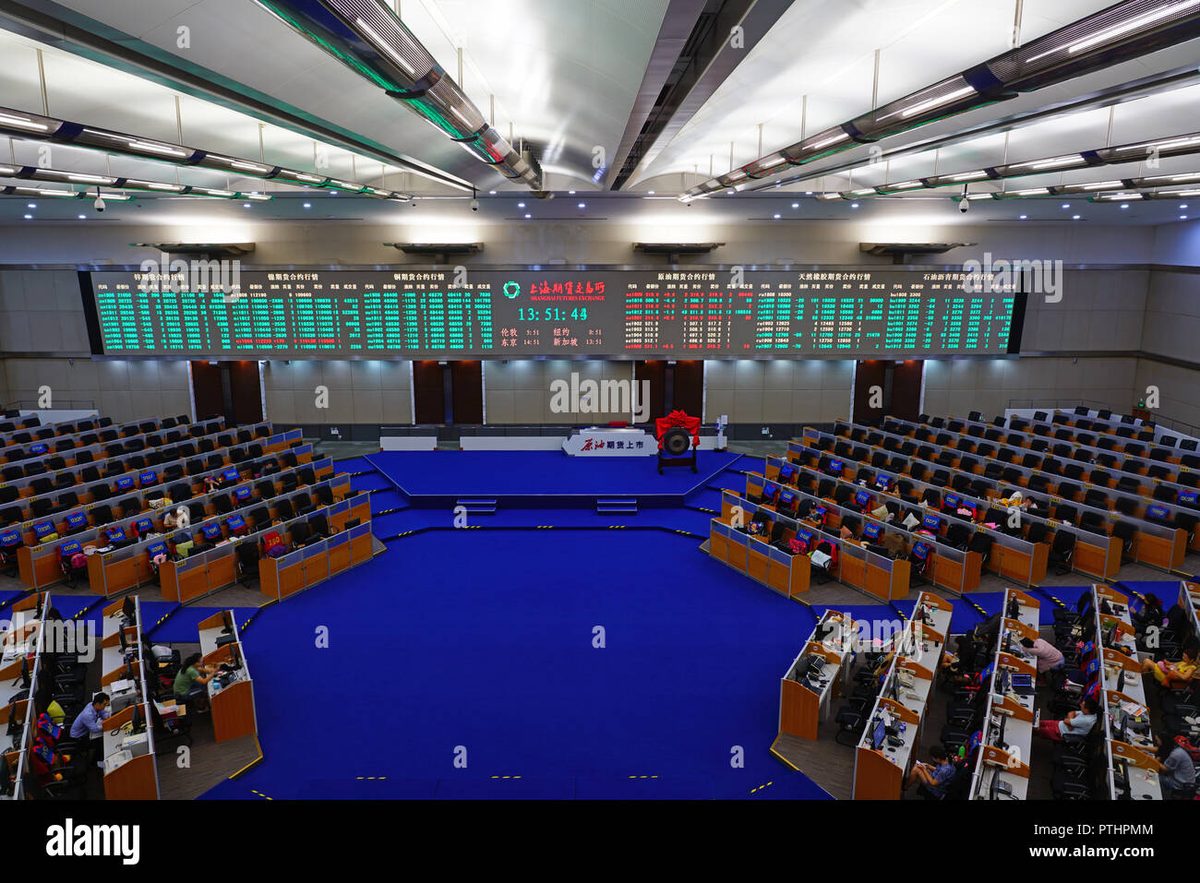
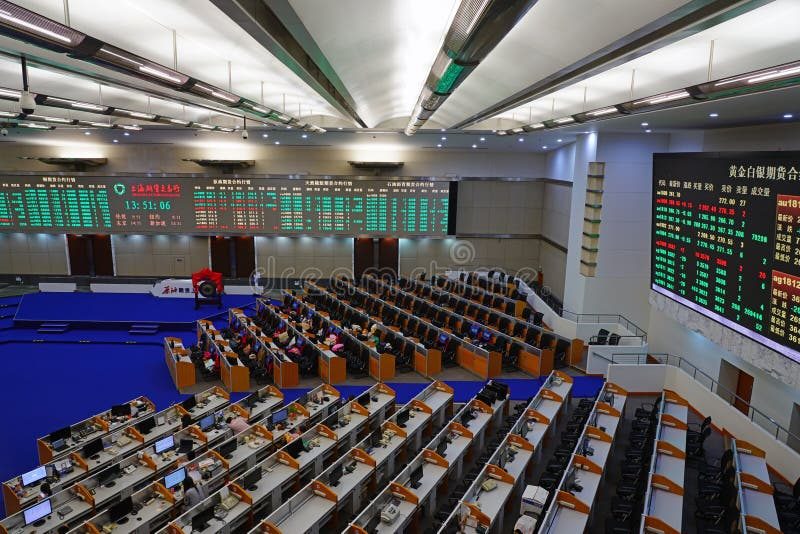
A futures contract that locks at its daily price limit for three straight sessions can freeze trading, hiding the level where buyers and sellers would actually meet. As of May 28, 2026, the Shanghai Futures Exchange can push the daily limit beyond its old fixed 20% ceiling in exactly that situation.

The revision drops the hard 20% cap that applied during continuous one-sided markets, sessions where a contract trades only at its limit in one direction. Standard daily limits stay in place; the exchange simply gains discretion to widen them further when it judges risk has changed.

Analysts at Chinese futures houses mostly welcomed the change as a release valve: wider bands let panicked positions clear and reduce the magnet effect that drags prices toward a fixed limit. The trade-off is that a single day can now absorb losses that once spread over several sessions, hitting leveraged traders with faster margin calls.

Why it matters

If a contract locks at its limit for days, the exchange can now widen the band and force prices to clear, accelerating margin calls and losses for leveraged traders.

Questions about this story

Free account needed to ask — your question is kept and asked for you right after sign-up. Answers are public.

No questions yet — be the first to ask.

Key Indicators

20%
Fixed price-limit cap removed in extreme markets
The old hard ceiling on limit expansions during continuous one-sided markets; no fixed cap replaces it.
3
Limit-band widening on the first day after a one-sided market
The next trading day's limit band grows by 3 percentage points above the prior normal level, per the revised rules.
3
Major changes in the risk-control revision
Removing the 20% fixed cap, unifying the expansion baseline for reverse one-sided markets, and re-linking abnormal-situation declarations to forced position reduction.

Voices

Curated perspectives — historical figures and your fellow readers.

Ever wondered what historical figures would say about today's headlines?

Sign up to generate historical perspectives on this story.

People Involved

Organizations Involved

Timeline

May 2026 June 2026

5 events Latest: June 22nd, 2026 · 3 months ago
Tap a bar to jump to that date
  1. Consolidated rules text published

    Latest Rule Change

    SHFE publishes the full revised Risk Management Rules, effective July 6, 2026, formalizing the price-limit and margin provisions.

  2. Exchange says no further tools planned

    Statement

    National Business Daily reports SHFE says it cannot predict market behavior, confirms the policy applies to all investors, and indicates no circuit-breaker or CME-style measures are set.

  3. 20% price-limit cap removed

    Rule Change

    Revised rules take effect; the fixed 20% ceiling on limit expansions during continuous one-sided markets is removed, and the exchange gains authority to widen bands further.

  4. Futures houses weigh in on the change

    Analysis

    CITIC, GF, Everbright and Xingzheng analysts publish daily notes, broadly supportive but flagging trader risk and suggesting pilots on copper and gold.

  5. SHFE adopts revised risk-control rules

    Rule Change

    The exchange's board adopts the new Risk Management Rules and reports them to CSRC, setting a May 28 effective date.

Scenarios

1

SHFE widens a contract's limit beyond 20% during a panic

Possible Resolves by May 28, 2027

Discussed by: Analysts at GF Futures and Xingzheng Futures, who described the tool as a release valve for stalled markets

A global shock hits a metals or energy contract and one-sided trading locks in. The exchange exercises its new authority, publishing a notice that widens the limit band past the old 20% ceiling to let trapped orders clear. This is the rule's stated purpose, so it depends mainly on whether a genuine stress event occurs.

2

No extreme market hits; the new authority sits unused

Possible Resolves by May 28, 2027

Discussed by: SHFE's own admission that it cannot predict market behavior, plus the fact that the tool only activates under extreme conditions

Commodity prices stay within normal ranges and daily limit bands remain at historical levels. The new discretion is never exercised, leaving the revision as a dormant contingency. This scenario requires an extended stretch without a continuous one-sided market in any SHFE contract.

3

SHFE rolls out circuit breakers or CME-style dynamic limits

Unlikely Resolves by May 28, 2027

Discussed by: GF Futures, which suggested piloting on copper and gold; reporters who asked the exchange directly about CME-style measures

Pressure from a stress event or international alignment pushes SHFE to add another layer of risk control: dynamic limit schedules that expand automatically, or a circuit breaker. The exchange explicitly said no such measures are currently planned, so this scenario requires new pressure to change that stance.

Historical Context

2 moments from history that rhyme with this story — and how they unfolded.

April 2020

WTI crude settles negative (April 2020)

On April 20, 2020, the May West Texas Intermediate contract settled at -$37.63 a barrel as storage filled faster than expected. Holders of long positions paid buyers to take physical delivery, the first negative price in futures history.

Then

Long traders took massive losses, and exchanges and fund managers spent months tightening how they handle extreme moves.

Now

It became a standing case study in why rigid price mechanisms can hide a true clearing price during violent shocks.

Why this matters now

Everbright Futures analysts explicitly cited the 2020 negative-oil episode when explaining the SHFE revision's logic: letting prices clear rather than lock at a fixed band.

Ongoing practice

CME's expanding price limits for metals and energy

The Chicago Mercantile Exchange uses price fluctuation limits that widen in set increments when hit within a trading window, rather than a single fixed cap. A first limit triggers a wider band, and repeated limits widen it further.

Then

The design reduces lockups where limit-bound traders pile into a stalling market.

Now

It became the international reference for flexible price-band management in metals and energy.

Why this matters now

CITIC Futures called the SHFE change an important step toward international alignment, and reporters asked whether SHFE would adopt CME-style dynamic limits or circuit breakers next.

Sources

(6)