
Pull to refresh
Logo
Space Force's classified sensing constellation grows with USSF-432 launch

Space Force's classified sensing constellation grows with USSF-432 launch

New Capabilities

The fourth 'R' mission in a series that tracking suggests has placed 23 satellites per launch, thought to be built on SpaceX's Starshield bus

Overview

Updated 52 minutes ago

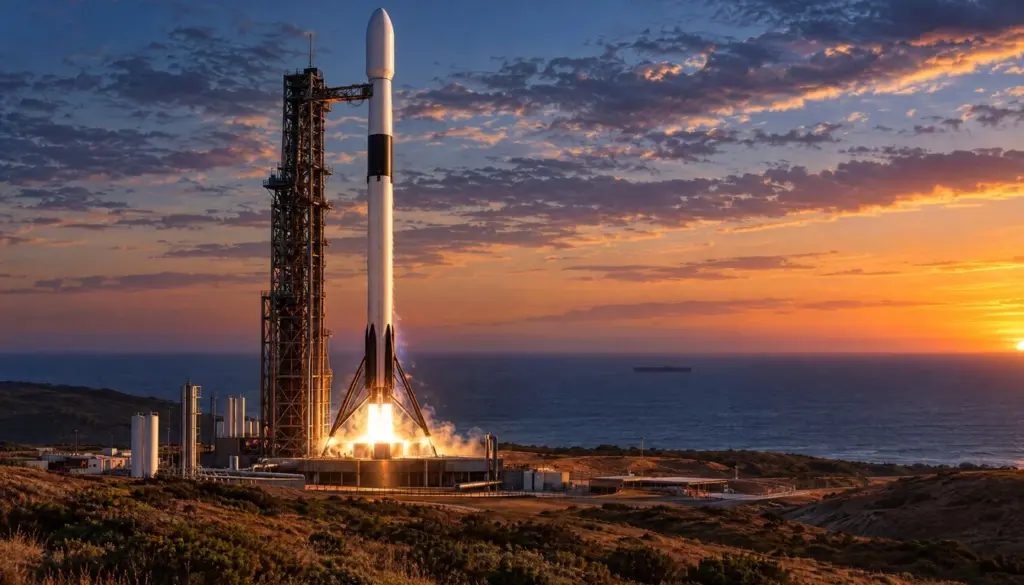
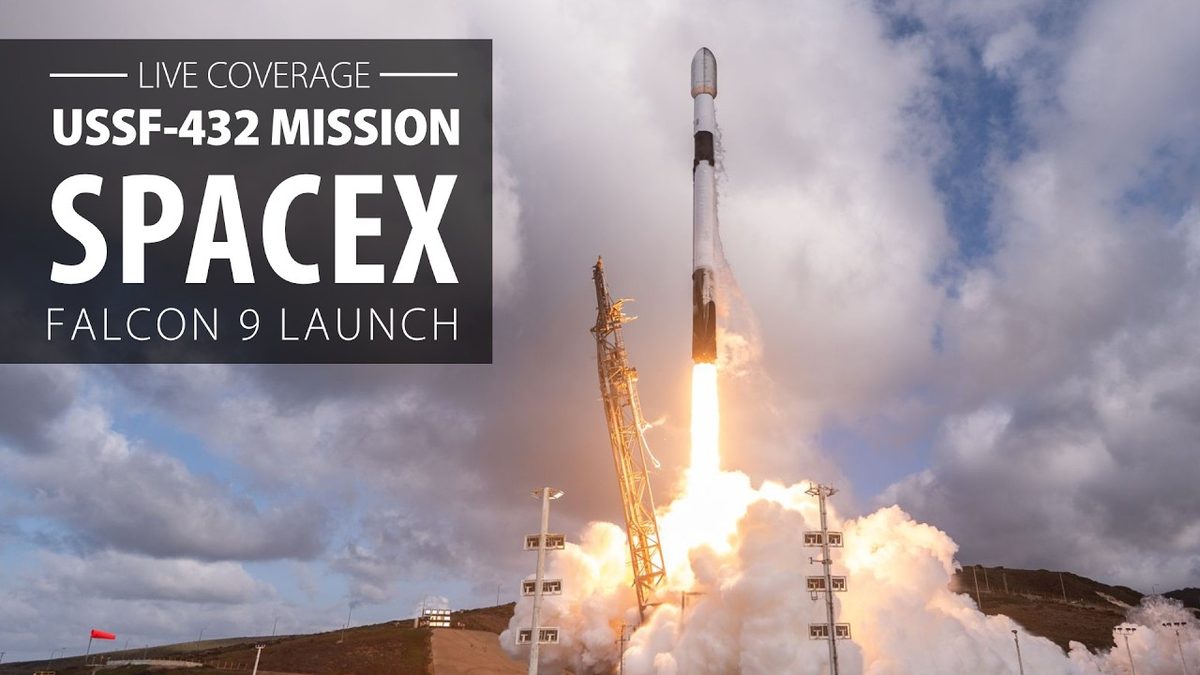
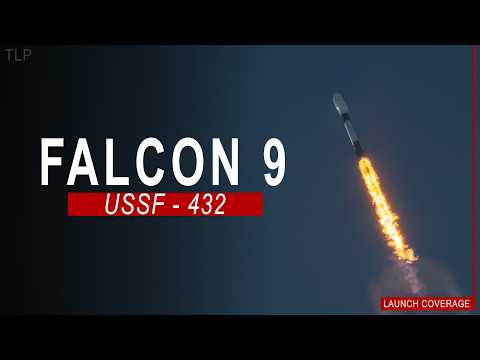
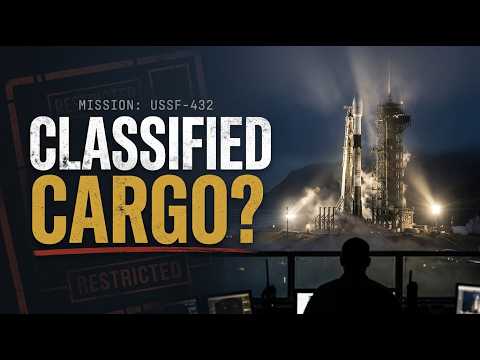
A Falcon 9 lifted off from California's central coast on the evening of Nov. 6 carrying a payload the Pentagon will not describe. It was the fourth launch in a classified series that outside tracking says has placed 23 satellites in orbit each time.

If that tracking is right, the Space Force is assembling a constellation of small satellites for sensing and targeting. That is a different approach from the handful of large, expensive spacecraft the U.S. has relied on. A distributed network can cover more of the planet and does not depend on a few large satellites.

Why it matters

The Pentagon is replacing a few large spy satellites with many small ones, a shift that changes how much of the planet it can watch.

Questions about this story

Free account needed to ask — your question is kept and asked for you right after sign-up. Answers are public.

No questions yet — be the first to ask.

Key Indicators

23
Satellites per R-series launch
Orbital catalog entries show 23 objects released on each prior R mission.
4
R-series launches to date
USSF-366, USSF-153, USSF-385 and USSF-432, from August to November 2026.
119
Falcon 9 launches in 2026
USSF-432 was the 119th Falcon 9 flight of the year and the 14th national-security flight.
70%
Share of 2026 Falcon 9 missions flown for Starlink
Most Falcon 9 flights this year have built out SpaceX's broadband network.
8
Flights by booster B1095
The first stage previously flew GPS III-8 and six Starlink missions.

Voices

Curated perspectives — historical figures and your fellow readers.

Sign up to generate historical perspectives on this story.

People Involved

Organizations Involved

Timeline

August 2026 November 2026

5 events Latest: Today
Tap a bar to jump to that date
  1. USSF-432 launches from Vandenberg

    Today Launch

    A Falcon 9 lifts off at 00:48 UTC, the evening of Nov. 6 local time. Booster B1095 lands on a Pacific droneship.

  2. USSF-432 slips

    Delay

    Launch is pushed from Nov. 1, first by a Starlink delay, then for undisclosed reasons.

  3. Third R-series launch

    Launch

    USSF-385, or R-3, flies, keeping a roughly two-week cadence.

  4. Second R-series launch

    Launch

    USSF-153, or R-2, follows, again placing a batch of satellites in low Earth orbit.

  5. First 'R' mission launches

    Launch

    USSF-366, later designated R-1, lifts off with what tracking suggests are 23 satellites.

Scenarios

1

More R-series launches follow through 2027

Likely Resolves by End of 2027

Discussed by: Spaceflight Now and NextSpaceflight, which track the series

The R-series has flown roughly every few weeks since August 2026. If the cadence holds, the Space Force keeps adding batches of 23 satellites, and the constellation grows toward operational scale.

2

Space Force publicly confirms an operational SBST constellation

Possible Resolves by End of 2027

Discussed by: Outside analysts, including Jonathan McDowell

The Space Force has declined to describe the missions. A public statement naming the Space Based Sensing and Targeting program and declaring it operational would confirm what tracking already suggests.

3

The R-series pauses or is curtailed

Unlikely Resolves by End of 2027

Discussed by: No public source predicts this; it is the downside case

A funding cut, a technical failure, or a policy change could halt the series. The program is classified, so a pause might show up only as an absence of launches.

Historical Context

3 moments from history that rhyme with this story — and how they unfolded.

2021–2024

NRO's proliferated spy constellation (2021–2024)

The National Reconnaissance Office, which runs U.S. spy satellites, contracted SpaceX to build a network of small imaging satellites based on Starshield. The agency began launching the constellation in 2024, moving away from a small number of large, expensive spacecraft.

Then

The first batches reached orbit in 2024, with the NRO describing a shift to a proliferated architecture.

Now

The model established SpaceX as a builder of classified constellations, not just a launch provider.

Why this matters now

USSF-432 follows the same pattern: a military customer, a Starshield bus, and a batch of satellites per launch.

2019–2025

Space Development Agency tranches (2019–2025)

The Pentagon created the Space Development Agency in 2019 to build a mesh of hundreds of small satellites for missile tracking and data relay. Its first demonstration satellites launched in 2023, with operational tranches following.

Then

Tranche 0 flew in 2023; later tranches added missile-tracking and communications satellites.

Now

The agency normalized buying satellites in bulk rather than one at a time.

Why this matters now

SBST sits in the same push to field many small sensing satellites instead of a few large ones.

January 2007

China's anti-satellite test (2007)

China destroyed its own defunct Fengyun-1C weather satellite with a ground-launched missile, creating thousands of trackable debris fragments. The test showed that a single hit could take out a large satellite.

Then

The debris field threatened other spacecraft and drew international criticism.

Now

Military planners accelerated work on distributed constellations that could absorb the loss of individual satellites.

Why this matters now

The resilience argument is central to why the Space Force is buying many small satellites rather than a few large ones.

Sources

(8)