
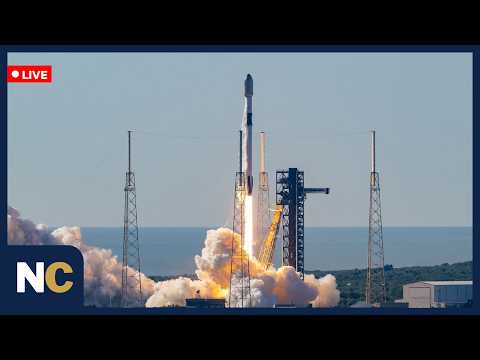

SpaceX splits its launch coasts: Starlink west, Starship east
Built WorldVandenberg hits 50 launches in 2026 as Florida shifts toward Starship and the Moon
Yesterday: 50th West Coast launch of 2026New here? Follow stories to track developments over time. Create a free account to get updates when stories you care about change.
Overview
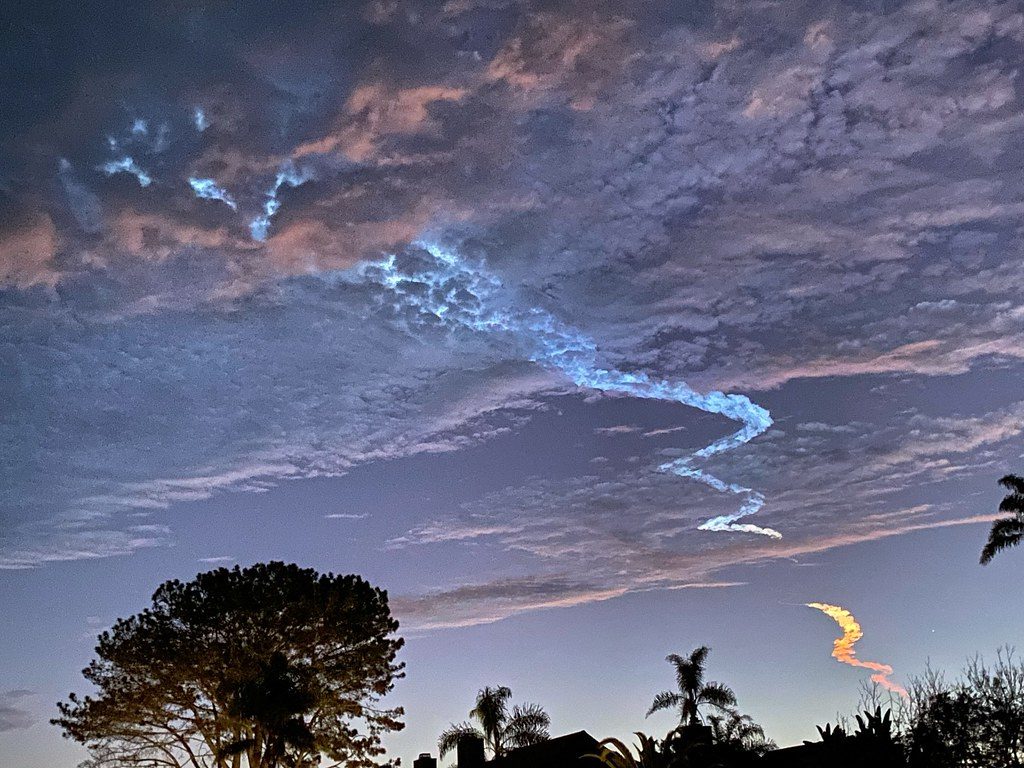
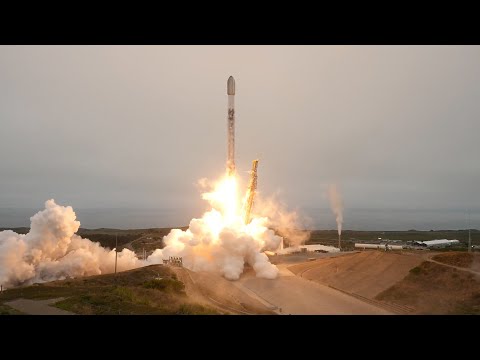
SpaceX launched its 50th rocket of 2026 from the U.S. West Coast on Friday, sending 24 Starlink internet satellites up from Vandenberg Space Force Base in California. It hit that number with nearly five months left in the year.
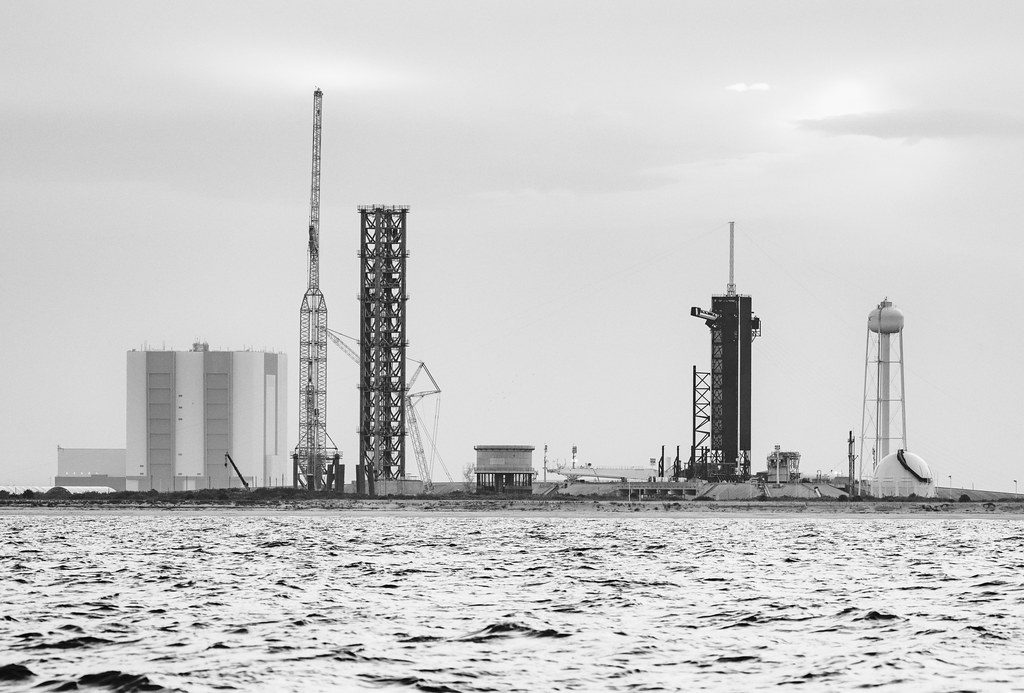
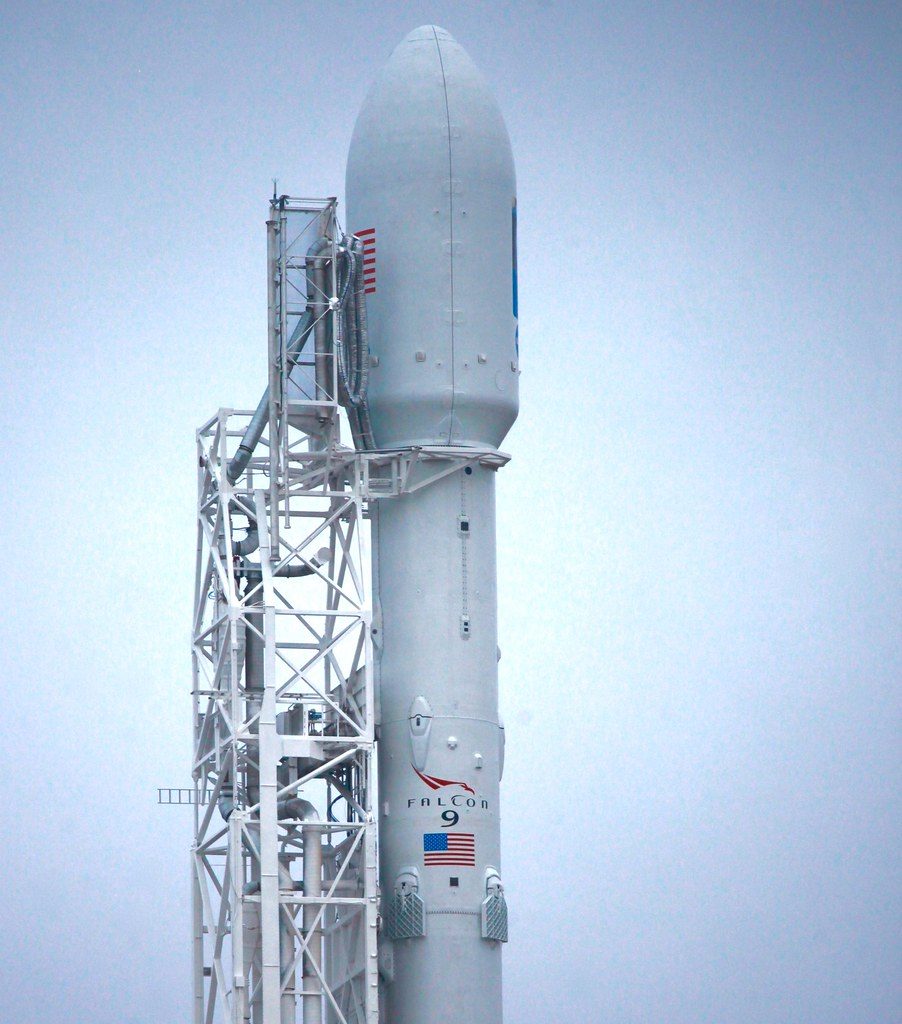
The pace shows a split in how SpaceX runs its two coasts. California now handles the steady stream of Starlink launches on Falcon 9. Florida is being freed up for the much larger Starship, the rocket NASA needs for its Artemis Moon missions.
Why it matters
SpaceX now launches roughly every three days, cutting the cost of putting internet, cargo, and crew into orbit for everyone who buys a ride.
Questions about this story
No questions yet — be the first to ask.
Key Indicators
Voices
Curated perspectives — historical figures and your fellow readers.
Play
Exploring all sides of a story is often best achieved with Play.
Higher or Lower
A number from this story, against one from elsewhere in the news — guess which is bigger, then keep the chain going. 5 rounds, 3 strikes; a miss costs a strike and resets your streak.
Keyboard: ↓/L lower · ↑/H higher
0 points — sign up to put that on the leaderboard.
Connections
Sixteen names from the news. Find the four hidden groups of four. Four mistakes max.
Sign up to keep a daily streak — a new puzzle lands every day.
Exit debate?
Your progress in this debate will be lost.
- 1 Two AI personas square off on this story.
- 2 You predict who'll win each round — correct picks earn XP.
- 3 One crossfire question is yours to fire. Pick it carefully.
Couldn't generate a topic
Select Your Champions
Choose one persona for each side of the debate
DEBATE TOPIC
Choose personas with different perspectives for a more dynamic debate.
Select debater for this side:
No debate personas available right now.
Select debater for this side:
No debate personas available right now.
Who's Got This Round?
Make your prediction before the referee scores
The referee scores both sides on
Round Results
Set the Crossfire
Pick the question both personas must answer in the final round
Debate Oracle! You called every round!
Sharp Instincts! You know your debaters!
The Coin Flip Strategist! Perfectly balanced!
The Contrarian! Bold predictions!
Inverse Genius! Try betting the opposite next time!
XP Breakdown
Prediction History
People Involved
Organizations Involved
The company launching most of the world's payloads to orbit, now flying Falcon 9 roughly every three days.
The U.S. agency whose Artemis program will use a version of SpaceX's Starship to land astronauts on the Moon.
Timeline
April 2026 August 2026
-
50th West Coast launch of 2026
Latest MilestoneThe Starlink 17-38 mission from Vandenberg deployed 24 satellites; booster B1093 landed on a Pacific droneship for a 16th flight.
-
Booster sets 36-flight reuse record
RecordFalcon 9 first stage B1067 flew a record 36th time from Florida, three flights behind Space Shuttle Discovery's 39.
-
50th dedicated Starlink mission of 2026
MilestoneThe Starlink 17-41 mission added 24 more broadband satellites, showing how much of the cadence Starlink drives.
-
SpaceX passes 50 Falcon 9 launches for the year
MilestoneA Vandenberg mission carrying 25 Starlink satellites marked the company's 50th Falcon 9 flight of 2026.
Historical Context
3 moments from history that rhyme with this story — and how they unfolded.
Space Shuttle peak cadence and Challenger (1985–1986)
NASA flew nine Space Shuttle missions in 1985, its busiest year, and marketed the shuttle as a routine, reusable ride to orbit. In January 1986, Challenger broke apart 73 seconds after liftoff, killing all seven aboard and grounding the fleet for nearly three years.
Shuttle flights stopped while NASA redesigned hardware and safety reviews.
The promised airline-like cadence never returned; the shuttle stayed costly and slow to turn around.
It shows how fast a high launch rate can stall after one failure, the main risk to SpaceX's 2026 pace.
Space Shuttle Discovery's reuse record (1984–2011)
Discovery flew 39 missions over 27 years, the most of any orbiter, carrying satellites, the Hubble telescope, and station crews. Each flight still needed months of refurbishment between launches.
Discovery became NASA's most-flown vehicle before retiring in 2011.
Its 39-flight mark stood as the reuse benchmark that Falcon 9 boosters are now closing on.
SpaceX's fleet leader is three flights away from that record, with turnaround measured in weeks, not months.
SpaceX breaks the global annual launch record (2023)
SpaceX flew 96 Falcon-family missions in 2023, made up of 91 Falcon 9 and five Falcon Heavy flights. That beat the previous single-nation annual record of 64 launches.
SpaceX became the source of most payloads reaching orbit that year.
The 2023 jump set up the even higher pace seen in 2026, driven by reused boosters.
The 2026 coast split is the next step in the same climb, spreading the workload across pads to push cadence higher.
