





United States COPPA (1998)
The United States passed the Children's Online Privacy Protection Act in 1998, effective April 2000. The law required parental consent before websites could collect personal information from children under 13, effectively creating the age-13 minimum that most social platforms still use today—not because 13-year-olds are ready for social media, but because platforms didn't want the compliance burden of younger users.
Websites implemented simple age gates asking users to confirm they were 13 or older, which children easily bypassed by lying.
The age-13 standard became a global default, but the law failed to prevent children's widespread social media use. By 2025, the Federal Trade Commission was pursuing COPPA 2.0 to extend protections to teenagers.
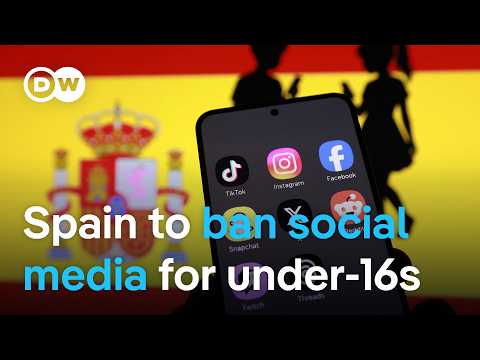
Spain and Australia's age-16 bans represent the first serious attempt to move beyond COPPA's ineffective consent-based model to outright prohibition with platform liability.