

Pull to refresh
Logo
Strabag consortium to build Warsaw's 170-meter Roma Tower

Strabag consortium to build Warsaw's 170-meter Roma Tower

Built World

A roughly €200 million construction contract converts a long-stalled central office site into Poland's first Fitwel-certified luxury residential tower.

Yesterday: Strabag consortium confirmed for Roma Tower construction

Overview

Updated Yesterday

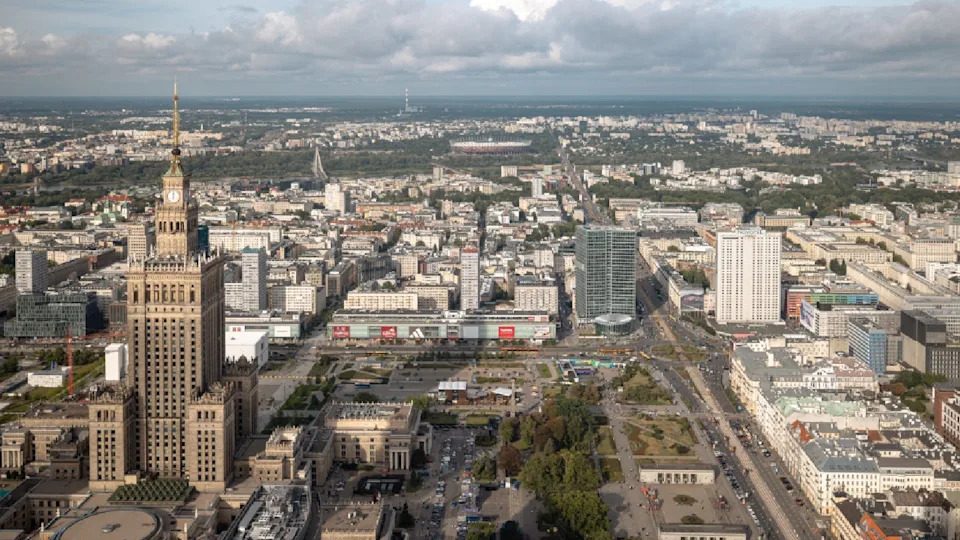
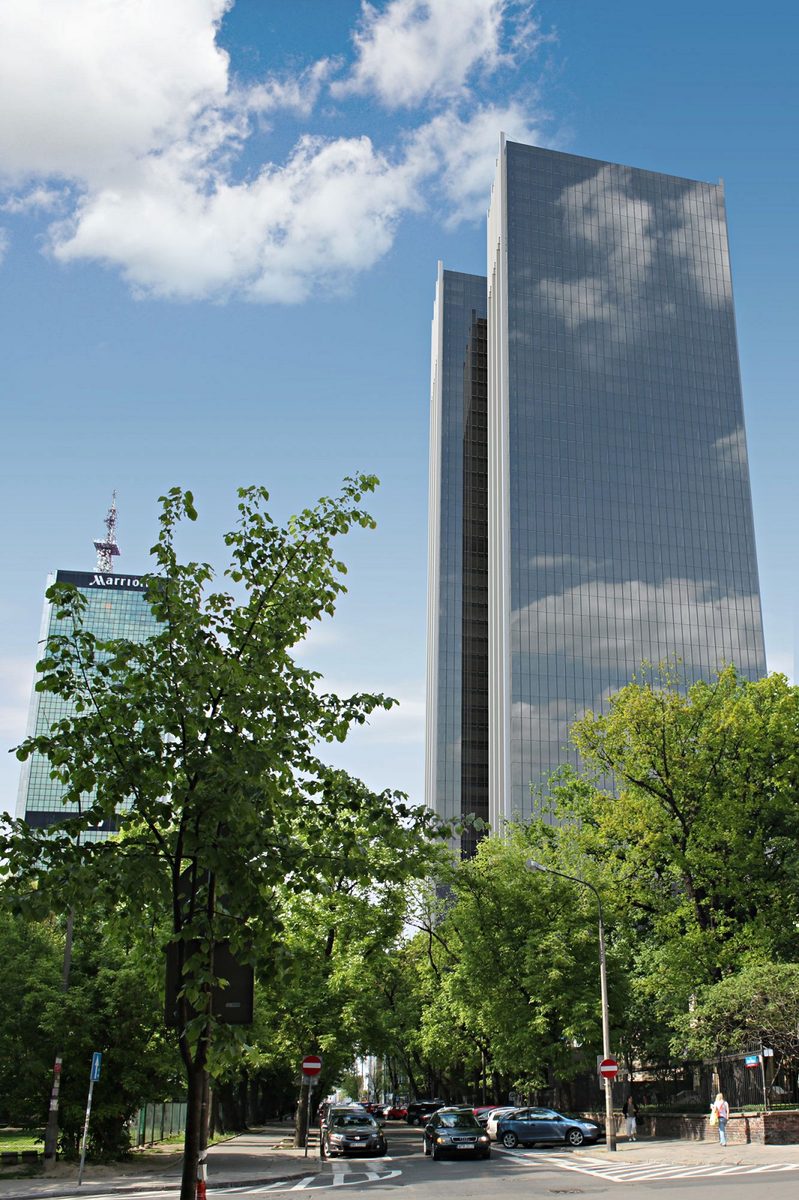
A consortium led by Austria's Strabag has won the contract to build Roma Tower, a 170-meter residential skyscraper in central Warsaw. The deal, worth about PLN 840 million net (roughly €200 million), covers 357 luxury apartments in a 48-story tower at the corner of Nowogrodzka and Emilia Plater streets.

The project replaces an office concept that developer BBI Development had held on the site since 2011. Construction began this month and is expected to run 50 months, with apartment sales planned for 2027.

Roma Tower is the first residential development in Poland to receive Fitwel certification, a standard for occupant health and well-being, and it is also targeting BREEAM environmental certification. Czech investment group AKIPIA joined as lead investor when the contract was signed, putting the total project value at about €820 million.

Why it matters

A prime central Warsaw site held as an office project since 2011 is rising as a luxury residential tower, backed by Czech capital.

Questions about this story

Free account needed to ask — your question is kept and asked for you right after sign-up. Answers are public.

No questions yet — be the first to ask.

Key Indicators

€200M
Construction contract value
Net general-contractor contract for the building and site works; the total project value is about €820 million.
357
Luxury apartments
Across 48 above-ground floors and six underground levels.
170 m
Building height
Makes Roma Tower roughly 38 meters taller than Strabag's other Warsaw high-rise, Upper One.
50 months
Planned construction period
From the October 2026 site handover to completion, around late 2030 or early 2031.

Voices

Curated perspectives — historical figures and your fellow readers.

Ever wondered what historical figures would say about today's headlines?

Sign up to generate historical perspectives on this story.

People Involved

Organizations Involved

Timeline

2011 October 2026

5 events Latest: Yesterday
Tap a bar to jump to that date
  1. Strabag consortium confirmed for Roma Tower construction

    Latest Announcement

    The Strabag-led consortium and client group publicly confirm the roughly €200 million contract for the 170-meter residential tower.

  2. Strabag and TKT Engineering sign the construction contract

    Contract

    The consortium signs a PLN 840 million net contract; Czech group AKIPIA joins the project as lead investor.

  3. Construction begins on Roma Tower

    Construction

    Work starts on the 170-meter tower in central Warsaw, with a planned 50-month schedule.

  4. Roma Tower gains its final building permit

    Regulatory

    The project receives its final building permit after the concept is repositioned from offices to a luxury residential tower.

  5. BBI Development begins work on the Roma Tower site

    Planning

    Developer BBI Development starts assembling the Nowogrodzka and Emilia Plater corner site for a planned office tower.

Scenarios

1

Roma Tower completes on schedule in early 2031

Likely Resolves by Q2 2031

Discussed by: The developers' and contractor's October 2026 announcement, which set a 50-month program from the October site handover.

Construction finishes within the contracted 50 months, the building receives its occupancy permit, and apartment sales proceed through 2027 and beyond. This is the baseline the client group and Strabag committed to when the contract was signed.

2

Roma Tower construction runs late

Possible Resolves by End of 2031

Discussed by: Property press tracking central-Warsaw high-rises, where large towers have a record of schedule slippage from permitting and logistics.

Design changes, financing conditions, or site problems push completion past the contracted 50 months, moving handover into late 2031 or 2032. A delay would postpone revenue from apartment sales and could trigger cost adjustments under the contract.

3

Luxury apartment sales pace shapes the project's economics

Uncertain Resolves by End of 2028

Discussed by: The AKIPIA entry agreement, which adjusts the price for BBI's sold stake up or down based on sales milestones and pace.

Sales launch in 2027 as planned. If premium units sell quickly, the project's value rises and BBI's remaining stake gains. Slow demand in the luxury segment would squeeze returns and trigger downward price adjustments under the AKIPIA deal.

Historical Context

3 moments from history that rhyme with this story — and how they unfolded.

Early 2010s

Złota 44, Warsaw's first modern ultra-luxury tower (early 2010s)

Developer Orco and architect Daniel Libeskind built Złota 44, Warsaw's first modern ultra-luxury residential skyscraper, in the city center. It was marketed at premium prices to wealthy buyers.

Then

Sales were slow in the early years as the market absorbed the high-priced units.

Now

The tower set the precedent for premium residential high-rises in Warsaw and proved such projects could eventually fill.

Why this matters now

Roma Tower's 357 luxury units face the same absorption question: Warsaw's high-end market buys tall towers, but demand builds gradually, which shapes the 2027 sales launch.

2016-2022

Varso Tower, Warsaw's tallest building (2016-2022)

Developer HB Reavis built Varso Tower to 310 meters, making it the European Union's tallest building. Construction ran from the mid-2010s to completion in 2022 and faced delays, including pandemic-era slowdowns.

Then

The tower opened roughly a year behind its original schedule.

Now

It remains the benchmark for ambitious central-Warsaw high-rise timelines.

Why this matters now

Varso's six-year build tempers expectations for Roma Tower's 50-month program, where similar permitting and logistics risks apply.

2020-present

European office-to-residential conversion wave (post-2020)

After the pandemic cut demand for central office space, developers across European capitals re-planned or converted prime office sites into housing, where values and demand were stronger.

Then

Cities from London to Warsaw saw office proposals replaced by residential schemes.

Now

Prime city-center land increasingly flows to housing rather than offices.

Why this matters now

Roma Tower is a direct example: a site held for offices since 2011 is being built as a luxury residential tower, reflecting a structural shift, not an isolated project.

Sources

(10)