
Pull to refresh
Logo
Supreme Court declines to restore immigration judges' power to pause deportation cases

Supreme Court declines to restore immigration judges' power to pause deportation cases

Rule Changes

Justices leave in place Texas–DOJ deal that voided the 2024 administrative closure rule

Today: Supreme Court denies request to restore the rule

Overview

Updated 1 hour ago

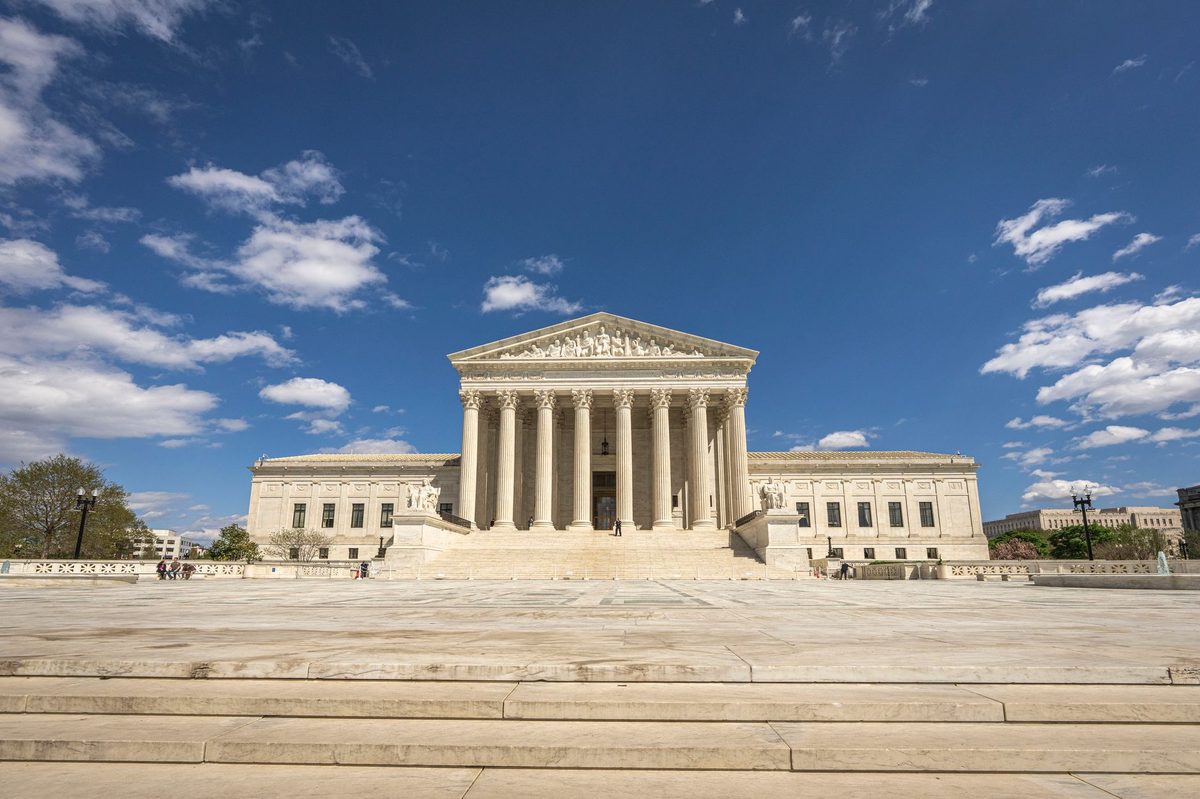
The Supreme Court on Tuesday refused to revive a 2024 regulation that let immigration judges pause deportation proceedings, leaving intact a Texas–Justice Department agreement that had already thrown the rule out. No justice noted a dissent.

The practice, called administrative closure, let judges suspend cases while migrants pursued relief such as asylum before a separate agency. Supporters call it a routine tool against a deportation docket in the millions; Texas argued it let the government avoid deciding removability. With the court's refusal, the Trump administration can now restrict the practice.

Why it matters

Immigration judges lose a key tool against a million-case backlog, and some migrants, including crime victims, lose an avenue to stay while seeking relief.

Questions about this story

Free account needed to ask — your question is kept and asked for you right after sign-up. Answers are public.

No questions yet — be the first to ask.

Key Indicators

754 days
Time the 2024 rule was in force before the consent judgment vacated it
From the rule's publication in May 2024 to the June 2026 consent judgment.
0
Dissents noted in the Supreme Court's order
The Court denied the emergency application without comment or noted dissent.
3
Cities that sought to intervene to defend the rule
Baltimore, New Haven, and Columbus joined by the legal-aid group Centro Legal de la Raza.

Voices

Curated perspectives — historical figures and your fellow readers.

Ever wondered what historical figures would say about today's headlines?

Sign up to generate historical perspectives on this story.

People Involved

Organizations Involved

Timeline

May 2024 October 2026

7 events Latest: Today
Tap a bar to jump to that date
  1. EOIR acting director declines to defend the rule

    Policy

    The Executive Office for Immigration Review issues Policy Memorandum 25-29, saying it cannot defend the rule in good faith.

  2. DOJ publishes final administrative closure rule

    Rule Change

    The Justice Department's immigration court system codifies judges' power to suspend cases under certain conditions.

Scenarios

1

EOIR publishes a narrower administrative closure rule

Likely Resolves by Oct 27, 2027

Discussed by: Legal analysts expect the Justice Department to write a replacement that stays within the limits the consent judgment imposed.

The consent judgment bars EOIR from recreating the 2024 rule but allows future regulation within the department's statutory authority. A narrower rule could tie administrative closure to pending applications for relief before agencies like U.S. Citizenship and Immigration Services, preserving some docket flexibility while answering Texas's objection that judges must reach a decision on removability. The speed of any such rulemaking is the open question.

2

Fifth Circuit lets cities challenge the consent judgment

Unlikely Resolves by Q2 2027

Discussed by: The cities and Centro Legal, whose Fifth Circuit appeal of the intervention denial is still pending.

The challengers argue the Texas–DOJ deal was collusive, filed and resolved in a single day with no adversarial testing. If the Fifth Circuit finds they have standing to intervene, they could appeal the consent judgment on the merits and potentially restore the rule. The Supreme Court's refusal does not end that appeal; it only leaves the consent judgment in effect while it proceeds. The standing hurdle is steep given the Supreme Court's recent tightening of immigration-related standing.

3

Immigration court backlog swells as closed cases return

Possible Resolves by End of 2027

Discussed by: Court observers and immigrant advocates point to the existing multimillion-case backlog as the pressure point.

Administrative closure did not end cases; judges could reopen them later. Without the authority, judges must resolve removal proceedings outright, pushing more cases toward adjudication in a system already carrying a backlog in the millions. Whether backlogs grow measurably depends on how quickly the Justice Department fills the gap with a replacement tool and how courts handle the newly recalendared cases.

Historical Context

2 moments from history that rhyme with this story — and how they unfolded.

2012

Matter of Avetisyan (2012)

The Board of Immigration Appeals ruled that immigration judges have inherent authority to administratively close cases and set a three-part test balancing whether parties agree, whether there is good cause, and whether the case is suited for closure.

Then

Judges gained a formal framework for pausing cases, which became a common docket-management tool.

Now

The practice operated for over a decade as judge-made policy before the 2024 regulation codified it — the regulation Texas had vacated.

Why this matters now

The 2012 decision shows administrative closure was an executive creation, not a statutory mandate. That is exactly why Texas argued the government lacked authority to expand it.

June 2023

United States v. Texas (2023)

The Supreme Court ruled 8-1 that Texas and Louisiana lacked standing to challenge the Biden administration's immigration enforcement priorities, holding their claimed injuries were too speculative.

Then

The administration's enforcement guidelines stood.

Now

The decision tightened standing doctrine for challenges to federal immigration discretion, making it harder for states and localities to sue.

Why this matters now

Judge O'Connor's denial of the cities' intervention relied on the same logic: claimed tax losses from possible deportations were too attenuated a chain to support standing.

Sources

(7)